Cabin Life in the Great Smoky Mountains
Reviewed against our editorial policy and sources.
Cades Cove, the Walker Sisters, and the Appalachian families who lived where the park now stands.
From our reporting
The scent of woodsmoke and damp earth in Cades Cove still lingers from our recent 2024 visit, offering a tangible connection to the history we
Key Takeaways
- Cades Cove preserves the cultural landscape and structures of early European settlements in the Great Smoky Mountains National Park.
- The Walker Sisters are iconic figures representing the independent spirit and self-sufficiency of Appalachian families in the region.
- Appalachian families in the Great Smoky Mountains developed unique adaptations to mountain life, including specific farming techniques, crafts, and community structures.
- The establishment of the Great Smoky Mountains National Park involved complex negotiations and displacement of residents, a critical aspect of its history.
- The National Park Service plays a vital role in interpreting and preserving the stories and physical remnants of early settlers in the Great Smoky Mountains.
Imagine air so crisp it carries the scent of pine and damp earth, filtering through towering hemlocks and ancient oaks. Picture sunlight dappling onto a patchwork quilt of green, where mist still hugs the valley floor as the morning awakens. This is the enduring spirit of the Great Smoky Mountains, a landscape not only breathtaking in its natural beauty but rich with the echoes of lives lived, sustained, and deeply rooted in its very soil.
Cades Cove: A Window to the Past
Your journey into the heart of Appalachian history truly begins in Cades Cove, a lush valley encircled by majestic peaks within the Great Smoky Mountains National Park. This eleven-mile scenic loop road offers more than just stunning vistas; it’s a living museum, preserving log cabins, barns, and churches that tell the story of early European settlement. As you drive or cycle this tranquil route, you’re not merely observing relics; you’re stepping into the daily rhythms of resourceful pioneers who carved a life out of this rugged frontier.
The story of Cades Cove began in the early 19th century when John and Lucretia Oliver became the first permanent European settlers, followed by other families seeking fertile land and a fresh start. By the mid-1800s, the valley was a thriving community, home to hundreds of residents who farmed, milled grain, and worshipped together. Each structure you encounter, from the humble John Oliver Cabin – the oldest remaining log structure in the cove – to the meticulously preserved cantilever barn, whispers tales of ingenuity and perseverance. Take your time; pull over at the designated stops, walk where they walked, and let the quietude transport you.
The Walker Sisters: Guardians of a Hard-Won Life
Perhaps no story embodies the spirit of self-reliance in the Smokies more poignantly than that of the Walker Sisters. Living deep within Little Brier Gap, a remote hollow, these five sisters – Polly, Lucy, Margaret, Louisa, and Caroline – chose to remain on their ancestral land even after the establishment of the national park in the 1930s. Their perseverance, rooted in a deep love for their home and a firm commitment to their way of life, became a legend.
For decades, the sisters maintained their traditional Appalachian lifestyle, farming their land, spinning wool, weaving cloth, and crafting all they needed with their own hands. They famously refused modern conveniences, preferring the rhythms of nature and the independence it afforded them. Their cabin, a modest but sturdy structure, still stands as a testament to their incredible resilience. Visiting the site requires a gentle hike, offering you time for reflection on their remarkable story, a story of quiet defiance and profound connection to place.
A Daily Glimpse: Appalachian Ingenuity
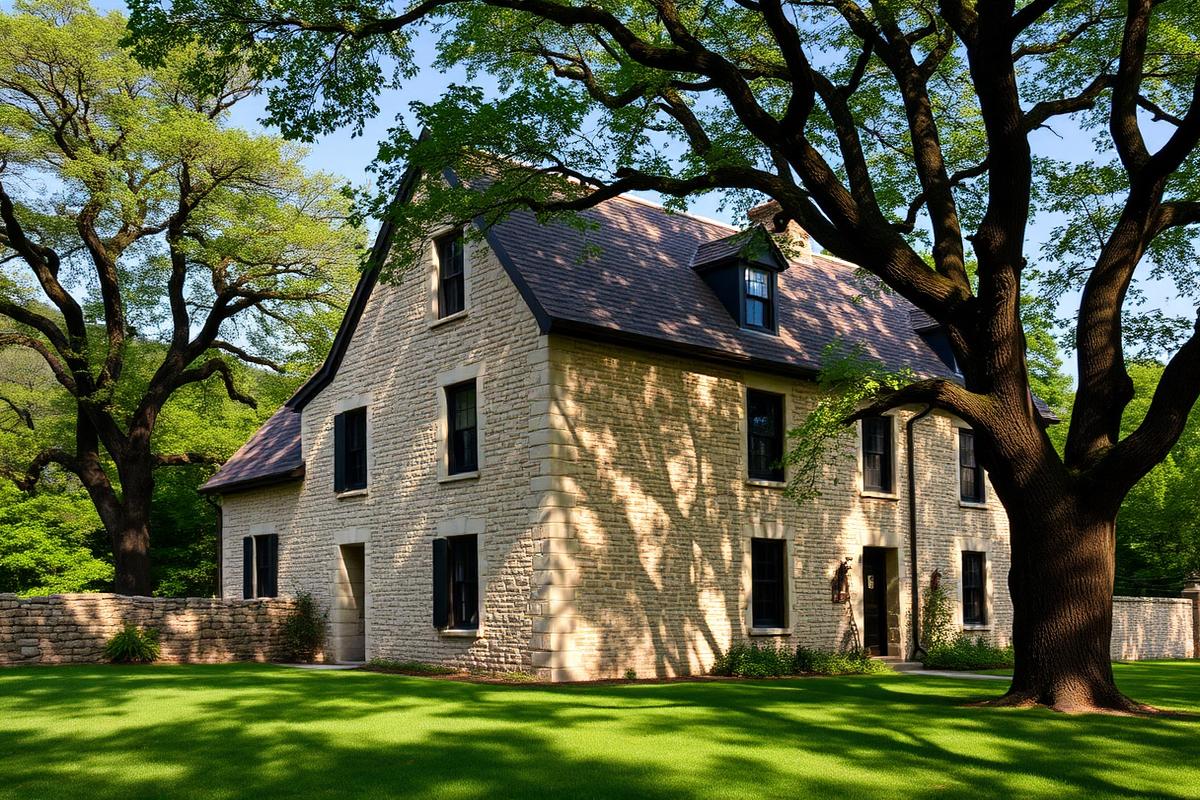
Beyond the iconic landmarks, the cabins throughout the Great Smoky Mountains National Park offer a profound insight into Appalachian ingenuity. These aren't grand estates but practical, hand-hewn dwellings designed for survival and comfort in a demanding environment. Notice the precision of the notched logs, the secure chinking between timbers, and the placement near water sources and arable land. Every detail speaks to a deep understanding of natural resources and a commitment to self-sufficiency.
Consider the cantilever barns, uniquely Appalachian structures where the upper log cribs extend beyond the lower story, creating sheltered space for livestock and equipment without needing additional support posts. This clever design, a hallmark of the region, highlights the resourceful spirit of the early settlers. Exploring these structures, imagining the daily chores performed within their walls, provides a tactile connection to the past, reminding you of a time when every tool and every structure served a vital purpose.
The People Behind the Park: A Complex Legacy
It is crucial to remember that the creation of the Great Smoky Mountains National Park, while preserving this invaluable wilderness for generations, also came at a significant cost: the displacement of thousands of families. These were resilient, self-sufficient communities with deep roots in the mountains, many tracing their ancestry back generations. The cabins and communities we now admire were once vibrant, bustling homes and neighborhoods.
This complex legacy is an integral part of the park's history. While the land was purchased (sometimes through eminent domain) to create the park, the emotional and social upheaval for those who called these mountains home was immense. Understanding this context adds a layer of depth to your visit, transforming the historical structures into poignant reminders of a way of life that was, in many ways, sacrificed for the greater good of conservation and public access. Look for interpretive signs that share personal stories of those who moved, allowing their voices to be heard alongside the narrative of preservation.
Planning Your Historic Cabin Exploration
To truly immerse yourself in the cabin life experience, strategic planning is key. Cades Cove, being the most popular historical area, can draw significant crowds, especially during peak seasons (spring, fall) and weekends. Arriving early in the morning, shortly after the loop road opens, offers the best chance for quiet contemplation and wildlife viewing. During the warmer months, consider experiencing the loop by bicycle on vehicle-free Wednesdays, offering an unparalleled sense of tranquility.
Beyond Cades Cove, numerous other historical structures are scattered throughout the park, offering a more solitary experience. Cataloochee Valley, on the park's eastern side, offers similar historical buildings and an added bonus of elk herds. Check the National Park Service website for specific locations, hiking trail access, and any temporary closures. Always wear comfortable walking shoes, bring water, and be prepared for changing weather conditions, as microclimates are common in the mountains. A good map and an open mind are your best companions for this journey back in time.
Sensory Details: Engaging All Your Senses
As you explore these historic sites, allow all your senses to participate in the experience. Close your eyes and imagine the scent of woodsmoke curling from a chimney, the taste of freshly churned butter, or the feel of homespun cloth. Listen for the rustle of leaves, the distant call of a bird, or the gentle murmur of a stream – sounds that have echoed through these valleys for centuries. The tactile experience of touching rough-hewn logs, walking on worn wooden floors, or feeling the cool stone of a fireplace connects you directly to the hands that built these homes.
Notice the interplay of light and shadow within the cabins, the way sunlight streams through small windowpanes, illuminating dust motes dancing in the air. This attention to detail transforms a simple visit into a profound sensory journey, bringing the past vividly to life around you. Picture the families gathering around the hearth for warmth and supper, their stories echoing in the silence that now fills these spaces. This is more than sight-seeing; it is an act of deep historical engagement.
Final Word
The Great Smoky Mountains offer a unique portal to a bygone era, where the spirit of resilience, community, and deep connection to the land continues to resonate. From the meticulously preserved homes of Cades Cove to the poignant story of the Walker Sisters, each cabin and each valley tells a vital chapter of American history. As you walk among these silent sentinels of the past, you're not just observing; you're connecting with the very heart of the Appalachian spirit, inheriting a legacy of endurance and the enduring beauty of a life lived close to the earth. May your reflections be as deep and lasting as the mountains themselves.
Frequently Asked Questions
What is the best time of year to visit Cades Cove?+
The best times to visit Cades Cove are spring for wildflowers (April-May) and fall for foliage (October-early November). Early mornings offer fewer crowds and better wildlife viewing.
Are there still descendants of the Walker Sisters living in the area?+
While the Walker Sisters themselves are gone, their legacy and stories are preserved by the National Park Service. Many families with historical ties to Cades Cove still live in surrounding communities.
Can you go inside the historic cabins in Cades Cove?+
Yes, many of the historic cabins and buildings in Cades Cove, including homes, churches, and grist mills, are open for visitors to explore inside the Great Smoky Mountains National Park.
How long does it take to drive the Cades Cove Loop Road?+
The Cades Cove Loop Road is 11 miles. Allow two to four hours to drive the loop, especially during peak seasons, as you'll want to stop and explore the historic sites along the way.
What kind of wildlife can be seen in Cades Cove?+
Cades Cove is a prime spot for wildlife viewing within Great Smoky Mountains National Park. Common sightings include white-tailed deer, wild turkeys, black bears, and various bird species.
Sources & Further Reading
Spotted an error? See our corrections policy. Curious about our research? Read our editorial policy and sources.