All ArticlesCulture

    Appalachian Heritage: Craft Towns of the Blue Ridge

    W
    Whitebeavers Editorial Team
    Apr 02, 2026 · 9 min

    Reviewed against our editorial policy and sources.

    Appalachian Heritage: Craft Towns of the Blue Ridge

    Asheville, Berea, Gatlinburg, and Abingdon — where centuries-old crafts still shape mountain economies.

    From our reporting

    I recently explored the vibrant craft scene in Asheville, North Carolina, and was captivated by the sheer talent and passion of the local artisans in 2024.

    Key Takeaways

    • Appalachian craft towns like Asheville, Berea, Gatlinburg, and Abingdon are vital centers for preserving and promoting traditional mountain crafts.
    • These towns offer unique opportunities to witness artisans at work, learn about heritage skills, and purchase authentic handmade goods.
    • The economy of these Blue Ridge towns is significantly shaped by the continuation of centuries-old craft traditions.
    • Visitors can immerse themselves in the rich cultural heritage of the Appalachians through the diverse array of crafts, from pottery and weaving to woodworking and instrument making.

    Imagine air sweetened with the scent of pine and rich earth, the distant strum of a dulcimer carrying on a gentle breeze, and the rhythmic tap-tap-tap of a potter's wheel. In the heart of the ancient Appalachian Mountains, a vibrant heritage of craftsmanship doesn't merely survive; it thrives, inviting you to discover a tangible connection to America's past, one handmade treasure at a time.

    From the soaring peaks of North Carolina to the rolling foothills of Kentucky and Virginia, the Blue Ridge Parkway doesn't just offer stunning vistas; it serves as a ribbon connecting communities where the skills of generations are meticulously preserved and passionately shared. These aren't just quaint tourist traps; they are living laboratories where the spirit of self-reliance, ingenuity, and artistic expression, born of mountain isolation and necessity, continues to shape local economies and cultural identities. You are about to embark on a journey through these remarkable craft towns, where every brushstroke, every carved piece of wood, and every woven fiber tells a story centuries in the making.

    Asheville, North Carolina: Bohemian Arts at Altitude

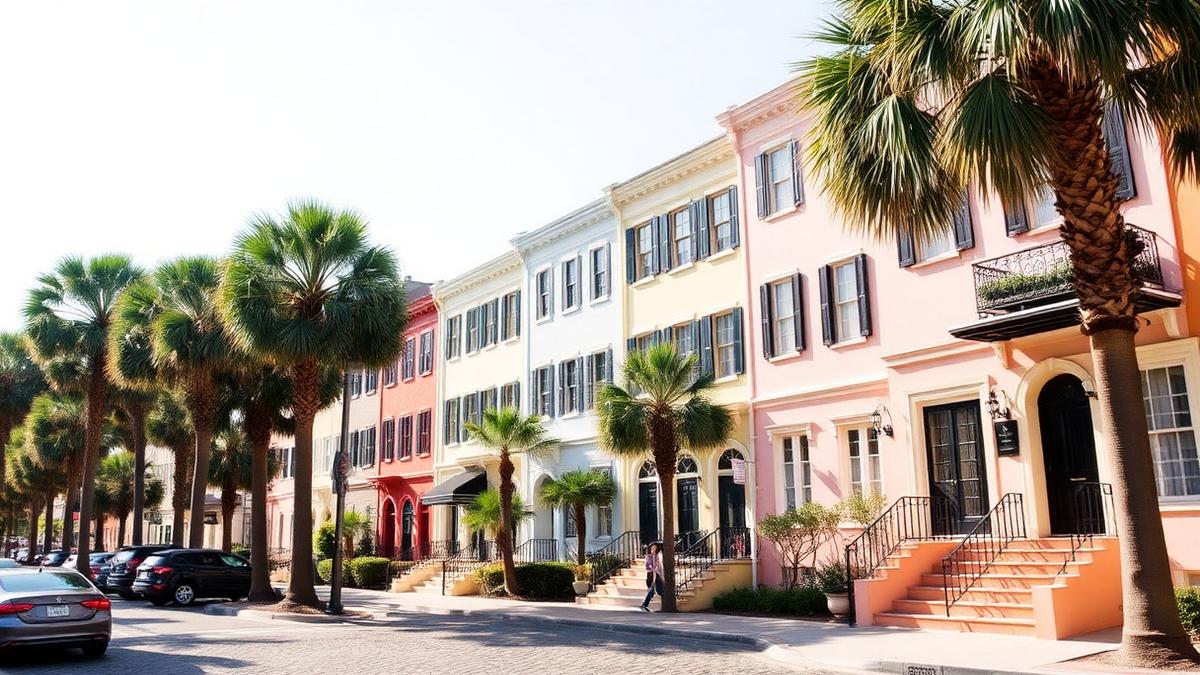
    Asheville, a city nestled amidst the majestic peaks of the Blue Ridge, pulses with an undeniably artistic energy. While it boasts a progressive culinary scene and an impressive array of breweries, its roots in craft run deep, nurtured by institutions like the venerable Folk Art Center. Established in 1951, the Folk Art Center showcases traditional and contemporary Southern Appalachian crafts, offering a fascinating glimpse into the evolution of mountain artistry, from intricate weaving to robust woodworking. You could easily spend hours here, marveling at the skill and stories behind each exhibit.

    Beyond the Folk Art Center, Asheville's River Arts District (RAD) is a sprawling, vibrant cluster of studios and galleries housed in former industrial buildings along the French Broad River. This is where the magic happens – you might stumble upon a glassblower transforming molten silica into shimmering art, a painter capturing the mountain light on canvas, or a sculptor coaxing form from clay. Many artists welcome visitors, offering insights into their processes, and the sheer diversity of mediums and styles is breathtaking. Keep an eye out for open studio events, especially during their twice-annual studio strolls, for an even deeper, more interactive experience.

    Historically, Western North Carolina's isolation fostered a self-sufficient culture where people made what they needed, from quilts to furniture. Today, Asheville has embraced this legacy, adding a contemporary twist that attracts artists from across the globe, creating a unique melting pot of traditional techniques and modern interpretation. Don't skip a visit to Grovewood Gallery, located near the Omni Grove Park Inn, where you'll find exceptional handcrafted pieces in a historic setting, often with live demonstrations.

    Berea, Kentucky: A Cradle of Appalachian Craft Education

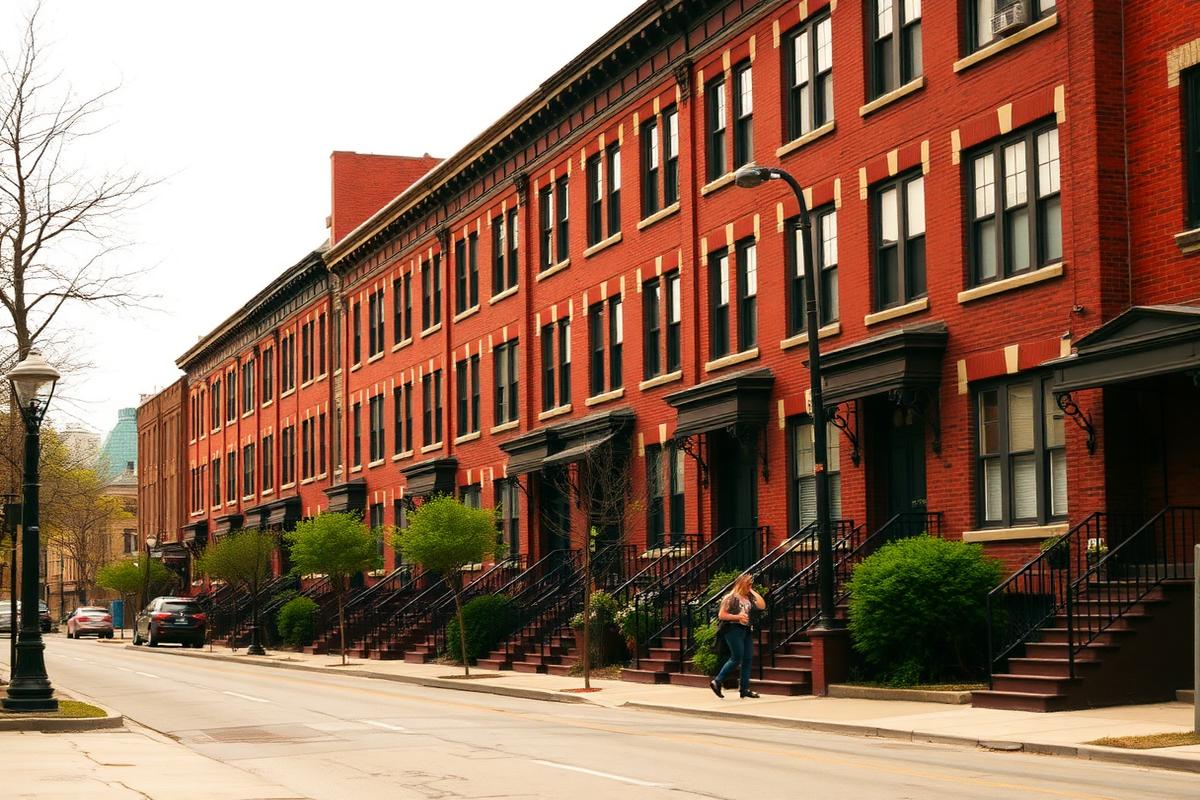
    Journey northwest into Kentucky, and you'll discover Berea, a town intrinsically linked with the preservation and promotion of Appalachian arts and crafts. At its heart lies Berea College, founded in 1855, which has always had a profound commitment to educational access and the celebration of regional culture. Uniquely, students at Berea College work for the institution to pay for their education, and many of these labor positions are within the various Berea College Crafts industries.

    When you stroll through Berea's quaint Artisan Village, you'll encounter numerous studios and shops connected to the college, such as the Berea College Craft Store and the Kentucky Artisan Center at Berea. Here, you can witness students and professional artisans alike crafting exquisite pieces – from traditional brooms, a craft that dates back to the 19th century at the college, to hand-spun pottery, intricate weaving, and finely crafted woodworking. These are practical skills, yes, but elevated to an art form, providing livelihoods and preserving heritage.

    Berea isn't just about observation; it's about participation. Many studios offer workshops where you can try your hand at a particular craft, whether it's throwing a pot, weaving a placemat, or even learning the basics of broom making. This hands-on engagement provides a deeper appreciation for the skill and dedication required. The town effectively functions as a living museum and a vibrant educational hub, ensuring that the techniques and spirit of Appalachian craft are passed down to future generations, making it a true cultural gem.

    Gatlinburg, Tennessee: Mountain Artisans' Heart

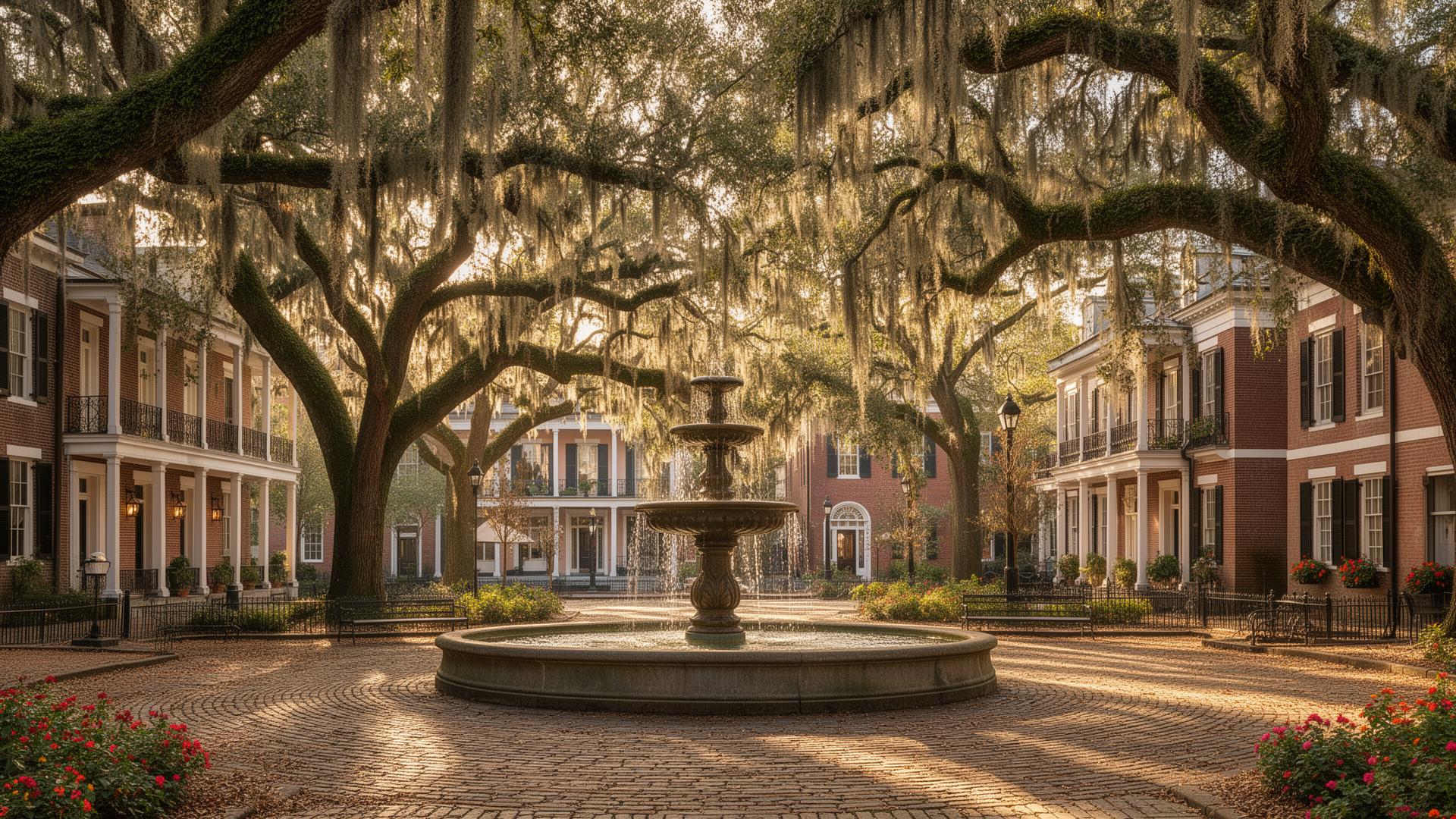
    Venture into the heart of the Great Smoky Mountains, and you'll find Gatlinburg, a town often associated with its proximity to the national park. However, Gatlinburg holds a secret jewel: the Great Smoky Arts & Crafts Community. This remarkable eight-mile loop, designated a Tennessee Heritage Arts & Crafts Trail, is the largest group of independent artisans in North America. It's an immersive experience, inviting you to drive or trolley through winding roads, stopping at individual studios and workshops.

    For over a century, the mountain folk of this region have relied on their hands to create everything from functional tools to decorative items. The Great Smoky Arts & Crafts Community proudly continues this tradition, featuring over 100 skilled artisans and craftspeople. You'll encounter woodcarvers creating incredible wildlife sculptures, potters shaping local clays, weavers spinning vibrant yarns, candlemakers pouring fragrant wax, and painters capturing the stunning natural beauty surrounding them. Many of these artisans are direct descendants of early Appalachian settlers, carrying on techniques passed down through generations.

    Beyond the sheer quantity of artists, what makes this community special is the direct interaction you can have. Many studios are open year-round, allowing you to watch the artists at work, ask questions, and purchase unique, handcrafted items directly from their creators. It’s a wonderful way to find authentic souvenirs that carry the soul of the mountains, far beyond the typical mass-produced trinkets. Don't miss special events throughout the year, such as the Craftsmen's Fairs, which bring together even more regional talent.

    Abingdon, Virginia: Historic Hub of Handwork

    Tucked away in the southwestern corner of Virginia is Abingdon, a town rich in history and deeply connected to its Appalachian craft heritage. While known for the famous Barter Theatre, one of the nation's longest-running professional regional theaters, Abingdon's commitment to arts and crafts is evident in its preserved downtown and dedication to showcasing local talent. The town's historical significance, dating back to 1778, provides a picturesque backdrop for its vibrant artisan community.

    The Virginia Creeper Trail, a scenic former railway now a path for hikers and bikers, runs through Abingdon, drawing visitors who often discover the town's artistic side. The Arts Depot, housed in the historic passenger station, is a cooperative space for local artists, featuring studios and galleries where you can observe artists at work and purchase their creations. You might find exquisite jewelry, watercolors reflecting the local landscape, or unique pottery pieces. This facility serves as a vital anchor for the contemporary art scene, while still honoring traditional forms.

    One of Abingdon's most significant contributions to Appalachian craft preservation is its proximity and connection to the Appalachian Trail. The town has always been a waypoint for creativity and exchange. Look for artisan shops scattered throughout the charming downtown, offering everything from handmade furniture to textiles. The local culture here emphasizes quality and durability, a reflection of the mountain people's ethos. The annual Virginia Highlands Festival, held in late summer, draws artisans and craft enthusiasts from across the region, celebrating the rich tapestry of Appalachian traditions and modern interpretations alike.

    The Enduring Spirit of Mountain Craft

    What unites these diverse towns—Asheville's bohemian flair, Berea's educational mission, Gatlinburg's vast artisan community, and Abingdon's historic charm—is a shared reverence for the handmade. For centuries, the rugged terrain and relative isolation of the Appalachian Mountains fostered a culture of self-sufficiency, where creativity was not merely an aesthetic pursuit but a practical necessity. From spinning wool into clothing to carving wood for tools and furniture, every item was imbued with purpose, skill, and an intrinsic beauty born of its utility.

    Today, as you travel through these regions, you'll find that while technology has changed the world, the essence of Appalachian craft remains. It’s a painstaking dedication to materials, a respect for time-honored techniques, and a deep connection to the natural world. Many artisans use locally sourced materials—wood from the surrounding forests, clay from mountain streams, or natural dyes derived from plants, creating a tangible link between the finished product and the land it comes from.

    Moreover, these craft towns are not static museums; they are dynamic communities where tradition constantly intersects with innovation. Young artists bring fresh perspectives to ancient forms, ensuring that Appalachian craft remains relevant and vibrant. When you purchase a piece of pottery, a hand-woven rug, or a carved wooden figure from these towns, you are not merely acquiring an object; you are investing in a story, supporting a living heritage, and taking home a piece of American ingenuity.

    Planning Your Crafted Journey

    To truly experience the richness of these regions, allow yourself ample time for exploration. Each town offers a distinct flavor, and rushing through will diminish the impact. Consider focusing on one or two towns per trip, really digging into their particular craft specialties and engaging with the local artisans. The Blue Ridge Parkway often serves as a beautiful connecting route, but be prepared for slower travel, especially in the fall.

    Remember to check individual studio hours and event schedules before your visit, as many smaller workshops may have irregular hours. Look for opportunities to participate in workshops or demonstrations, as these hands-on experiences often provide the most memorable insights. When purchasing items, don't hesitate to ask about the artisan's story or the history of the particular craft—these narratives add immeasurable value to your souvenirs.

    Supporting these craftspeople not only brings unique treasures into your life but also directly contributes to the preservation of invaluable cultural traditions. It helps sustain livelihoods in communities where self-reliance has always been a hallmark. Embrace the unhurried pace of the mountains, let your curiosity guide you, and prepare to be inspired by the enduring spirit of Appalachian artistry.

    Final Word

    The Blue Ridge Mountains, with their mist-shrouded peaks and deep-rooted traditions, offer more than just scenic beauty; they offer a journey into the soul of American craftsmanship. From the intricate weave to the sculptural form, the hands of generations have shaped not just materials, but a cultural identity that resonates with resilience, creativity, and profound beauty. Your visit to these craft towns will provide a tangible connection to this heritage, leaving you with not just souvenirs, but stories, inspiration, and a deeper appreciation for the enduring spirit of the Appalachian artisan. Prepare to be enchanted.

    Frequently Asked Questions

    What unique crafts can you find in Asheville, North Carolina?+

    Asheville is renowned for its diverse crafts, including pottery, glassblowing, weaving, and metalwork. The River Arts District is a hub for studios and galleries where visitors can often watch artists at work and purchase unique pieces.

    Where can I learn about traditional Appalachian crafts in Berea, Kentucky?+

    Berea, Kentucky, is home to Berea College, which has a strong arts and crafts program. The Kentucky Artisan Center at Berea showcases and sells works by over 700 Kentucky artisans, including traditional Appalachian crafts.

    What kind of craft experiences are available in Gatlinburg, Tennessee?+

    Gatlinburg, Tennessee, features the Great Smoky Arts & Crafts Community, an 8-mile loop road with studios and shops of independent artisans. Visitors can find woodworking, weaving, pottery, painting, and candlemaking, often with demonstrations available.

    Are there historical craft traditions preserved in Abingdon, Virginia?+

    Abingdon, Virginia, prides itself on its artistic heritage. The town is home to the Abingdon Muster Grounds, which hosts craft demonstrations, and the Virginia Creeper Trail, where local artisans often have shops. The nearby Heartwood: Southwest Virginia’s Artisan Gateway also features regional crafts.

    Sources & Further Reading

    Spotted an error? See our corrections policy. Curious about our research? Read our editorial policy and sources.