All ArticlesCulture

    Key West: Hemingway, Flagler, and the End of the Road

    W
    Whitebeavers Editorial Team
    Mar 16, 2026 · 9 min

    Reviewed against our editorial policy and sources.

    Key West: Hemingway, Flagler, and the End of the Road

    How a 19th-century railroad and a 20th-century novelist shaped America's southernmost city.

    From our reporting

    Our recent visit to Key West in 2024 allowed us to fully immerse ourselves in the island's unique atmosphere, from the scent of frangipani to the vibrant sounds of Duval Street.

    Key Takeaways

    • Henry Flagler's Overseas Railroad connected Key West to mainland Florida, transforming the island into a bustling port and tourist destination.
    • Ernest Hemingway's time in Key West in the 1930s left an indelible mark, with his home now a popular museum and his spirit influencing the local literary scene.
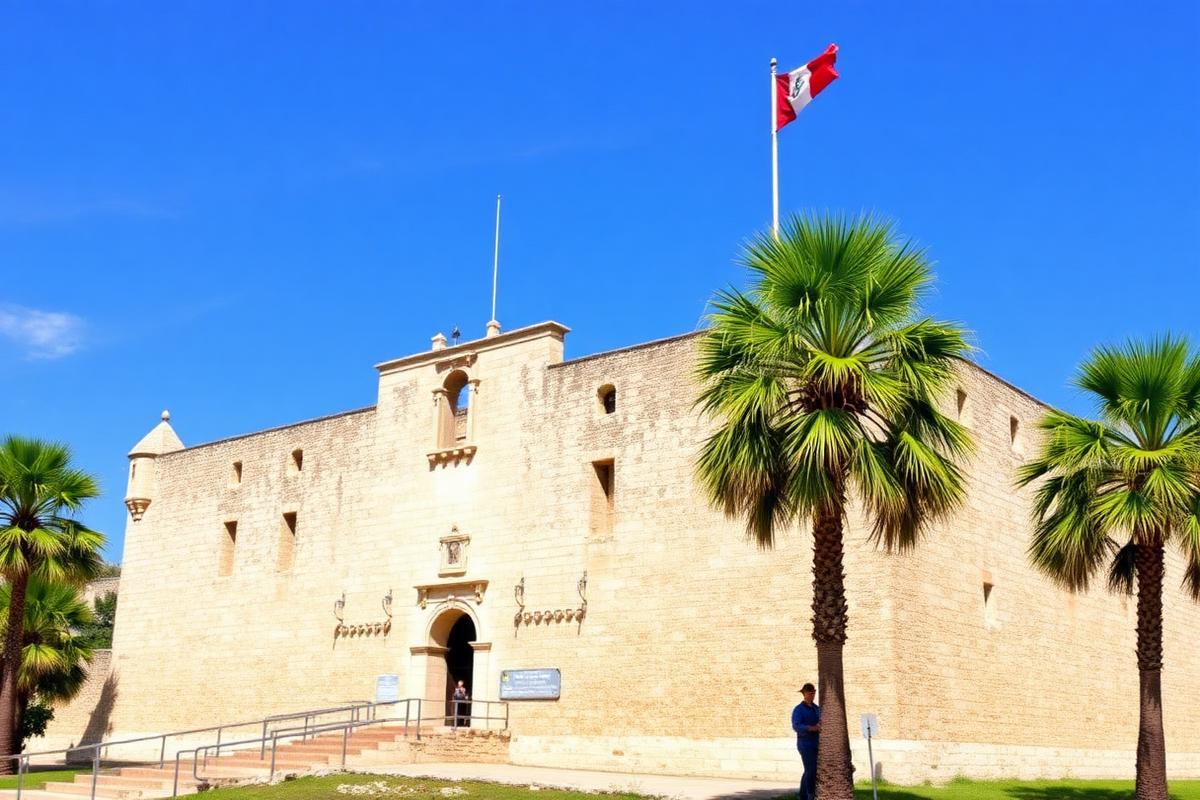
    • Key West's strategic location made it a crucial military outpost, with Fort Zachary Taylor playing a significant role in the Civil War and Spanish-American War.
    • The island's rich cultural tapestry is a blend of Bahamian, Cuban, and American influences, evident in its architecture, cuisine, and traditions.
    • Conservation efforts are vital to preserving Key West's delicate ecosystem, including its coral reefs and historic wooden architecture.

    Imagine a place where turquoise waters kiss coral shores, where the air hums with a laid-back rhythm, and where every street seems to whisper tales of adventurers, artists, and eccentrics. This is Key West, a sliver of paradise at the very end of the American road, a destination unlike any other. For thoughtful travelers seeking more than just sun and sand, Key West offers a compelling journey through a vibrant history, shaped profoundly by two visionaries: a railroad magnate and a Nobel Prize-winning author.

    The Impossible Railroad: Flagler's Folly

    Before you even set foot on Key West proper, you’ll traverse a marvel of human ingenuity: the Overseas Highway. This breathtaking ribbon of asphalt, stretching over shimmering emerald waters, owes its existence to Henry Flagler, a man whose ambition knew no bounds. In the late 19th and early 20th centuries, Flagler, a co-founder of Standard Oil, envisioned extending his Florida East Coast Railway clear to Key West, despite the formidable challenges posed by the open ocean and treacherous weather.

    Construction began in 1905, a Herculean task that involved building 42 bridges and countless miles of embankment over a vast expanse of water. Thousands of workers, many of them immigrants, toiled under harsh conditions, facing hurricanes, saltwater corrosion, and the sheer scale of the undertaking. When the first train, with Flagler himself aboard, pulled into Key West on January 22, 1912, it was hailed as the "Eighth Wonder of the World." This engineering masterpiece transformed Key West from a remote island outpost into a strategically vital port and a bustling commercial hub, directly connecting it to mainland America.

    While the original railroad was largely destroyed by the devastating Labor Day Hurricane of 1935, its legacy endures. The Overseas Highway, constructed in the wake of the hurricane, ingeniously repurposed many of Flagler’s original bridge foundations, allowing you to drive over the very pathways his trains once clattered. As you cross the iconic Seven Mile Bridge, take a moment to appreciate the sheer audacity and perseverance that brought this impossible dream to life, forever altering the destiny of Key West.

    Hemingway's Key West: A Literary Legacy

    Just as Flagler built the physical connection, Ernest Hemingway cemented Key West’s place in the cultural imagination. He arrived in 1928 and, barring extended travels, made it his home for over a decade, a period often considered his most productive. It was here, in a beautiful Spanish Colonial-style house at 907 Whitehead Street, that he penned some of his most celebrated works, including "A Farewell to Arms," "Death in the Afternoon," "The Green Hills of Africa," and "To Have and Have Not," a novel deeply imbued with the island’s character.

    When you visit the Ernest Hemingway Home & Museum today, you step directly into Papa’s world. Wander through the sun-drenched rooms, furnished as they were during his residence. Notice the grand Four-Poster bed in his bedroom, or the built-in bookshelves overflowing with titles. Most famously, you’ll encounter the descendants of his beloved six-toed cats, who still roam the property with an air of contented aristocracy. Their playful presence adds a uniquely charming touch to the experience, a living tribute to a man who cherished their companionship.

    Hemingway was more than just a writer in Key West; he was an integral part of its social fabric. He fished its waters, frequented Sloppy Joe’s Bar (though its original location, now Captain Tony's Saloon, offers a more authentic glimpse into his preferred haunts), and forged friendships with local characters who often found their way into his stories. His presence imbued Key West with an undeniable literary allure, attracting other artists and writers and transforming it into a bohemian haven. Exploring the old town, you can still feel the echoes of his larger-than-life personality around every corner, particularly in the quieter streets and historic establishments.

    Architectural Charms of Old Town

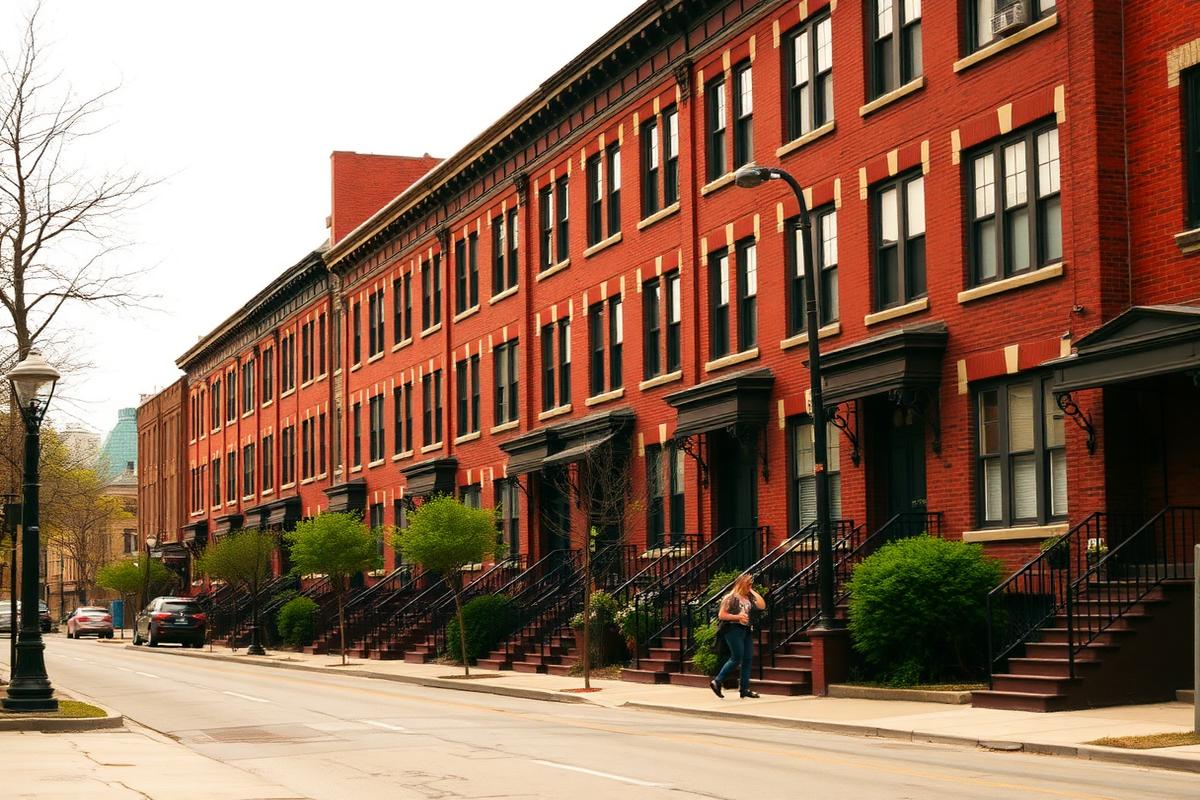
    Beyond its famous residents, Key West’s Old Town is a treasure trove of captivating architecture, a testament to its maritime past and its rich cultural blend. As you stroll through its shady streets, you’ll encounter a delightful array of historic homes, most notably the "Conch Houses" – distinctive wooden structures built by shipbuilders and master carpenters in the 19th and early 20th centuries.

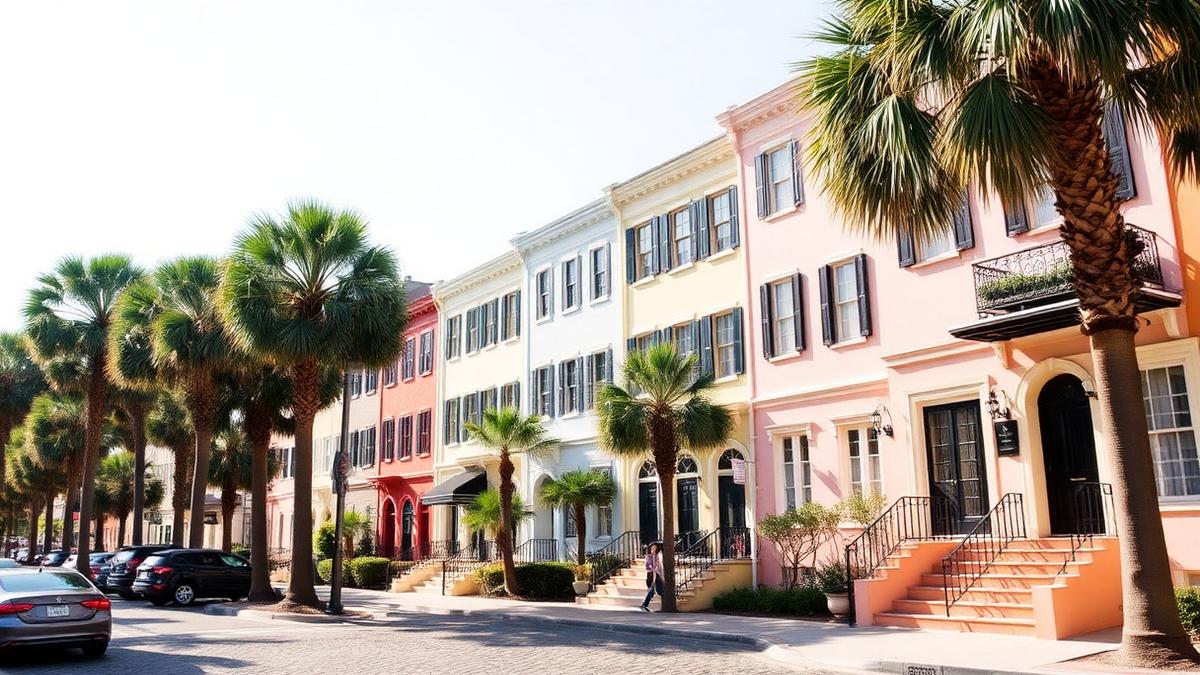
    These charming homes, often painted in vibrant pastels, feature unique architectural elements designed to cope with the tropical climate. Look for the wide verandas, or "wrap-around porches," perfect for catching sea breezes and enjoying the evening air. Many boast intricate gingerbread trim, delicate fretwork that adds a touch of fanciful elegance, and shutters to protect against sun and storms. Notice how many are elevated on piers, an ingenious solution for ventilation and flood protection. The Key West Historic District, encompassing much of the old town, is a designated National Register of Historic Places site, ensuring these architectural gems are preserved for generations to come.

    Take your time to wander the side streets like Eaton, Caroline, and Fleming. You'll discover hidden gardens bursting with bougainvillea and hibiscus, and stumble upon quaint shops and art galleries housed in beautifully restored buildings. Each structure tells a story, reflecting the diverse influences – Bahamian, Cuban, New England – that have shaped Key West into the unique place it is today. Don't be surprised if you find yourself stopping frequently to admire a particularly striking example, perhaps with a friendly polydactyl cat lounging on its porch.

    A Taste of Key West: Culinary Delights

    No journey to Key West is complete without indulging in its distinctive culinary scene, a delicious fusion of Caribbean, Southern, and Latin influences. The island’s proximity to abundant seafood makes fresh catch a staple, and you’ll find it prepared in countless delectable ways. Key West pink shrimp, conch (pronounced "konk") fritters, and hogfish are local specialties you shouldn't miss.

    For a truly authentic experience, seek out a seafood shack off the beaten path, where the day’s catch is served unpretentiously with a side of island vibe. Or, for a more upscale affair, many fine dining establishments offer exquisitely prepared dishes, often with breathtaking ocean views. Don’t forget to try a classic Cuban sandwich, a testament to the island's strong ties to Cuba, or a succulent plate of "Mojo" marinated pork.

    And then, there’s Key Lime Pie. This iconic dessert, with its perfect balance of tart and sweet, is a mandatory culinary pilgrimage. You'll find it everywhere, from roadside stands to elegant restaurants, often topped with fluffy meringue or a dollop of whipped cream. Ask a local where to find their favorite; some prefer it frozen on a stick, while others champion a more traditional slice. No matter your preference, savoring a slice of authentic Key Lime Pie is an essential part of the Key West experience, a sweet culmination to your island adventure.

    Beyond the Beaten Path: Maritime History and Natural Beauty

    While Hemingway’s house and Duval Street draw crowds, delve a little deeper and you’ll uncover Key West’s profound connection to the sea and its spectacular natural environment. The island’s strategic location made it a haven for salvagers and wreckers in the 19th century, men who made their fortunes rescuing cargo from the treacherous coral reefs. Visit the Key West Shipwreck Museum to immerse yourself in this daring chapter of history, complete with live actors and fascinating artifacts from a salvaged wreck.

    For a different perspective, head to the Key West Lighthouse and Keeper's Quarters Museum. Climb the 88 steps to the top for panoramic views of the island and the shimmering Atlantic. The lighthouse, built in 1848, served as a crucial beacon for countless ships navigating these waters, and visiting it offers a tangible link to Key West’s maritime past.

    And don't forget the natural beauty that surrounds this southernmost point. Consider a snorkeling or diving trip to explore the vibrant coral reefs, part of the Florida Keys National Marine Sanctuary, home to an incredible array of marine life. Kayak through mangrove tunnels, where the quiet serenity offers a stark contrast to the bustle of Duval Street. Or simply witness a sunset at Mallory Square, a daily ritual that draws crowds to bid farewell to the day, often accompanied by street performers and the lingering scent of conch fritters in the air. These experiences will remind you that Key West is not just a historical site, but a living, breathing ecosystem with its own intrinsic rhythms.

    Mallory Square: A Sunset Spectacle

    As the day draws to a close in Key West, there is one tradition that unites locals and visitors alike: the Sunset Celebration at Mallory Square. This nightly ritual, which has been captivating audiences for decades, is more than just watching the sun dip below the horizon – it's a vibrant, eclectic carnival that perfectly embodies the quirky spirit of the island. Arrive an hour or two before sunset to secure a good spot along the historic waterfront.

    Here, street performers gather to entertain the growing crowd. You’ll see jugglers, magicians, fire-eaters, and musicians showcasing their talents, often with a good dose of humor and audience participation. Artisans display their wares – intricate jewelry, local artwork, and handmade souvenirs – offering unique mementos of your visit. Food vendors tempt you with delectable snacks, from freshly made conch fritters to iced Key Lime Pie on a stick.

    As the sun begins its dramatic descent, painting the sky in fiery oranges, purples, and reds, a hush falls over the square. The spectacle of the sun melting into the Gulf of Mexico, often silhouetting a majestic tall ship, is truly breathtaking. It’s a moment of collective awe, a shared experience that creates a sense of community. The Mallory Square Sunset Celebration is a fitting capstone to any day in Key West, a place where history and modern-day revelry dance hand-in-hand under a dazzling sky, a tradition that reminds you of the unique, enduring charm of this southernmost city.

    Final Word

    From Flagler’s improbable railroad to Hemingway’s literary sanctuary, Key West beckons with a history as colorful as its painted Conch Houses. It’s a place where you can trace the footsteps of giants, savor the flavors of the Caribbean, and lose yourself in the captivating embrace of island time. As you depart this singular destination, you’ll carry with you not just memories of sun and sea, but a deeper understanding of the visionaries and free spirits who forged this American gem at the very end of the road. Key West is more than a destination; it’s an experience, a journey into the heart of a truly unique American story.

    Frequently Asked Questions

    What are the operating hours for the Ernest Hemingway Home and Museum in Key West?+

    The Ernest Hemingway Home & Museum is open daily from 9 AM to 5 PM, 365 days a year, including holidays. Admission is $18 for adults, cash only.

    Where can I find information about Henry Flagler's Overseas Railroad history in Key West?+

    You can find extensive information about Henry Flagler's Overseas Railroad at the Flagler Museum in Palm Beach, Florida, and through historical exhibits at local Key West museums like the Custom House.

    What is the best way to explore the historic architecture of Key West?+

    The best way to explore Key West's historic architecture is by taking a self-guided walking tour or a guided tour of the Old Town. Maps and information are available at the Key West Visitor Center.

    Are there any annual literary events in Key West related to Ernest Hemingway?+

    Yes, Key West hosts Hemingway Days every July, celebrating the author's life and work with events including a look-alike contest, fishing tournament, and literary readings.

    What kind of environmental conservation efforts are active in the Key West area?+

    Key West is actively involved in coral reef conservation through organizations like the Florida Keys National Marine Sanctuary, focusing on protection, restoration, and education.

    Sources & Further Reading

    Spotted an error? See our corrections policy. Curious about our research? Read our editorial policy and sources.