Inside Santa Fe's World-Class Art Scene
Reviewed against our editorial policy and sources.
Canyon Road, Georgia O'Keeffe, and why this small desert city has more galleries per capita than anywhere in the US.
From our reporting
The scent of piñon smoke and adobe wafted through the air as I wandered Canyon Road, discovering hidden courtyards filled with incredible art on my 2024 visit.
Key Takeaways
- Santa Fe boasts one of the highest concentrations of art galleries per capita in the United States, particularly along Canyon Road.
- The city's rich cultural heritage, influenced by Native American, Hispanic, and Anglo traditions, deeply informs its artistic expression.
- Georgia O'Keeffe's legacy is central to Santa Fe's art identity, with the Georgia O'Keeffe Museum providing extensive insight into her life and work.
- Beyond galleries, Santa Fe offers numerous art markets, studio tours, and cultural events throughout the year.
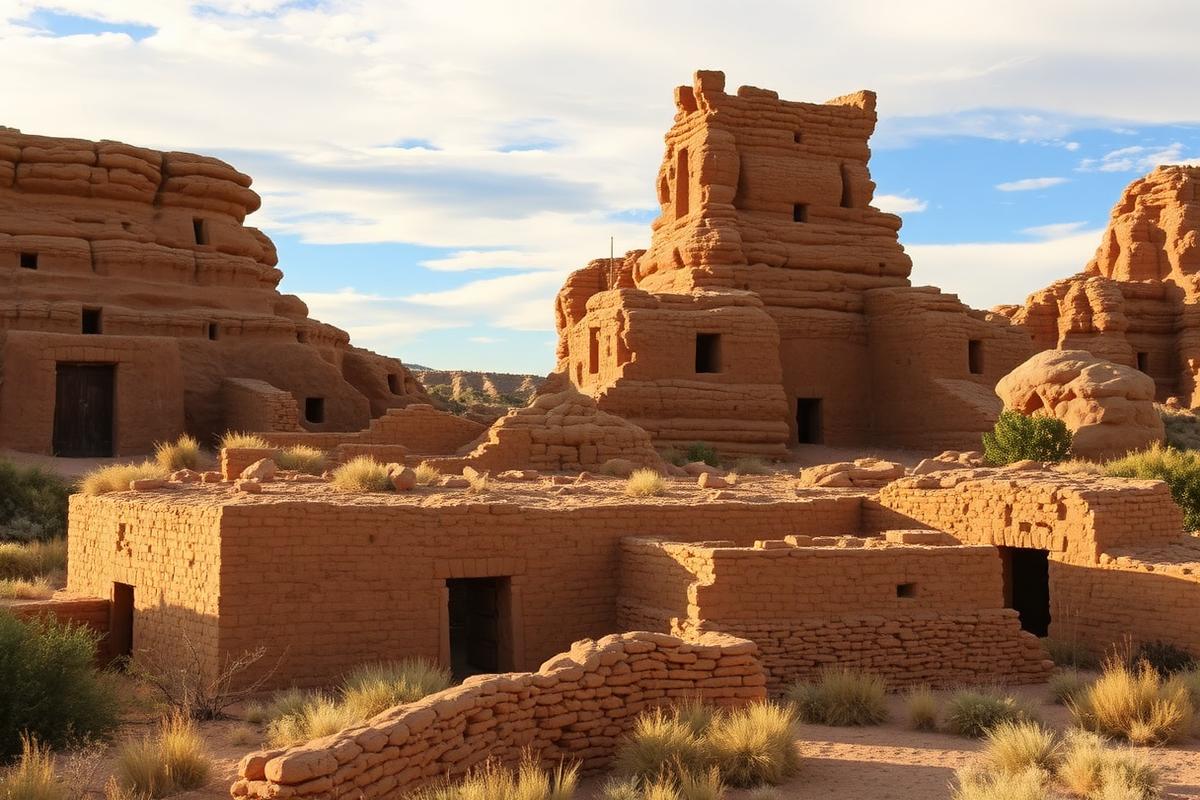
The high desert air shimmers with an undeniable magic. It’s a dry, crisp quality that stings the nostrils pleasantly, carrying the faint scent of piñon and sage. Here, where adobe walls glow ochre and russet under an eternal cerulean sky, a city thrives that, despite its modest size, punches far above its weight in the global art arena. Santa Fe, New Mexico, often called the "City Different," is a place where history, culture, and nature converge to ignite an unparalleled creative spirit. For the discerning traveler seeking more than just pretty pictures, Santa Fe offers a profound journey into the heart of American artistry, a place where every corner turned reveals a new masterpiece, a fresh inspiration, or a story deeply etched into the very fabric of the land. It’s a pilgrimage for the aesthetically inclined, a vibrant tapestry woven from centuries of artistic endeavor, beckoning those who appreciate the profound connection between place and paint, earth and expression.
Canyon Road: A Symphony of Vision and Vistas
To truly understand Santa Fe’s artistic pulse, one must embark on a stroll down Canyon Road. This legendary thoroughfare, just a short walk from the historic Plaza, is not merely a street; it's a living, breathing outdoor museum, a testament to the city's extraordinary concentration of artistic talent. What began as a Native American footpath and later a route for Spanish colonists seeking firewood, transformed in the early 20th century into an artists' colony, attracting figures like John Sloan and Randall Davey. Today, over one hundred galleries and studios line its winding, tree-shaded length, housed in charming, historic adobe buildings. Each doorway is an invitation, a portal to a new world of artistic expression, ranging from contemporary abstract and modern sculpture to traditional Southwestern landscapes and the vibrant folk art of New Mexico.
As you wander, the visual feast is constant. Bronze sculptures gleam in sun-drenched courtyards, colorful paintings spill from open doors onto the dusty sidewalk, and the air hums with a quiet energy of creation. Don’t rush; allow yourself to be drawn in by a striking piece, step inside, and engage with the gallery owners, many of whom are artists themselves or deeply knowledgeable about the local art scene. Galleries such as Nedra Matteucci Galleries, established in 1972, offer a curated selection of 19th and 20th-century American art, including Taos Society of Artists works, while the elegant Evoke Contemporary showcases cutting-edge artists pushing the boundaries of various mediums. The beauty of Canyon Road lies not just in the art itself, but in the intimate experience of encountering it, often in the very spaces where it was conceived.
Georgia O'Keeffe: The Spirit of the Southwestern Landscape
No exploration of Santa Fe’s art scene would be complete without paying homage to its most iconic adopted daughter, Georgia O'Keeffe. Her profound connection to New Mexico's stark, breathtaking landscapes forever cemented the region's place in American modernism. The Georgia O'Keeffe Museum, located just two blocks from the Plaza, is the only museum in the United States dedicated to an individual female artist of international stature. Opened in 1997, it offers unparalleled insight into O'Keeffe's artistic journey, showcasing her iconic works – the magnified flowers, the bleached animal bones, the architectural forms of her Abiquiú home, and the sweeping vistas of Ghost Ranch.
The museum's thoughtful curation provides a chronological and thematic understanding of her evolution, from her early abstract experiments to her later, more representational depictions of the New Mexico terrain. It’s here that one truly grasps O'Keeffe's unique ability to render the essence of a place, transforming the ordinary into the monumental. Her work is not merely a depiction of the Southwestern landscape; it is an interpretation, a spiritual immersion. A visit to the O'Keeffe Museum is more than just viewing art; it's an opportunity to understand how a specific environment can profoundly shape an artist's vision and, in turn, how that vision can forever define a destination for generations of admirers.
MEOW WOLF: Immersive Worlds Beyond Imagination
For those seeking a departure from traditional galleries and a dive into an altogether different artistic dimension, Meow Wolf's House of Eternal Return is an absolute must-experience. This groundbreaking, immersive art installation has redefined what a creative experience can be. Originally funded in part by Game of Thrones author George R. R. Martin, who is a longtime Santa Fe resident, Meow Wolf opened in 2016 in a former bowling alley. It's an experimental, maximalist art space that blends narrative, elaborate environments, and interactive elements into a kaleidoscopic wonderland.
Stepping into the House of Eternal Return means entering a whimsical, multi-dimensional narrative centered around the mysterious disappearance of the fictional Selig family. Visitors explore a Victorian house that has been fragmented and transformed, with portals leading to fantastical realms: glowing forests, surreal desert landscapes, and cosmic tunnels. Every meticulously crafted room and every hidden passageway bursts with color, sound, and surprise. It's a choose-your-own-adventure art installation that encourages touch, play, and discovery. Meow Wolf represents the innovative, forward-thinking edge of Santa Fe's art scene, proving that the city's artistic spirit is not confined to traditional mediums but embraces the avant-garde and experiential.
Native American Art: Ancient Roots, Contemporary Expressions
The artistic narrative of Santa Fe is deeply interwoven with the vibrant traditions of its original inhabitants. Native American art, particularly from the Pueblo peoples of New Mexico, forms a foundational layer of the city's cultural identity. The Institute of American Indian Arts (IAIA), established in 1962, is the country’s only four-year degree-granting institution for Native Americans. Its museum, the IAIA Museum of Contemporary Native Arts (MoCNA), is a crucial venue for showcasing the evolving landscape of indigenous art, offering a thought-provoking collection that ranges from traditional pottery and weaving to contemporary sculpture, painting, and multimedia installations. It challenges preconceived notions of Native American art, highlighting its diversity and innovation.
Beyond museum walls, the Santa Fe Indian Market, held annually in August, transforms the historic Plaza into the largest and most prestigious Native American art market in the world. For over a century, this event has brought together thousands of artists from more than 100 tribes across the United States and Canada, featuring exquisite pottery, jewelry, textiles, basketry, and carvings. Even outside of the market, many galleries along the Plaza and in the city center specialize in authentic Native American art, offering direct opportunities to purchase works and learn about the artists and their rich cultural heritage. This access to authentic indigenous artistry is a powerful and unique aspect of Santa Fe's art scene, offering an unbroken connection to thousands of years of creative expression.
Museum Hill: A Cultural Nexus
Perched above the city with sweeping views of the Sangre de Cristo Mountains, Museum Hill is a cultural campus that consolidates several significant institutions, making it an essential stop for any art and history enthusiast. It provides a deeper dive into the diverse artistic and cultural traditions that define New Mexico. Here, visitors can explore the Museum of International Folk Art, home to the world's largest collection of folk art, boasting over 160,000 objects from more than 100 countries. Its "Multiple Visions: A Common Thread" exhibition, created by legendary collector Alexander Girard, is a whimsical, captivating display of miniature figures, toys, textiles, and everyday objects that reveal the shared human experience across cultures, making it accessible and delightful for all ages.
Adjacent to this is the Museum of Indian Arts & Culture, an essential repository for understanding the region’s Native American heritage, with artifacts spanning thousands of years of Pueblo, Navajo, and Apache history. The Wheelwright Museum of the American Indian, founded in 1937, focuses specifically on Native American arts and cultures, with a particular emphasis on the Southwest. Finally, the Santa Fe Botanical Garden, while not strictly an art museum, offers its own form of natural artistry and often features site-specific installations, blending landscape design with creative expression. Museum Hill offers a comprehensive, enriching experience, allowing visitors to immerse themselves in various facets of global and local art and culture within a beautiful, serene setting.
The Artistic Legacy: Why So Many Galleries?
The question often arises: how did this relatively small city become such a prolific artistic hub, boasting one of the highest concentrations of galleries per capita in the United States? The answer lies in a confluence of factors, deeply rooted in its history and unique environment. The initial draw was undoubtedly the raw, untamed beauty of the high desert and the dramatic light that defines New Mexico, attracting artists like Robert Henri and Paul Burlin in the early 20th century. This burgeoning artist community was further bolstered by institutions like the School of American Research (now SAR), founded in 1907, which promoted the study and preservation of Southwestern cultures and arts.
Furthermore, Santa Fe's tri-cultural dynamic—Native American, Hispanic, and Anglo—has created a truly unique artistic fusion. Each culture brings its distinct traditions, techniques, and philosophies, resulting in an exceptionally rich and diverse creative tapestry. The city has also cultivated a supportive ecosystem for artists, with numerous art schools, workshops, and a collector base that values authenticity and craftsmanship. This enduring legacy, coupled with a palpable sense of spiritual connection to the land, continues to draw new generations of artists and collectors alike, ensuring Santa Fe’s position as a world-class art destination for centuries to come.
Frequently Asked Questions
What is the best way to experience Canyon Road's art galleries in Santa Fe?+
The best way to explore Canyon Road is on foot, allowing you to browse over 100 galleries, studios, and sculpture gardens. Many galleries offer free admission; check individual gallery hours, which often extend into the evening, especially on Fridays.
Where can I learn more about Georgia O'Keeffe's connection to Santa Fe?+
Visit the Georgia O'Keeffe Museum at 217 Johnson Street, Santa Fe, NM 87501. It is open daily from 10 AM to 5 PM, with tickets typically around $20 for adults. Advance booking is recommended.
Are there specific times of year when Santa Fe's art scene is most active?+
Santa Fe's art scene is vibrant year-round, but major events like the Santa Fe Indian Market (August) and Spanish Market (July) attract significant attention. The fall months offer pleasant weather and numerous gallery openings.
What are some lesser-known art attractions in Santa Fe beyond Canyon Road?+
Explore the Railyard Arts District for contemporary galleries, or visit the New Mexico Museum of Art at 107 W Palace Ave for a historical perspective. Several Native American pueblos also host annual art shows and open studio events.
Sources & Further Reading
Spotted an error? See our corrections policy. Curious about our research? Read our editorial policy and sources.