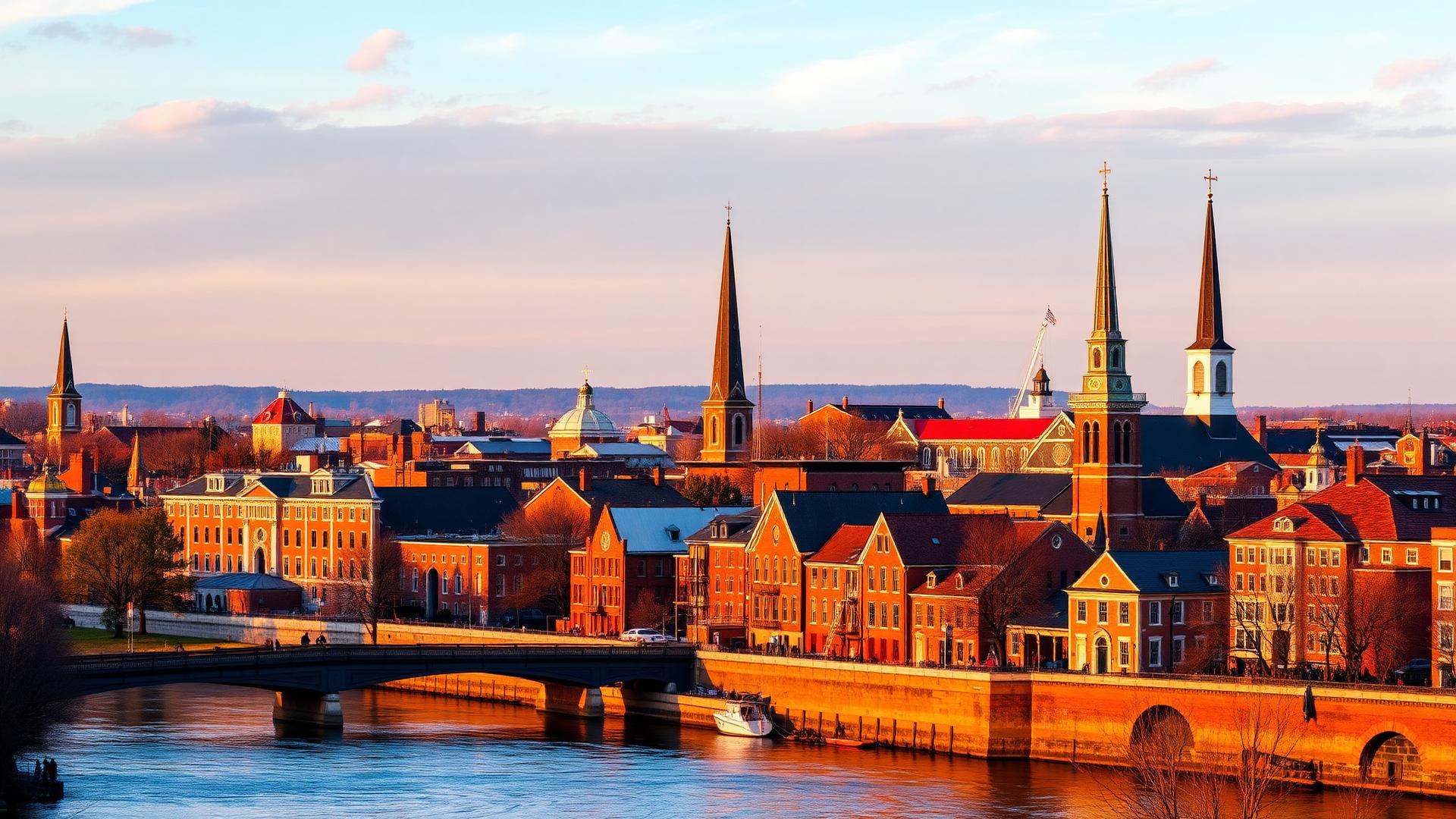
Boston's Irish Heritage: Pubs, Parades, and Politics
Reviewed against our editorial policy and sources.
From the Famine immigrants to JFK, how the Irish shaped a city — and where to feel that legacy today.
From our reporting
Our Whitebeavers team recently explored Boston's Irish heart, from the evocative Faneuil Hall to the bustling Seaport, truly feeling the enduring legacy of Irish immigrants in 2024.
Key Takeaways
- Boston's Irish heritage is deeply rooted in immigration, particularly during the Great Famine. Key neighborhoods like South Boston and Charlestown were historically Irish strongholds.
- The contributions of Irish Americans to Boston's politics, labor movements, and cultural identity are significant, shaping the city's development.
- Iconic landmarks such as the Boston Irish Famine Memorial and the John F. Kennedy Presidential Library and Museum offer insights into this rich history.
- Traditional Irish pubs, cultural events like the St. Patrick's Day Parade, and Gaelic sports clubs continue to celebrate and preserve Boston's vibrant Irish heritage today.
Imagine a city where the echoes of ancient Gaelic songs still resonate in bustling pubs, where the spirit of defiance and resilience is woven into every brick and cobblestone, and where the fight for freedom was fueled by both American ideals and ancestral memories. Welcome to Boston, a place where the vibrant tapestry of Irish heritage isn't just a part of the past; it's a living, breathing force that has indelibly shaped its character, its politics, and its very soul.
The Emerald Isle Meets the New World: Early Arrivals
Your journey into Boston's Irish heart begins long before the Great Famine. While the mid-19th century brought a massive influx, Irish immigrants had been arriving in smaller numbers since the colonial era, often as indentured servants or fleeing political unrest in their homeland. They came seeking opportunity, freedom from persecution, and a new beginning. These early arrivals, though fewer in number, laid some of the foundational stones for the community that would later flourish.
They settled in areas like the North End, often living in close-knit communities, sharing their traditions, music, and indomitable spirit. Look closely at some of Boston's oldest churches, and you'll find records detailing these early Irish families, quietly planting roots in a city that would one day become a beacon of Irish-American identity. It was a slow but steady percolation, preparing the ground for the deluge that was to come.
The Famine Generation: Survival and Struggle
The mid-1840s brought a cataclysmic shift. The Great Hunger, or An Gorta Mór, devastated Ireland, forcing millions to flee their famine-stricken homeland. Boston became one of the primary destinations for these desperate, hopeful souls. Stepping off crowded, disease-ridden 'coffin ships,' they arrived in a city not always ready to embrace them. Advertisements for jobs often carried the notorious caveat, 'No Irish Need Apply.'
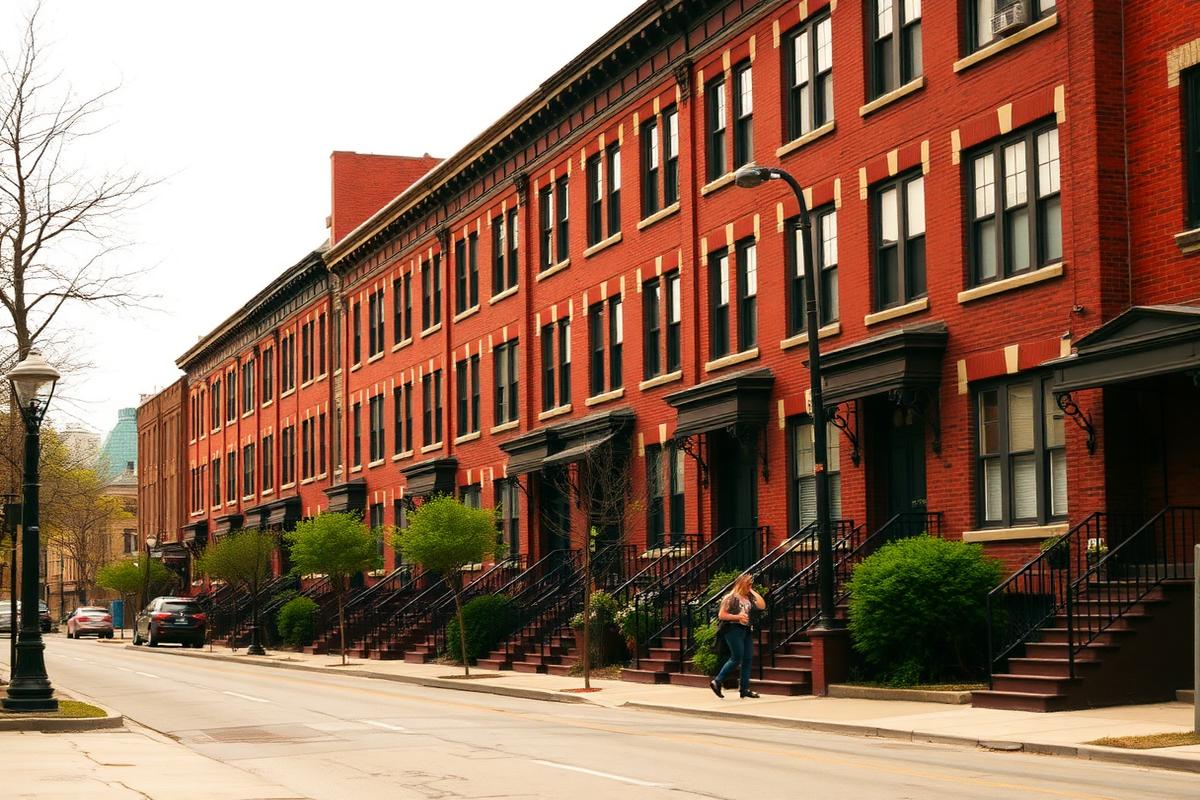
These Famine immigrants settled predominantly in areas like South Boston and Charlestown, and the North End, creating dense, vibrant, but often impoverished enclaves. They faced discrimination, prejudice, and harsh working conditions, taking on the most grueling jobs – building railroads, digging canals, and working in factories. But amidst the hardship, their resilience shone through. They established mutual aid societies, benevolent organizations, and above all, their churches, which became the bedrock of their community and a powerful source of comfort and strength.
To truly grasp this period, take a walk through the streets of South Boston, and envision the cramped tenement houses, the bustling docks, and the unwavering determination that allowed these new arrivals to not just survive, but eventually thrive. Consider the stories of people like Patrick and Mary Kennedy, who arrived in Boston from County Wexford in 1849, humble beginnings for a family that would one day produce a president.
The Rise of Irish Political Power
From the grit of manual labor and the solidarity of their neighborhoods, the Irish of Boston soon realized the power of collective action. Denied access to established societal structures, they turned to politics as their avenue for advancement and a platform to fight for their rights. By the late 19th and early 20th centuries, Irish-Americans began to dominate Boston's political landscape, a shift that reverberated across the nation.
Figures like James Michael Curley, a flamboyant and controversial four-time mayor and one-time governor, became symbols of this newfound power. Curley, often called 'The Last Hurrah's' Frank Skeffington, was a master orator and a champion of the working class, even if his methods were sometimes questionable. He understood the needs and desires of his constituents and used his political acumen to secure jobs, provide services, and challenge the city's old Protestant elite. This period saw the establishment of a robust political machine, fueled by loyalty, community ties, and a shared sense of identity.
The legacy of this political ascendancy is still deeply etched in Boston's civic identity. Visit City Hall Plaza, and think of the countless debates, decisions, and deals that shaped the city, many orchestrated by shrewd Irish politicians who knew how to play the game. The Irish weren't just participating in Boston's democracy; they were reshaping it from the ground up.
A Cultural Tapestry: Music, Dance, and Storytelling
Beyond politics and struggle, the Irish brought with them a rich cultural heritage that refused to be silenced. Music, dance, and storytelling were not just forms of entertainment; they were vital threads connecting them to their homeland and a means of preserving their identity in a new world. Kitchens and parlors across Southie and Charlestown would ring with the sound of fiddles, flutes, and bodhráns, accompanying sean-nós singing and lively céilidh dances.
Today, you can still experience this vibrant cultural expression. Many traditional Irish pubs, like The Black Rose on State Street, host live Irish music sessions several nights a week. You'll hear the timeless jigs and reels, the melancholic ballads, and the rousing pub songs that tell tales of love, loss, and the eternal spirit of Ireland. Attend a local Irish festival, often held in the warmer months, and witness the intricate footwork of Irish step dancers, their rhythms a testament to centuries of tradition.
These cultural expressions are more than just performances; they are a direct link to the emotional heart of Irish immigration. They are the stories told through music and movement, passed down through generations, ensuring that no matter how far from the Emerald Isle they've roamed, the song of Ireland continues to echo in Boston's streets.
The JFK Legacy: A Nation's Son
Perhaps no figure embodies the journey of the Irish in America more profoundly than John F. Kennedy. Born in Brookline, Massachusetts, into a prominent Irish Catholic family, his ascent to the presidency in 1960 marked a culmination of generations of struggle and achievement. His victory shattered centuries of prejudice, proving that an Irish Catholic could not only lead Boston but the entire nation.
The John F. Kennedy Presidential Library and Museum, spectacularly situated on Columbia Point, offers an immersive and moving experience into his life and times. As you explore the exhibits, you'll trace his family's immigrant roots, his early political career, and his transformative presidency. The library isn't just a tribute to a president; it’s a powerful testament to the American Dream realized through the unwavering determination of an Irish-American family.
His story is Boston's story writ large: the journey from hardship to prosperity, from the margins to the very center of power. JFK remains a potent symbol of what is possible when resilience, intelligence, and ambition merge with a deep understanding of one's heritage and a vision for the future.
South Boston: The Heart of the Irish Community
If you want to truly immerse yourself in Boston's Irish heritage, look no further than South Boston, affectionately known as 'Southie.' Once a stronghold for Famine immigrants and later a powerful working-class neighborhood, Southie retains an incredibly strong sense of community and Irish identity. While it has undergone significant gentrification, its roots run deep.
Walk down East Broadway and feel the pulse of the neighborhood. You'll find traditional Irish pubs, often adorned with shamrocks and historical photos, where locals gather for a pint and conversation. Head to the St. Patrick's Day Parade route in March, and experience an electric atmosphere as the entire city celebrates its Irish spirit. The parade is not just a festive occasion; it's a profound declaration of identity and pride.
Visit the South Boston Historical Society to delve deeper into the area's past, or simply spend an afternoon in one of its many parks, observing the community life. Southie is more than just a neighborhood; it's a living museum of Irish-American perseverance and cultural continuity. It teaches you that some traditions, some loyalties, are simply indelible.
Patriotism and the Boston Marathon
The Irish influence in Boston also extends to its deeply ingrained sense of patriotism and community spirit. From the early Fenian Brotherhood, which advocated for Irish independence, to the thousands of Irish-Americans who served in every American conflict, loyalty to both Ireland and the United States has been a defining characteristic. This dual allegiance fostered a uniquely Bostonian brand of civic pride and active engagement.
Consider the Boston Marathon, an event that, while not exclusively Irish, resonates with themes of endurance, community, and overcoming adversity. Many Irish-American runners and spectators view it as a powerful symbol of the city's resilience. The Marathon bombings, and the subsequent 'Boston Strong' outpouring of support, highlighted the deep-seated community bonds that owe much to the historic solidarity forged in neighborhoods like Southie and Charlestown.
The city's historical sites, from Faneuil Hall to the Freedom Trail, tell a story of independence and rebellion that spoke deeply to Irish immigrants. They found common cause with the American revolutionaries, recognizing in their struggle echoes of their own longing for self-determination. This shared spirit of defiance and liberty has made Boston a singular crucible for Irish-American identity.
Final Word
Boston’s Irish heritage is not a static chapter in history; it’s a dynamic and evolving narrative that continues to shape the city's present and future. From the stoic endurance of the Famine immigrants to the political prowess of the Kennedys, their journey is one of remarkable resilience, profound cultural contribution, and enduring civic pride. As you walk Boston’s historic streets, linger in its pubs, or cheer at its parades, you're not just visiting; you’re engaging with a living legacy. You're feeling the heartbeat of a community that found its voice, built its power, and etched its indelible mark on the soul of an American city. So, raise a glass, listen to the music, and let the spirit of the Emerald Isle in Boston captivate you.
Frequently Asked Questions
Where can I find the Boston Irish Famine Memorial?+
The Boston Irish Famine Memorial is located on the Freedom Trail between the Omni Parker House and Old South Meeting House, at the corner of Washington and School Streets, Boston, MA.
When is Boston's St. Patrick's Day Parade typically held?+
Boston's St. Patrick's Day Parade is usually held on the Sunday closest to March 17th in South Boston. The exact date can vary year to year, so check the official South Boston parade website for current information.
What significant historical sites in Boston relate to Irish American history?+
Key sites include the Boston Irish Famine Memorial, the John F. Kennedy Presidential Library and Museum, and various historical churches and neighborhoods such as South Boston and Charlestown, which were central to the Irish immigrant experience.
Are there guided tours in Boston focused on Irish heritage?+
Yes, several tour companies in Boston offer guided walking tours focusing on the city's Irish heritage, exploring historical neighborhoods, pubs, and significant landmarks. Check with local visitor centers for recommendations.
Sources & Further Reading
Spotted an error? See our corrections policy. Curious about our research? Read our editorial policy and sources.