All ArticlesHistory

    Tracing the Underground Railroad: Five Essential Sites

    W
    Whitebeavers Editorial Team
    Dec 26, 2025 · 8 min

    Reviewed against our editorial policy and sources.

    Tracing the Underground Railroad: Five Essential Sites

    From Maryland safehouses to Niagara crossings — places where the freedom network still speaks.

    From our reporting

    Exploring the Harriet Tubman Underground Railroad Byway in 2023, I was deeply moved by the quiet strength emanating from the landscapes that once offered hope and passage to so many seeking freedom.

    Key Takeaways

    • The Underground Railroad was not an actual railroad, but a secret network of routes and safe houses used by enslaved African Americans to escape to free states and Canada.
    • Key figures like Harriet Tubman, Levi Coffin, and William Still played pivotal roles in guiding and supporting freedom seekers.
    • Significant sites such as the Harriet Tubman Underground Railroad National Historical Park, Network to Freedom sites, and the National Underground Railroad Freedom Center offer immersive experiences into this complex history.
    • The network relied on various methods of escape, including disguises, coded messages, and the assistance of conductors and abolitionists.
    • The legacy of the Underground Railroad continues to inspire discussions about freedom, human rights, and the ongoing struggle for equality.

    Imagine a world where the very act of existing as a human being was a crime, where every shadow held not just fear, but also the potential for escape. For millions of enslaved people in 19th-century America, this was a stark reality, and for many, the clandestine network known as the Underground Railroad offered the only hope for a life of freedom. Today, the echoes of those courageous journeys resonate through landscapes across the nation, inviting us to bear witness to extraordinary acts of bravery, ingenuity, and profound human kindness.

    As thoughtful travelers, you understand that history isn't just dates and names in a textbook; it's a living narrative etched into the very soil beneath our feet. Join us as we journey to five essential sites, places where the spirit of the Underground Railroad still whispers tales of peril and perseverance, guiding us toward a deeper understanding of America's complex past and the enduring power of the human spirit.

    Dover, Delaware: The Crossroads of Courage

    Our journey begins in Dover, Delaware, a state unique in its precarious position during the antebellum era. As a border state, Delaware was a crucial, yet incredibly dangerous, corridor for freedom seekers. While officially a slave state, it boasted a significant population of free blacks and Quakers, many of whom were deeply committed to the abolitionist cause. This created a complex web of allies and adversaries, making every step taken on its soil fraught with peril.

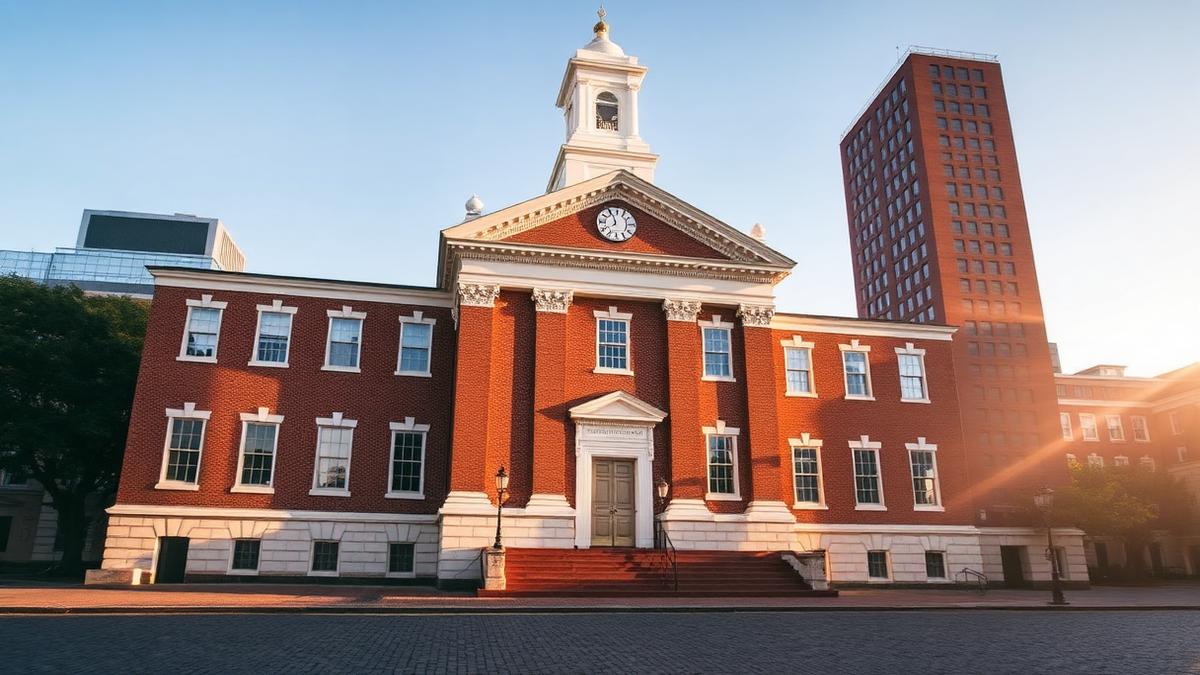
    When you visit Dover, you'll feel the weight of this history, particularly at sites like the Old State House. While the building itself served governmental functions, its presence here in the heart of Dover reminds us of the stark legal realities faced by those seeking freedom. Close by, the First State Heritage Park offers walking tours that often touch upon the Underground Railroad, guiding you through streets and past buildings that once played silent roles in epic human dramas. Imagine the hushed conversations, the quick glances, and the palpable tension as enslaved individuals, often with the help of local conductors, navigated this delicate landscape.

    The Delaware Public Archives, though not directly an Underground Railroad site, offers invaluable resources for those wishing to delve deeper, with records and documents that shed light on the lives of both enslaved people and those who aided their escape. It's here, poring over old ledgers and testimonies, that you can begin to connect the dots and understand the intricate local networks that formed the lifeblood of the Underground Railroad in this pivotal border state.

    Harriet Tubman Underground Railroad Byway, Maryland: The Moses of Her People

    No exploration of the Underground Railroad would be complete without paying homage to its most iconic conductor, Harriet Tubman. The Harriet Tubman Underground Railroad Byway in Dorchester County, Maryland, immerses you in the very landscapes she knew intimately as both an enslaved person and a liberator. This sprawling scenic byway, a National Historic Landmark, traces her footsteps through swamplands, dense forests, and hidden creeks – the very terrain she navigated at night, leading hundreds to freedom.

    Your experience here will be deeply visual and sensory. Visit the Harriet Tubman Underground Railroad Visitor Center, a modern facility that beautifully contextualizes her life and work, offering exhibits, films, and an orientation to the byway. From there, drive or cycle the byway, stopping at significant points like the Brodess Farm (where she was born), the Bucktown Village Store (a preserved general store from Tubman’s time, allowing you to glimpse the everyday context of her world), and the mesmerizing Blackwater National Wildlife Refuge, whose vast marshes and woodlands provided cover for Tubman and her passengers.

    As you stand in these quiet, rural areas, you can almost hear the rustle of leaves and the distant cry of an owl – the sounds that would have accompanied her perilous journeys. Learn about her incredible courage, her unwavering faith, and her ingenious methods, including the use of spirituals as coded messages and her masterful understanding of the natural environment. Tubman’s story is not just one of escape, but of relentless returning, risking her own freedom time and again to bring others to theirs. Remember her indomitable spirit as you traverse this sacred landscape, a testament to her legacy as "Moses of her people."

    Rochester, New York: Frederick Douglass's Northern Star

    Head north from Maryland, following the paths many freedom seekers hoped to take, and you'll arrive in Rochester, New York, a vibrant city that served as a critical hub in the northern network of the Underground Railroad. This was the home of Frederick Douglass, the towering abolitionist, orator, and writer, whose powerful voice became an international beacon for human rights. Rochester offered not only a haven but also a platform for advocating for the end of slavery.

    While Douglass’s original home no longer stands, the city honors his memory and the legacy of abolition through various sites. The Frederick Douglass Monument in Highland Park was the first monument in the United States erected to honor an African American, dedicated in 1899. Imagine standing before it, a testament to his profound impact. You can also visit Mount Hope Cemetery, where Douglass is buried alongside Susan B. Anthony, another influential Rochesterian and fierce advocate for civil rights. Their proximity in death reflects their shared cause in life.

    Rochester was also a significant stop on the Liberty Trail, a self-guided experience that highlights various Underground Railroad safe houses and meeting places throughout the city. Consider visiting the former site of the AME Zion Church, a known destination for freedom seekers and a place where Douglass frequently spoke. The local historical society and museums can provide further insights into Rochester's abolitionist movement, detailing how local citizens, black and white, collaborated to aid those on their difficult journey north. Here, you'll understand that the Underground Railroad wasn't just about escape, but about building a new life and continuing the fight for justice.

    Niagara Falls, New York & Ontario, Canada: The "Promised Land" Beckons

    For many freedom seekers, the ultimate destination was Canada, a land where slavery had been abolished and the threat of re-enslavement was significantly diminished. Niagara Falls, both on the U.S. and Canadian sides, became a powerful symbol and a crucial crossing point, often referred to as the "Promised Land." The roar of the falls, a natural wonder, must have seemed like the very voice of freedom to those who had endured so much to reach its banks.

    On the American side, visit the Niagara Falls Underground Railroad Heritage Center, located within the historic U.S. Custom House. This indispensable center offers moving exhibits that tell the stories of those who crossed into Canada, particularly focusing on the role of the Suspension Bridge and the courage of figures like conductor Josiah Henson (the inspiration for Uncle Tom's Cabin). The exhibits are thoughtfully designed, allowing you to experience the emotional weight and strategic brilliance of these final journeys across the border. Imagine the apprehension and then the overwhelming relief as one stepped onto Canadian soil.

    Then, cross the border yourself into Niagara-on-the-Lake, Ontario. Here, you'll find the British Methodist Episcopal Church – Salem Chapel, a National Historic Site of Canada. This church, built by and for former enslaved people, served as John Brown's headquarters leading up to his raid on Harpers Ferry and was a vibrant community center for those who had found freedom. As you sit in its modest pews, you can feel the spirit of resilience and community that thrived here. Consider also visiting the Nathaniel Dett Memorial Chapel in Niagara Falls, Ontario, another significant site that housed newly arrived freedom seekers. The sense of arrival, of finally being safe, is palpable in these historic places.

    Oberlin, Ohio: An Abolitionist Hotbed

    Our final recommended stop takes us inland to Oberlin, Ohio, a town that was not merely a stop on the Underground Railroad, but a veritable engine of the abolitionist movement. Founded in 1833, Oberlin College was groundbreaking, admitting students regardless of race or gender from its earliest days. This commitment to equality permeated the entire town, creating an environment fiercely dedicated to racial justice and a safe haven for those fleeing bondage.

    When you visit Oberlin, you'll immediately sense its distinctive character. The Oberlin Heritage Center offers walking tours and exhibits that vividly recount the town's radical history. You'll learn about the Oberlin-Wellington Rescue of 1858, a pivotal event where townspeople and students forcibly rescued a freedom seeker, John Price, from professional slave catchers, defying the Fugitive Slave Act and resulting in the arrest of several prominent Oberlinians. This act of defiance solidified Oberlin’s reputation as a powerful center of resistance.

    Take time to walk through the historic college campus, knowing that figures like Lucy Stone and Charles Finney once walked these paths, shaping the intellectual and moral landscape of the abolitionist movement. The First Church in Oberlin, with its long history of social activism, stands as a testament to the community's unwavering commitment. Oberlin demonstrates that the Underground Railroad was not solely about clandestine movements in the dead of night, but also about organized, overt resistance, intellectual debate, and the creation of communities built on principles of justice and equality. It’s a powerful reminder of how ordinary citizens, united by a cause, can effect extraordinary change.

    Final Word

    Visiting these sites is more than just a historical excursion; it's an immersive experience that deepens our understanding of America's journey toward freedom. By walking in the footsteps of those who dared to dream of liberty, by standing in places where courageous acts unfolded, you connect with a profound chapter of our national story. The Underground Railroad reminds us of the enduring human desire for freedom, the extraordinary risks taken to secure it, and the moral imperative to continue the fight for justice in our own time.

    Frequently Asked Questions

    What was the Underground Railroad?+

    The Underground Railroad was a clandestine network of routes and safe houses used by enslaved African Americans for escape to free states and Canada during the 19th century, aided by abolitionists and allies.

    Who was Harriet Tubman and what was her role?+

    Harriet Tubman was an iconic conductor on the Underground Railroad, personally leading over 300 enslaved people to freedom. She was known as 'Moses of her People' for her bravery and unwavering commitment.

    Can I visit authentic Underground Railroad sites today?+

    Yes, numerous sites are preserved, including the Harriet Tubman Underground Railroad National Historical Park in Maryland, Network to Freedom sites across several states, and the National Underground Railroad Freedom Center in Cincinnati, Ohio.

    Are there guided tours available for Underground Railroad sites?+

    Many historical sites and parks offer guided tours, ranger programs, and interactive exhibits. Check with individual sites like the Harriet Tubman Visitor Center or the National Underground Railroad Freedom Center for specific tour schedules and booking information.

    What resources are available for learning more about the Underground Railroad?+

    The National Park Service's Network to Freedom program, the National Underground Railroad Freedom Center, and the Library of Congress provide extensive digital archives, historical documents, and educational materials for in-depth study.

    Sources & Further Reading

    Spotted an error? See our corrections policy. Curious about our research? Read our editorial policy and sources.