All ArticlesHistory

    St. Augustine: Walking America's Oldest City

    W
    Whitebeavers Editorial Team
    May 02, 2026 · 7 min

    Reviewed against our editorial policy and sources.

    St. Augustine: Walking America's Oldest City

    Founded in 1565, this Florida gem predates Jamestown by 42 years — here's what makes it unforgettable.

    From our reporting

    Our visit to St. Augustine in early 2024 revealed the city's charming cobblestone streets and the unforgettable scent of salt air mixed with blooming jasmine.

    Key Takeaways

    • St. Augustine is the longest continuously inhabited European-established settlement in the United States, founded in 1565.
    • Key attractions include the Castillo de San Marcos, St. George Street, and the St. Augustine Pirate & Treasure Museum.
    • The city offers a rich blend of Spanish colonial history, Gilded Age architecture, and coastal beauty.
    • Visitors can explore historical sites, unique shops, diverse restaurants, and vibrant cultural events.

    Imagine a place where the air hums with centuries of stories, where every cobblestone whispers tales of explorers, empires, and enduring spirit. This isn't some far-off European village; it's St. Augustine, Florida, a captivating American city that proudly claims the title of the nation's oldest continuously inhabited European-established settlement. Step back in time with us to discover a truly remarkable gateway to America's foundational past.

    The Dawn of a New World: A Spanish Legacy

    Before the Pilgrims ever set foot on Plymouth Rock, before Jamestown was even a whisper in King James's court, Spanish explorer Don Pedro Menéndez de Avilés founded St. Augustine on September 8, 1565. Tasked by King Philip II to drive out French Huguenots who had dared to settle in Spanish Florida, Menéndez succeeded, not only securing the territory for Spain but also establishing a strategic outpost that would become critical for protecting the treasure fleets sailing from the New World. You might feel a profound sense of connection to this 16th-century saga as you walk the historic streets, knowing that adventurers and settlers once navigated these very paths with similar hopes and fears.

    The city's earliest days were fraught with challenges—disease, Native American resistance, and attacks from rival European powers, most notably Sir Francis Drake in 1586, who sacked and burned much of the nascent settlement. Yet, St. Augustine endured. Its resilience became a hallmark of its character, a testament to the Spanish crown’s determination to maintain a foothold in North America. As you delve into its history, you’ll find that this initial period set a precedent for a city that would repeatedly rebuild, adapt, and ultimately, thrive against all odds.

    Standing Guard: The Castillo de San Marcos

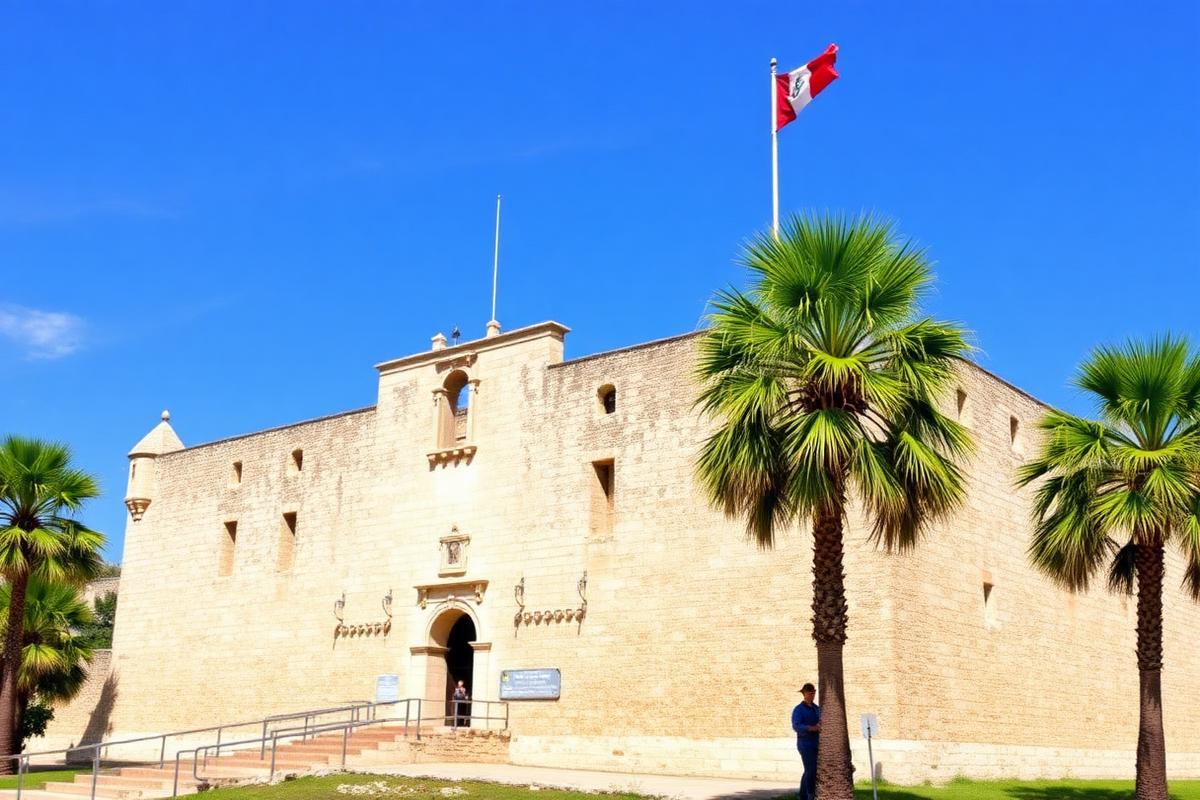
    No visit to St. Augustine is complete without spending ample time at the Castillo de San Marcos, North America's oldest masonry fort. This magnificent structure, built from local coquina stone—a composite of shells and sand—began construction in 1672 and took 23 years to complete. Its distinctive star shape, designed to deflect cannon fire, has seen over 340 years of history unfold, serving as a silent witness to Spanish, British, and American rule.

    As you cross the moat and step through the sally port, you're not just entering a building; you're stepping into a living museum. Imagine the sentries pacing its walls, the rumble of cannons, and the strategic machinations that played out within its sturdy confines. The Castillo’s dark, cool casemates and formidable bastions offer a tangible connection to military life in colonial times. Don't miss the regular cannon firings and historical reenactments, which vividly bring the fort's storied past to life, allowing you to almost feel the percussive blast and smell the sulfurous smoke of a bygone era.

    Wandering the Historic Plaza de la Constitución

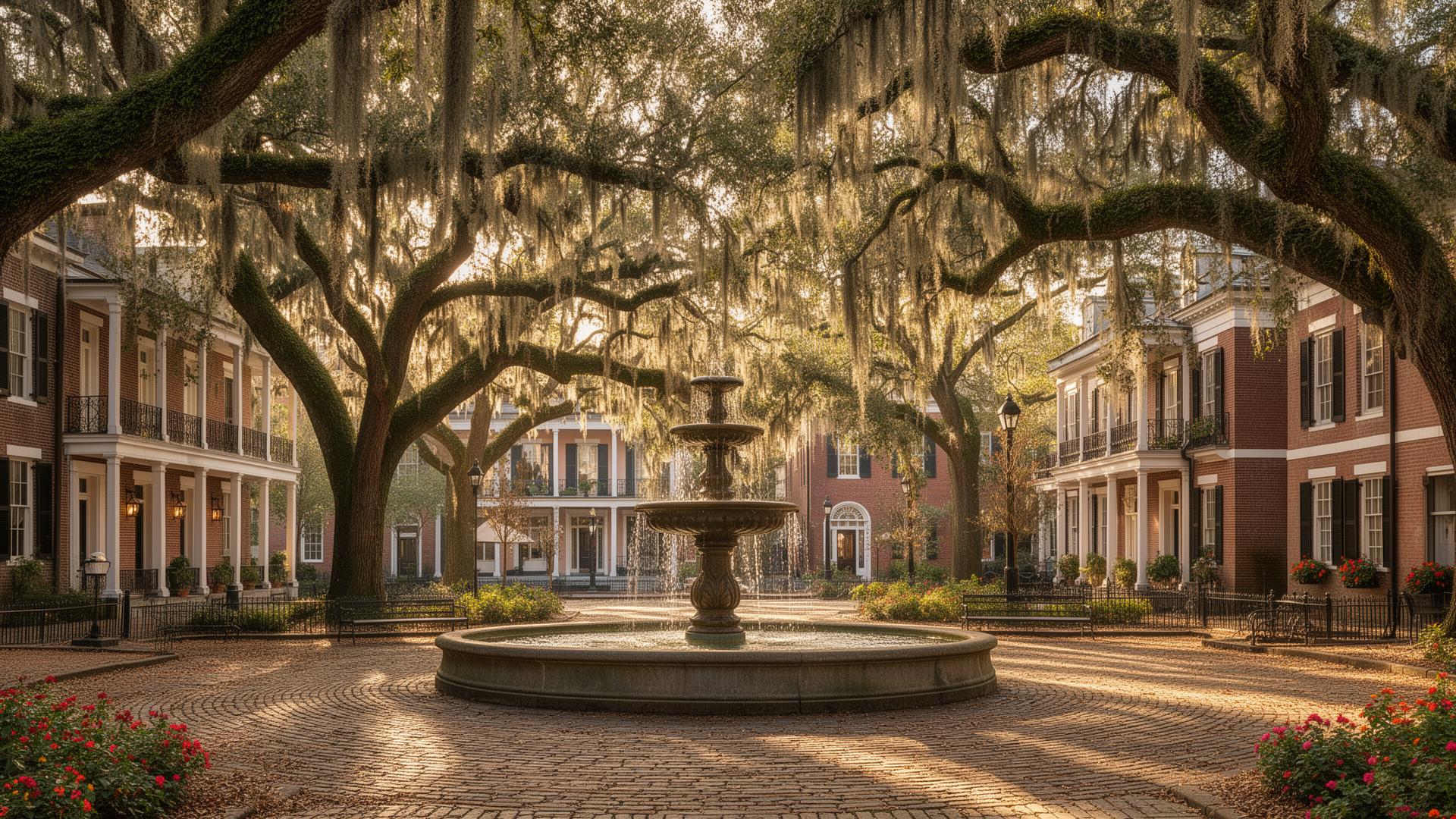
    At the very heart of St. Augustine’s historic district lies the Plaza de la Constitución, the oldest public square in the United States. Established when the city was first surveyed, this verdant space has served as a central gathering point for parades, markets, and public announcements for centuries. It's a place where you can sit and absorb the city’s pulse, much as townspeople have done for hundreds of years, watching the world go by. The impressive obelisk in the center commemorates the liberal Spanish Constitution of 1812, further highlighting the city's deep Spanish roots.

    Flanked by architecturally significant buildings, including the Government House and the Basilica Cathedral of St. Augustine, the Plaza offers a perfect vantage point to appreciate the city's distinct blend of colonial styles. Take a moment to imagine the grand celebrations and solemn ceremonies that have unfolded here. Perhaps you'll catch the clip-clop of a horse-drawn carriage passing by, adding to the timeless charm and enhancing the sense that history is not just preserved here, but actively lived.

    Gilded Age Grandeur: Flagler's Vision

    While its Spanish heritage is undeniable, St. Augustine also bears the indelible mark of Henry Flagler, the industrialist and co-founder of Standard Oil, who, in the late 19th century, transformed the city into a winter playground for America’s elite. Flagler envisioned St. Augustine as the "Newport of the South" and invested millions, building luxurious hotels and extending his Florida East Coast Railway to bring wealthy visitors to its sun-drenched shores. This period, known as the Gilded Age, infused the city with a layer of opulent grandeur that beautifully contrasts with its older, more rustic charm.

    His most iconic creation, the Hotel Ponce de Leon, constructed in 1888, is a masterpiece of Spanish Renaissance architecture, featuring intricate murals, stained glass by Louis Tiffany, and pioneering use of poured concrete. Today, this magnificent building serves as Flagler College, a testament to Flagler's lasting legacy. As you stroll past its elaborate gates and gaze at its majestic towers, you can almost hear the faint echo of society balls and whispered conversations, transported to a time when wealth and leisure shaped this corner of Florida.

    Beyond the Cobblestones: Unique St. Augustine Experiences

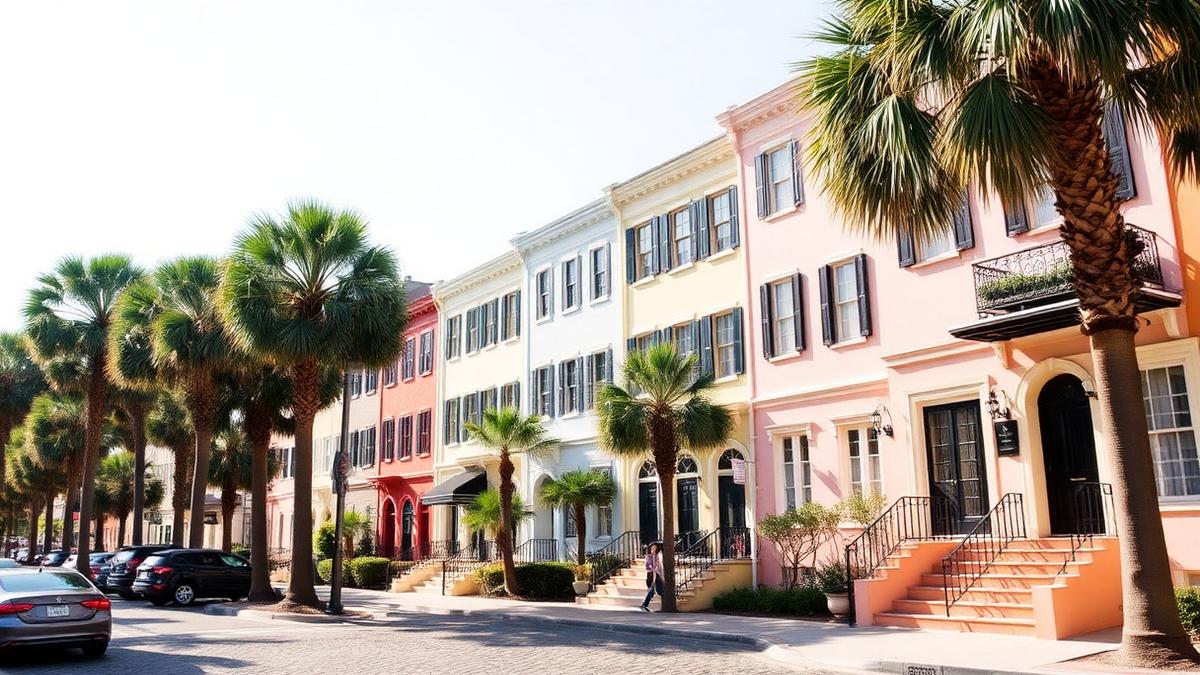
    St. Augustine offers more than just stately forts and grand hotels; it invites you to explore its unique character at every turn. Take a leisurely walk along St. George Street, a bustling pedestrian thoroughfare where historic buildings now house quaint shops, art galleries, and restaurants. Here, the aroma of fresh-baked bread mingles with the salty sea air, creating an unforgettable sensory experience. You might discover a hidden courtyard, stumble upon a street musician, or find the perfect handcrafted souvenir that encapsulates your visit.

    Consider an evening ghost tour for a different perspective on the city’s past. Given its long history of conflict, disease, and dramatic events, it’s no surprise that St. Augustine is considered one of America’s most haunted cities. These tours, often led by knowledgeable storytellers, offer a captivating blend of local legends, documented accounts, and a spooky atmosphere, allowing you to glimpse the city's darker, more mysterious side after dark. It’s a fun and engaging way to connect with the city’s deep historical tapestry.

    A Culinary Journey Through Time

    Your journey through St. Augustine wouldn't be complete without savoring its diverse culinary landscape, which reflects its multicultural heritage. From Spanish tapas to fresh Atlantic seafood, the city offers a delightful array of flavors. Imagine dining in a restaurant housed in a colonial-era building, where the ambiance itself tells a story. Look for establishments that specialize in Minorcan clam chowder, a local delicacy with a unique Datil pepper kick, a nod to the Minorcan indentured servants who arrived in the region in the late 18th century.

    Beyond the historical ambiance, you'll find modern dining experiences that blend contemporary cuisine with local ingredients. Whether you opt for a fine dining experience overlooking Matanzas Bay or a casual meal at a historic tavern, St. Augustine’s food scene is as rich and layered as its history. It’s an opportunity to truly taste the influences that have shaped this vibrant community over centuries, creating a delicious narrative for your palate.

    Embracing the Oldest City's Charm

    As you prepare to depart from St. Augustine, you’ll undoubtedly carry a treasure trove of memories and a renewed appreciation for America’s complex origins. The city’s ability to preserve its past while embracing the present is truly remarkable. From the imposing walls of the Castillo to the delicate stained glass of Flagler College, each landmark tells a crucial chapter of the American story, reminding us that our nation's history began long before 1776.

    Walking its ancient pathways, feeling the coquina beneath your feet, and breathing in the salty breeze, you'll discover that St. Augustine isn't just a collection of historical sites; it’s a living, breathing testament to endurance, cultural fusion, and the relentless human spirit. It beckons you to return, to uncover more of its hidden gems, and to continue your exploration of America's captivating and often surprising foundational narrative.

    Final Word

    St. Augustine is more than just a destination; it's an immersive historical journey. It’s a place where every corner turned reveals another layer of American history, patiently waiting to be discovered. So, pack your bags, set your compass south, and prepare to be enchanted by the timeless allure of America's oldest city. You're not just visiting St. Augustine; you're stepping into the very first chapter of the American story.

    Frequently Asked Questions

    What is the best way to explore St. Augustine's historic district?+

    The best way to explore St. Augustine's historic district is on foot, allowing you to discover hidden courtyards and intricate architectural details. Consider a walking tour for deeper insights into the city's past.

    Are there guided tours available at Castillo de San Marcos and how much do they cost?+

    Yes, the Castillo de San Marcos offers ranger-led programs and self-guided tours daily. Entrance is $15 for adults (16+), and children 15 and under are free. Operating hours are 9:00 AM to 5:00 PM, with the last entry at 4:30 PM.

    What are the must-see historical sites in St. Augustine?+

    Must-see historical sites include the Castillo de San Marcos, the St. Augustine Lighthouse & Maritime Museum, the Lightner Museum, and the historic buildings along St. George Street.

    Where can I find information about St. Augustine's founding and early history?+

    Information about St. Augustine's founding and early history can be found at the St. Augustine Historical Society, the Fountain of Youth Archaeological Park, and the official Visitor Information Center.

    Sources & Further Reading

    Spotted an error? See our corrections policy. Curious about our research? Read our editorial policy and sources.