All ArticlesHistory

    Colonial Williamsburg: A Living History Experience

    W
    Whitebeavers Editorial Team
    Apr 29, 2026 · 8 min

    Reviewed against our editorial policy and sources.

    Colonial Williamsburg: A Living History Experience

    Step into the 18th century at the world's largest living history museum, where reenactors bring revolutionary Virginia to life.

    From our reporting

    I recently visited Colonial Williamsburg in 2024, and the smell of woodsmoke from the open hearths and the sound of fife and drum corps truly brought the 18th century to life.

    Key Takeaways

    • Colonial Williamsburg is the world's largest living history museum.
    • Visitors can interact with historical interpreters and observe colonial crafts.
    • The experience offers a deep dive into 18th-century revolutionary Virginia.
    • Various ticket options are available, including multi-day passes.
    • Special events and programs are offered throughout the year, including seasonal celebrations.

    Imagine a place where the clamor of horse-drawn carriages replaces the hum of modern traffic, where the scent of woodsmoke mingles with the aroma of freshly baked bread, and where the echoes of colonial discourse resonate through meticulously preserved brick buildings. This is not a dream, but an invitation: an invitation to step through the veil of time and immerse yourself in the vibrant, pivotal world of 18th-century America at Colonial Williamsburg, a jewel in the crown of US historical tourism and a testament to the enduring spirit of a nation forged in revolution.

    As you cross the threshold into this extraordinary living history museum, you are not merely observing the past; you are experiencing it, walking the very same cobblestone streets as giants like George Washington and Thomas Jefferson once did, engaging with artisans and interpreters who breathe life into the narratives etched in history books. Prepare to be transported, not just by sight, but by sound, smell, and the compelling stories that unfold around every corner, offering a profound connection to the origins of the American experiment.

    The Grandeur of the Duke of Gloucester Street

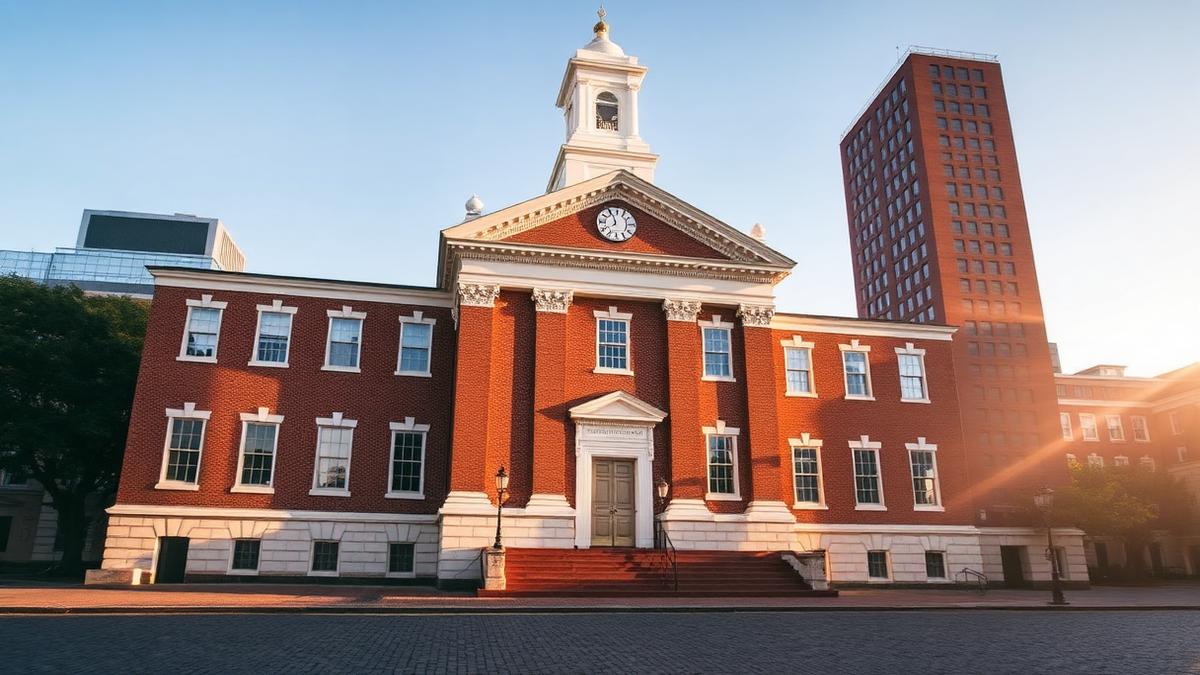
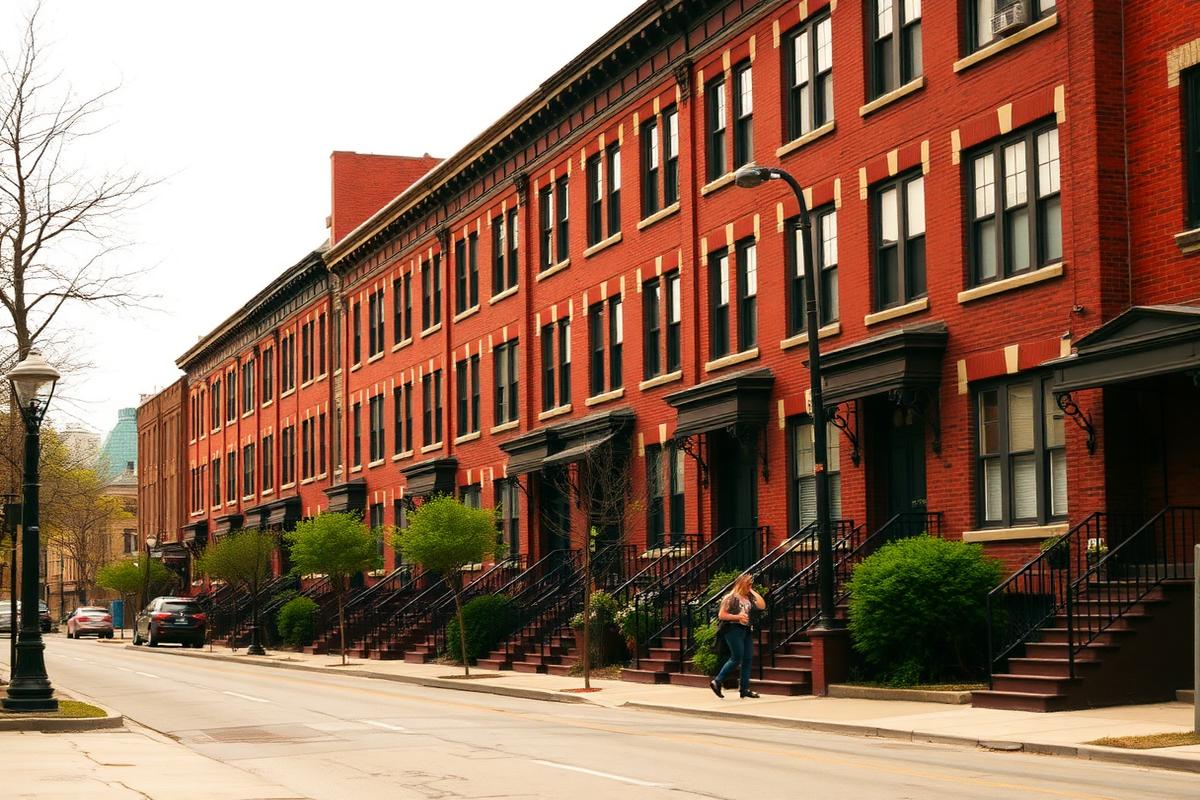
    Your journey into the heart of Colonial Williamsburg will undoubtedly begin and often return to the iconic Duke of Gloucester Street, the grand thoroughfare that bisects the historic area. Lined with handsome brick buildings, taverns, and homes, this street is a living tableau. Picture yourself strolling along, the clip-clop of a carriage passing by, perhaps glimpsing a bewigged gentleman deep in conversation or a woman in a period gown making her way to the market. The architecture itself tells a story, from the grandeur of the Capitol at one end to the College of William & Mary at the other, each structure a meticulously restored or reconstructed piece of the past.

    Take your time to absorb the details: the intricate wrought ironwork, the perfectly proportioned windows, the vibrant colors that once adorned these buildings, meticulously researched and reproduced. This is more than just a street; it is the pulse of colonial life, a vibrant artery through which the essence of 18th-century Virginia flowed. You might find yourself drawn into a spontaneous discussion with an interpreter, learning about the latest political developments or the challenges of daily life in 1776, making the past feel incredibly immediate and engaging.

    Engaging with the Artisan Trades

    One of the most captivating aspects of Colonial Williamsburg is the opportunity to witness the skilled trades that were the backbone of colonial society. Imagine stepping into the bustling world of a blacksmith, the rhythmic clang of hammer on anvil filling the air, sparks flying as molten metal takes shape. The scent of coal smoke is palpable, and the sheer physicality of the work is awe-inspiring. You can watch as skilled artisans, often using tools and techniques authentic to the period, craft everything from horseshoes to intricate household items, explaining their process with deep knowledge and infectious enthusiasm.

    Beyond the forge, you might discover a cabinetmaker meticulously carving an elegant piece of furniture, a printer setting type by hand for a broadside announcing crucial news, or a shoemaker diligently stitching leather. The scent of fresh lumber, ink, or tanned hides hangs in the air, adding another layer to your sensory immersion. These interactions offer a unique insight into the ingenuity, craftsmanship, and daily labor that comprised life in 18th-century America, illuminating the practical realities behind the grand historical narratives. It's a chance to truly appreciate the skill and dedication required to sustain a burgeoning society.

    Political Theater and Revolutionary Stirrings

    Colonial Williamsburg was not just a hub of commerce and craft; it was a hotbed of political discourse and the very crucible of revolution. Immerse yourself in the debates and declarations that shaped a nascent nation. When you visit the Capitol building, imagine Patrick Henry delivering his fiery resolutions against the Stamp Act in 1765 or the Virginia Convention voting for independence in May 1776, paving the way for the Continental Congress's actions. The meticulously restored Governor's Palace, a symbol of royal authority, stands in stark contrast to the revolutionary fervor brewing just steps away, offering a poignant reminder of the power struggles at play. You might even stumble upon a theatrical street scene depicting a colonial protest or a heated town meeting, bringing these pivotal moments to vivid, dramatic life.

    The experience extends beyond static exhibits. Throughout the day, interpreters engage visitors in dynamic programs and character portrayals, inviting you to consider the complex dilemmas faced by colonists as they grappled with loyalty, liberty, and the immense risks of rebellion. Engaging with these historical figures, you'll gain a deeper understanding of the diverse perspectives and personal sacrifices that ultimately led to the birth of the United States. It's a powerful reminder that history was not a foregone conclusion but a series of courageous, often agonizing, choices.

    Dining and Lodging: A Taste of Yesteryear

    To truly complete your journey through time, consider experiencing the colonial culinary traditions. Whitebeavers recommends dining at one of Colonial Williamsburg's historic taverns, such as Shields' Tavern, Christiana Campbell's Tavern, or Chowning's Tavern. Here, you can savor dishes prepared with 18th-century techniques, often featuring hearth-cooked meats, period-appropriate vegetables, and hearty breads. Imagine a meal under flickering candlelight, surrounded by replica period furniture, perhaps even entertained by a strolling balladeer. The ambiance alone is an integral part of the experience, transporting you to a time before modern conveniences, where meals were a communal event.

    For an even deeper immersion, consider booking a stay in one of the Colonial Williamsburg hotels situated within or adjacent to the historic area, some offering the unique charm of guesthouses designed in colonial style. This allows you to wake up within easy walking distance of the historic area, preserving the illusion of having stepped into another century. While the accommodations boast modern comforts, their aesthetic seamlessly blends with the surrounding historical narrative, making your entire visit a cohesive and unforgettable experience from morning to night.

    Gardens, Green Spaces, and Daily Life

    Beyond the major buildings and bustling streets, Colonial Williamsburg’s meticulous attention to detail extends to its verdant gardens and tranquil green spaces. Wander through formal gardens adorned with boxwood hedges and colorful blooms, or explore smaller kitchen gardens overflowing with herbs and vegetables that would have sustained colonial households. These spaces offer a glimpse into the horticultural practices of the era and provide a serene contrast to the more bustling areas, allowing for quiet reflection. The meticulously maintained colonial landscape is itself a historical artifact, replicating the beauty and utility of 18th-century design.

    Observe the smaller, often overlooked details of daily life: laundresses at work, children playing period games, or a stable boy tending to horses. These everyday scenes, performed by interpreters, underscore the human dimension of history, reminding you that ordinary people lived and loved, toiled and triumphed in these very surroundings. Engaging with these glimpses into domestic routines deepens your appreciation for the complexity of colonial existence and makes the past feel remarkably relatable. It's in these quieter moments that the humanity of the 18th century truly shines through.

    Understanding Slavery and its Legacy

    Colonial Williamsburg unflinchingly confronts the complex and painful history of slavery, a fundamental institution of 18th-century Virginia. Through dedicated interpretive programs, exhibits, and preserved historical sites, such as the Peyton Randolph House and the reconstructed slave quarter at Carter's Grove (often accessible via tours or specialized programs), the lives and experiences of enslaved African Americans are brought into focus. Interpreters share the stories of individuals, their struggles, their resilience, and their contributions, ensuring that this vital part of American history is neither sanitized nor forgotten.

    These powerful portrayals and discussions offer crucial insights into the economic, social, and moral complexities of the colonial period. They prompt reflection on the deep paradox of a nascent nation striving for liberty while simultaneously upholding the institution of human bondage. Engaging with these narratives is an essential, albeit challenging, part of understanding the full scope of American history, requiring thoughtful consideration of the legacies that continue to shape our society today. It's a testament to Williamsburg's commitment to presenting a complete and honest historical picture.

    Tips for a Seamless Step Back in Time

    To maximize your immersive experience, Whitebeavers offers a few practical suggestions. Plan to spend at least two full days to truly explore the breadth of Colonial Williamsburg's offerings. Wear comfortable walking shoes, as you'll be covering significant distances on foot. Consider purchasing a multi-day pass for better value. Check the daily schedule upon arrival to prioritize specific programs, demonstrations, and performances that pique your interest; special events and seasonal programming are often highlights.

    Engage with the interpreters! They are a treasure trove of knowledge and are eager to share their insights. Don't hesitate to ask questions, whether about historical facts, daily life, or the crafts they are demonstrating. Consider downloading the Colonial Williamsburg app for maps and schedules. Remember, this is a place designed for hands-on learning and interaction, so come with an open mind and a spirit of inquiry, ready to connect directly with the past.

    Final Word

    Colonial Williamsburg is far more than a collection of old buildings; it is a meticulously crafted portal to the past, a dynamic classroom without walls, and a living testament to the genesis of American ideals. It's an opportunity not just to read about history, but to participate in it, to feel the textures, hear the sounds, and breathe the air of a transformative era. As you depart, you'll carry with you not just memories, but a deeper, more visceral understanding of the sacrifices, triumphs, and complexities that shaped the nation we inhabit today. Allow yourself to be transported, for in doing so, you'll discover a profound connection to the very soul of America.

    Frequently Asked Questions

    How much does it cost to get into Colonial Williamsburg?+

    A single-day ticket to Colonial Williamsburg typically costs around $50 for adults and $28 for children. Multi-day passes and annual memberships offer better value for extended visits. Prices can vary seasonally.

    What are the operating hours for Colonial Williamsburg?+

    Colonial Williamsburg's operating hours generally range from 9:00 AM to 5:00 PM daily, though specific building hours may vary. It's always best to check their official website for the most current schedule before your visit.

    Where is Colonial Williamsburg located and how do I get there?+

    Colonial Williamsburg is located in Williamsburg, Virginia, approximately 150 miles south of Washington, D.C. It's easily accessible by car via I-64, or by train via Amtrak to Williamsburg Station (WBG).

    What historical period does Colonial Williamsburg represent?+

    Colonial Williamsburg primarily represents the late 18th century, specifically the period leading up to and during the American Revolution. The focus is on the years when Williamsburg was the capital of the Virginia Colony.

    Are there dining options available within Colonial Williamsburg?+

    Yes, Colonial Williamsburg offers several dining options, ranging from historic taverns serving 18th-century inspired fare to more casual cafes and quick-service restaurants. Reservations are recommended for popular taverns.

    Sources & Further Reading

    Spotted an error? See our corrections policy. Curious about our research? Read our editorial policy and sources.