Savannah's St. Patrick's Day: America's Most Surprising Parade
Reviewed against our editorial policy and sources.
Why a Southern city throws one of the biggest Irish parties on Earth — and how to experience it like a local.
From our reporting
I personally witnessed the vibrant green spectacle of Savannah's St. Patrick's Day parade in 2023, feeling the lively energy of the crowds and the festive atmosphere.
Key Takeaways
- Savannah's St. Patrick's Day celebration is one of the largest in the United States, attracting hundreds of thousands of visitors annually.
- The parade route winds through the historic district, with pre- and post-parade festivities taking place in Forsyth Park and River Street.
- While celebrating, consider visiting other historical sites in Savannah like the Owens-Thomas House & Slave Quarters or the Telfair Academy of Arts and Sciences.
- Embrace the local tradition of "greening" the fountains, a unique Savannah custom.
- Book accommodations and transportation well in advance, as the city fills up quickly for the festivities.
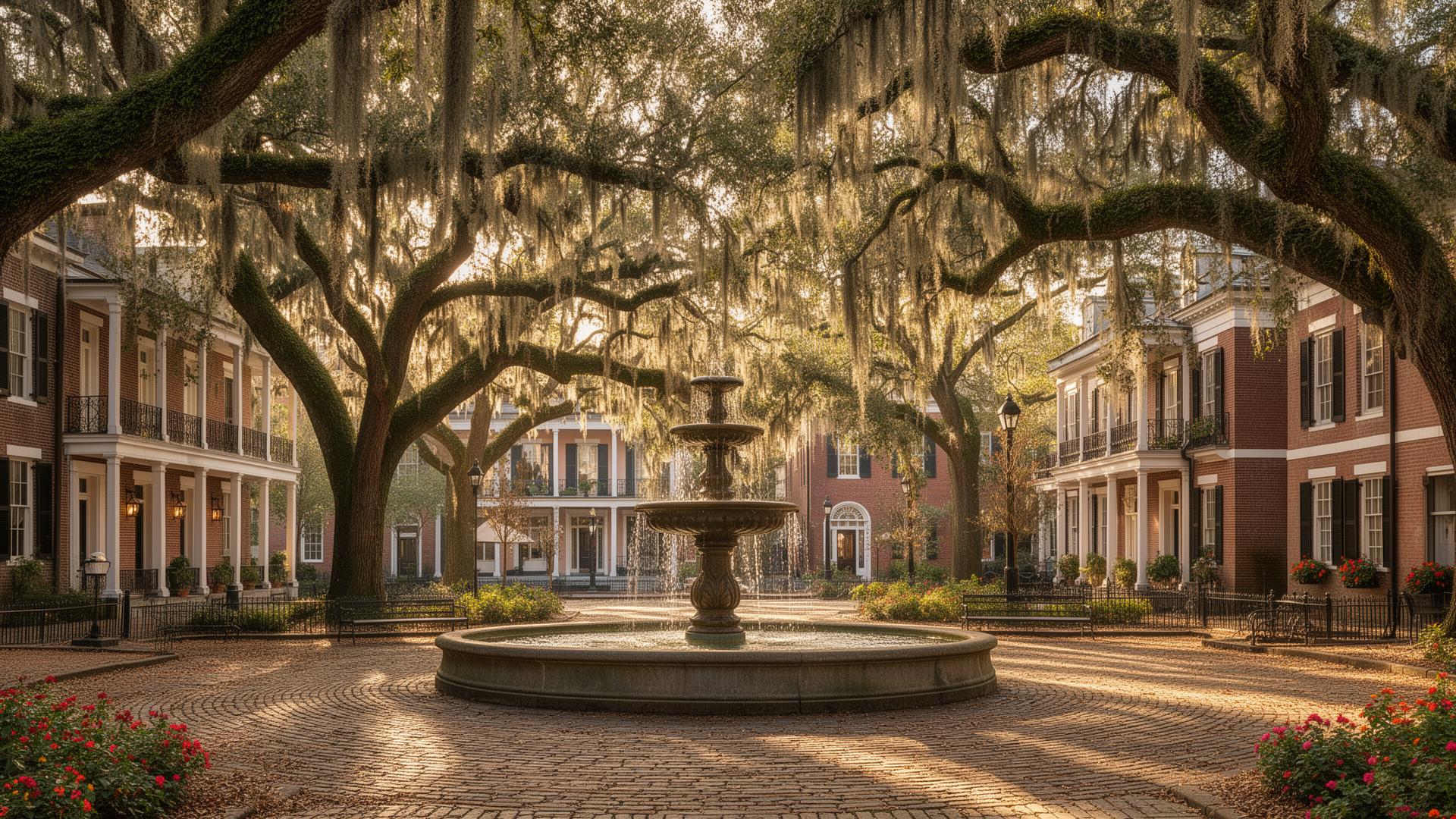
Imagine cobblestone streets, draped in Spanish moss and history, suddenly erupting in a tidal wave of emerald green. Picture the air thick not just with the scent of magnolias, but with the joyous revelry of bagpipes, overflowing pubs, and a sea of revelers celebrating a heritage thousands of miles away, yet deeply rooted in this charming Southern city. This is Savannah on St. Patrick's Day, a spectacle that transforms the genteel Georgian gem into the epicenter of America’s most unexpected, and arguably most authentic, Irish celebration.
More Than Just a Parade: A Century-Old Tradition
You might assume that America’s grandest St. Patrick’s Day parades belong to bustling metropolises like New York or Boston, cities synonymous with Irish immigration. Yet, Savannah, with its population just over 140,000, hosts a celebration that rivals, and in many ways surpasses, these larger counterparts. This isn't a mere street party; it’s a deeply ingrained tradition, predating the Civil War, and a testament to the enduring spirit of its Irish Catholic founders.
The first recorded St. Patrick’s Day observance in Savannah dates back to 1824 when the Hibernian Society of Savannah, founded by prominent Irish immigrants, held a private dinner. By 1870, the gathering had blossomed into a public procession, evolving over time into the colossal parade we see today. What makes Savannah unique is its embrace of this holiday not just as a cultural observance, but as an integral part of the city's identity, woven into its very fabric. The dedication is palpable, a direct lineage honoring the generations who built this city.
When you witness it firsthand, you'll understand. The meticulous planning begins months in advance, involving city officials, community groups, and countless volunteers. It’s a full-city effort, a unifying force that brings together long-time residents and curious visitors in a shared embrace of history and festivity. This isn’t a commercialized afterthought; it’s a proud, living tradition.
The Ritual of Dyeing the Fountain
Your Savannah St. Patrick’s Day experience truly begins even before the parade, with a beloved pre-parade ritual: the dyeing of the Forsyth Park Fountain. On the Friday before St. Patrick’s Day, usually attended by thousands and often under bright Savannah sunshine, the iconic fountain in the heart of Forsyth Park transforms. You’ll find locals and visitors alike gathering, clad in their finest green, all eagerly awaiting the moment.
Around noon, city officials and members of the St. Patrick’s Day Parade Committee, often including the Grand Marshal, gather at the fountain’s edge. Amidst cheers and applause, green dye, said to be a harmless vegetable-based food coloring, is ceremoniously poured into the water. Slowly, magically, the fountain’s clear waters blush and then deepen into a vibrant emerald green. It’s a moment of collective gasp and delight, a clear signal that the week-long festivities are officially underway.
This isn't just a photo op; it’s a symbolic act, an homage to the city's Irish heritage and a welcoming gesture to all celebrating. Standing there, watching the green spread, you'll feel the festive anticipation building, a palpable excitement that permeates through the oaks and across the historic squares. It’s a perfect start to your immersion, bridging the gap between history and contemporary revelry.
The Parade Itself: A Sea of Green
Now, for the main event: Savannah’s St. Patrick's Day Parade. Imagine arriving downtown well before its 10:15 AM start, perhaps securing a prime spot along Abercorn Street or Bull Street near one of the historic squares. The parade route is extensive, winding through the Historic District, ensuring plenty of viewing opportunities. You'll see families setting up lawn chairs hours in advance, often with elaborate breakfasts and coolers.
What truly sets this parade apart is its sheer size and spirit. Over 300 units participate annually, including military detachments from nearby Fort Stewart and Hunter Army Airfield, pipe and drum bands from across the nation, civic organizations, elected officials, and dozens of historically significant Irish societies. You'll witness everything from meticulously polished antique cars to school marching bands, all adorned in green and overflowing with buoyant energy.
The atmosphere is electric, a cacophony of bagpipes, cheering crowds, and the occasional blast of a siren. Children, and adults, eagerly collect beads and trinkets tossed from the floats, creating a constant hum of excitement. This isn’t merely a procession; it’s a vibrant, moving tableau of Savannah’s community spirit and its deep, long-standing connection to Ireland. Be prepared for a spectacle that lasts for hours, a vivid, continuous stream of green celebration.
Beyond the Route: The After-Party and Street Scene
Once the last bagpiper has passed and the parade disbands, the real street party truly ignites. Savannah's open-container laws within the Historic District become a celebrated feature, allowing revelers to carry alcoholic beverages in designated cups, transforming the entire downtown core into a joyous, walking festival. The energy is infectious, spilling from every pub and square.
River Street, typically bustling, becomes a dense, shoulder-to-shoulder throng of humanity, all celebrating. The historic River Street bars, like The Olde Pink House or Moon River Brewing Company, will be packed to the gills, their doors wide open, music pouring out into the street. You'll find pop-up vendors selling everything from green hats to Irish-themed trinkets, adding to the festive chaos. Consider exploring quieter squares like Lafayette Square or Troup Square if you need a momentary reprieve from the intensity of River Street, but don't miss the unique energy of the crowd.
The celebrations often continue deep into the night, with live music, dancing, and camaraderie extending across the city. This isn't a small-town festival; it's a massive, spontaneous block party where strangers become friends over a shared pint and a love of all things Irish. Embrace the crowds, soak in the atmosphere, and allow yourself to be swept up in the collective joy.
Savannah's Irish Roots: Naming the Squares
To truly appreciate Savannah's St. Patrick's Day, you must understand its historical context. The city's famous squares, designed by founder James Oglethorpe, are not just beautiful green spaces; many bear testament to the significant Irish presence. For instance, Troup Square, named after Georgia Governor George Troup, saw many Irish immigrants settle in its vicinity. Lafayette Square, while honoring the Marquis de Lafayette, is home to the Cathedral of St. John the Baptist, a beacon of the city's Catholic community, largely bolstered by Irish immigrants. These squares weren't just residential areas; they were gathering places, points of community for groups like the Hibernian Society.
The influx of Irish immigrants to Savannah began in earnest in the early 19th century, driven by economic hardships and the devastating potato famine in their homeland. They arrived seeking opportunity, often finding work on the city's docks, railroads, and in construction. They brought with them their faith, their traditions, and their resilient spirit, profoundly shaping the cultural landscape of Savannah. Their contributions are visible in the architecture, the names, and the enduring traditions you see today.
As you stroll through the squares, perhaps before the parade, take a moment to reflect on these early inhabitants. Their stories are etched into the very fabric of Savannah, culminating in the joyous outpouring of green you witness every March 17th. It’s a powerful connection to the past, brought to vivid life through celebration.
Practical Tips for Your Emerald Adventure
Planning your trip for Savannah's St. Patrick's Day requires foresight. Accommodations, from quaint B&Bs to modern hotels, book up notoriously fast, often a year in advance. Consider booking well in advance, and don't be afraid to look slightly outside the immediate Historic District, as taxis and ride-shares will be readily available (though expect surge pricing).
Embrace the green! You’ll want to wear your proudest emerald attire. Many local shops sell festive gear leading up to the holiday, but arriving prepared will ensure you fit right in. Hydration is key; while the weather in March can be mild, a day of standing and celebrating calls for plenty of water. Pack comfortable shoes, as you’ll be doing a lot of walking, and the cobblestone streets can be unforgiving.
Finally, and perhaps most importantly, adopt the Savannah spirit of hospitality. Locals are exceptionally welcoming. Engage in conversation, ask for recommendations, and respect the city's historic charm. While the party is boisterous, remember you are in a historic city, and treating it with care ensures future generations can enjoy this extraordinary tradition.
Final Word
Savannah's St. Patrick's Day is more than just a date on the calendar; it's a cultural phenomenon, a jubilant explosion of heritage, history, and pure, unadulterated fun. It’s a testament to the enduring spirit of its Irish founders and the welcoming heart of a city that knows how to celebrate. When you choose to experience it, you're not just attending a parade; you're stepping into a living piece of American history, wrapped in green, and pulsing with infectious energy. Prepare to be enchanted, to be surprised, and to discover why this Southern gem truly hosts America's most unforgettable Irish celebration.
Frequently Asked Questions
When is Savannah's St. Patrick's Day parade held?+
Savannah's St. Patrick's Day parade is always held on March 17th, unless March 17th falls on a Sunday, in which case it is held on Saturday, March 16th. The parade typically begins around 10:15 AM.
What is the cost to attend the Savannah St. Patrick's Day parade?+
Attending the Savannah St. Patrick's Day parade is free to the public. However, some private viewing stands or party access may have a fee. Expect to pay for food, drinks, and souvenirs.
Where does the St. Patrick's Day parade in Savannah start and end?+
The parade typically steps off from Gwinnett Street and Abercorn Street, proceeds north through the historic district, and concludes near Bay Street. Specific routes can vary slightly year to year, so check the official visitor bureau website closer to the date.
What are some family-friendly activities during Savannah's St. Patrick's Day?+
Beyond the main parade, families can enjoy the 'Greening of the Fountain' in Forsyth Park, often held the Friday before the parade, and the Irish Heritage Festival, which includes cultural performances and food vendors.
How can I get around Savannah during the St. Patrick's Day festivities?+
Due to extensive road closures and large crowds, walking is often the best way to navigate the historic district during the parade. Public transportation, ride-sharing, and limited taxi services are available, but expect delays and increased demand.
Sources & Further Reading
Spotted an error? See our corrections policy. Curious about our research? Read our editorial policy and sources.