Annual Festivals That Bring American History Alive
Reviewed against our editorial policy and sources.
From colonial reenactments to jazz funerals — events where history is not displayed, but lived.
From our reporting
Our team recently experienced the vibrant atmosphere of historical reenactments and the solemn beauty of commemorative events, gathering firsthand insights into America's living history.
Key Takeaways
- America's history is celebrated and preserved through diverse annual festivals nationwide.
- These festivals offer immersive experiences beyond traditional displays, allowing visitors to "live" history.
- Events range from colonial reenactments to jazz funerals, showcasing a wide spectrum of historical and cultural traditions.
- Each festival provides unique insights into specific periods or aspects of American heritage.
- Attending these festivals connects visitors directly with the past, fostering a deeper understanding and appreciation of American history.
Imagine stepping back in time, not merely as an observer, but as a participant. Picture the clang of a blacksmith's hammer echoing through a colonial village, the vibrant melody of a brass band parading through historic streets, or the hushed reverence of a candlelit ceremony commemorating pivotal moments. These are not static museum exhibits, but living, breathing tapestries of American history that invite you to immerse yourself in the stories of our past.
From the intricate dances of indigenous cultures to the solemn remembrance of civil rights struggles, annual festivals across the United States offer a unique and profound opportunity to connect with the epochs that shaped our nation. They are vibrant celebrations, poignant commemorations, and educational experiences all rolled into one, promising an unforgettable journey through time that will leave you with a deeper understanding and appreciation for the American narrative.
Revolutionary Revelry: Experiencing 18th-Century Life
One of the most thrilling ways to journey back to America’s founding is by attending a Revolutionary War reenactment. The largest and most immersive of these is often the recreation of the Battle of Cowpens in South Carolina, held annually in January near the actual battlefield. Here, you’ll witness hundreds of meticulously uniformed reenactors, representing both Continental Army and British forces, engage in a full-scale battle, complete with musket fire, cannon blasts, and tactical maneuvers. The air crackles with the scent of gunpowder and the shouts of commanders, transporting you directly to the winter of 1781.
Beyond the battlefield, these events often include encampments where you can interact with historical interpreters. Stroll through rows of canvas tents, observe crafters demonstrating period skills like weaving and carpentry, and listen to first-person accounts of soldier and civilian life. At events like the Colonial Williamsburg Grand Illumination in December, you might find yourself amidst fife and drum corps, candlelit processions, and festive gatherings, all designed to illuminate the daily realities and extraordinary spirit of the colonial era. It’s a chance to feel the weight of history in your hands, not just read it in a book.
Practical Tip: Dress warmly for winter events, as much of the activity is outdoors. Arrive early to secure good viewing spots for battle reenactments and bring comfortable shoes for exploring encampments. Many events offer detailed schedules online well in advance, so plan your visit to catch specific demonstrations or lectures that pique your interest.
Echoes of the Past: Native American Powwows and Cultural Festivals
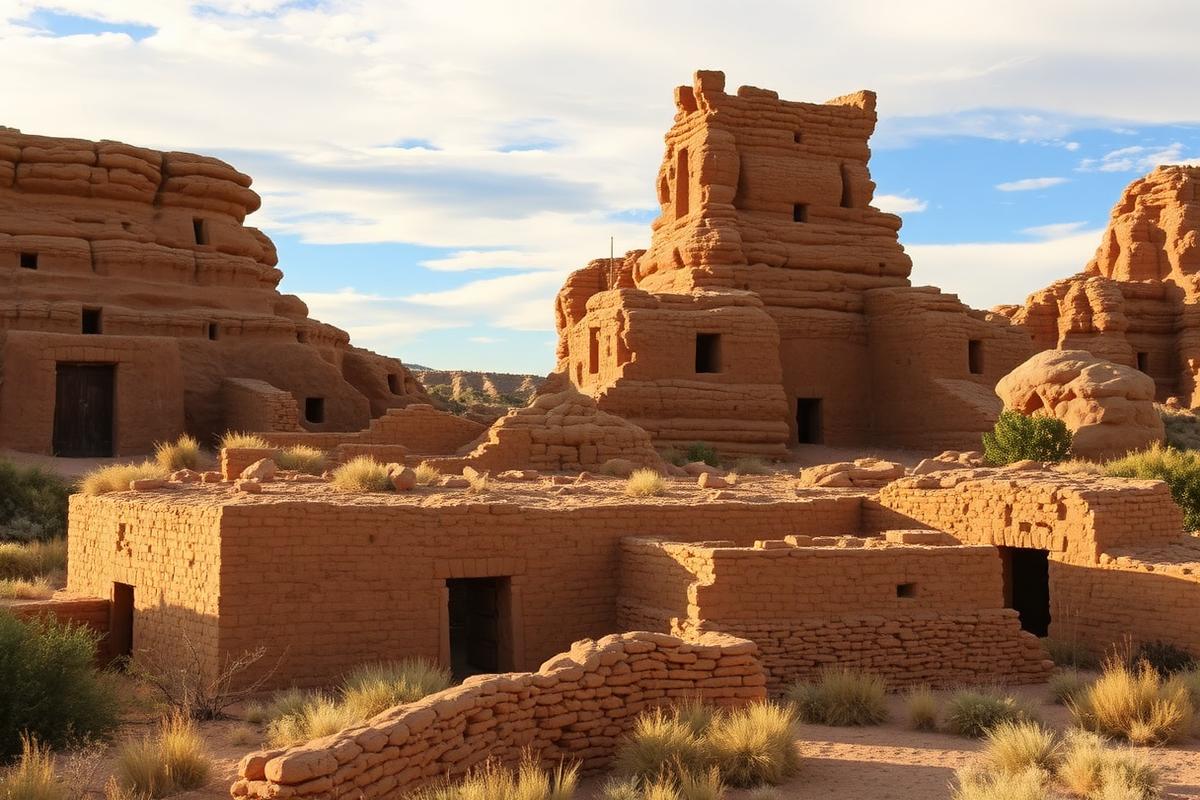
To truly appreciate the deep roots of American history, one must look to the vibrant and enduring cultures of its first peoples. Across the nation, numerous Native American powwows and cultural festivals offer a respectful and profoundly moving glimpse into traditions that predate European settlement by millennia. The Gathering of Nations in Albuquerque, New Mexico, held every April, stands as one of the largest and most prestigious, drawing thousands of indigenous dancers, drummers, and artisans from across North America.
Here, the rhythmic beat of the drum is the heartbeat of the event, accompanying dazzling displays of traditional dance – from the intricate footwork of the Men's Fancy Dance to the graceful movements of the Women's Jingle Dress Dance, each with its own symbolic meaning and regalia. You’ll be mesmerized by the vibrant colors, intricate beadwork, and storytelling woven into every performance. Beyond the arena, a vast marketplace, a 'Native American Indian Trader's Market,' offers authentic crafts, artwork, and jewelry, providing directly support to indigenous artists and communities.
Consider also the annual Cherokee National Holiday in Tahlequah, Oklahoma, held every Labor Day weekend. This celebration of Cherokee heritage features traditional stickball games, cultural demonstrations, storytelling, and an artisan market, allowing visitors to engage with the Cherokee Nation's rich history and contemporary vitality. These festivals are not just performances; they are living testaments to resilience, heritage, and ongoing cultural preservation.
A Taste of the Old West: Frontier Days and Rodeos
The mythology of the American West, with its rugged individualism and vast, untamed landscapes, comes roaring to life at events like Cheyenne Frontier Days in Wyoming, held annually in late July. Billed as the "Daddy of 'em All," this sprawling festival isn't just a rodeo; it's a nearly 10-day immersion into cowboy culture. You'll witness world-class rodeo competitions featuring bull riding, barrel racing, and bronc riding, where the grit and skill of modern cowboys are on full display.
Beyond the arena, the festival hosts chuckwagon cook-offs that transport you back to trail drives, professional bull riding events, and even pancake breakfasts served by volunteers to thousands of hungry attendees. Frontierland provides historical exhibits, demonstrating pioneer crafts and offering insight into the daily lives of those who settled the West. The air is thick with the scent of hay, dust, and grilling meat, set against a backdrop of country music and the excited cheers of the crowd. It’s a full sensory experience that evokes the spirit of the 19th-century frontier.
Another fantastic option is the National Cowboy Poetry Gathering in Elko, Nevada, held each January. While not a rodeo, it’s a profound celebration of cowboy culture through storytelling, song, and verse. Cowboys and cowgirls gather to share tales of ranch life, hardship, humor, and the enduring connection to the land. It’s an intimate and authentic look at the oral traditions that shaped the American West, offering a different, yet equally powerful, historical perspective.
Civil Rights Commemorations: Walking in the Footsteps of Change
For a more recent yet equally impactful historical journey, consider visiting sites commemorating the American Civil Rights Movement. While less of a 'festival' in the traditional sense, annual observances at pivotal locations offer deep, reflective engagement with this transformative era. The Selma Bridge Crossing Jubilee, held every March in Selma, Alabama, marks the anniversary of "Bloody Sunday" and the subsequent marches for voting rights. Tens of thousands gather to walk across the Edmund Pettus Bridge, retracing the steps of courageous activists from 1965.
This event is a powerful blend of historical remembrance and contemporary advocacy. You'll hear speeches from civil rights leaders, participate in peaceful marches, and witness the enduring legacy of the movement. It’s a profoundly moving experience that allows you to connect with the struggles and triumphs that reshaped American society. Other events, such as the annual Martin Luther King, Jr. Day celebrations in Atlanta, Georgia, offer educational programs, community service opportunities, and reflective ceremonies at the Ebenezer Baptist Church and The King Center.
These commemorations are not merely about looking back; they are about understanding the ongoing journey toward justice and equality. They offer a chance to honor heroes, learn from their sacrifices, and draw inspiration for building a more inclusive future. Attending these events provides a solemn yet hopeful perspective on a crucial chapter of American history.
A Symphony of Tradition: Jazz Funerals and Second Line Parades
In New Orleans, Louisiana, history isn't just celebrated; it pulsates through the streets with an incomparable rhythm. The city's legendary jazz funerals and Second Line parades offer a unique, living tradition that traces its roots back to African spiritual practices and European brass band traditions. While not annual in the sense of a fixed date, these events occur regularly throughout the year, often stemming from community organizations, social aid and pleasure clubs, or private memorial services.
A jazz funeral begins with a somber procession, led by a brass band playing mournful dirges, escorting the deceased to their final resting place. After the interment, however, the tone shifts dramatically. The music transitions to lively, upbeat jazz, and the procession becomes a joyous celebration of life. This is the 'Second Line' – the crowd of jubilant participants who dance, sway, and parade behind the main band, often waving handkerchiefs or parasols. It’s an infectious outpouring of community, grief, and unbridled joy, all at once.
To experience a Second Line, keep an eye on local New Orleans listings or social media for 'Whitney Plantation,' 'Tremé,' or 'Louis Armstrong Park.' Many tours also offer insights into these traditions. While respectful participation is encouraged, always be mindful that these are often personal, community-driven events. The music, the movement, and the palpable sense of camaraderie offer a direct, unfiltered connection to the vibrant cultural heritage that makes New Orleans so extraordinary, showcasing a history that’s truly felt in the soul.
Crafting the Past: Renaissance Faires and Living History Museums
While some festivals focus on specific historical events, others create entire worlds to explore, transporting you to different eras. Renaissance Faires, popular across the US from spring through fall, exemplify this immersion. The Maryland Renaissance Festival, for instance, running for nine weekends from late August to late October, transforms a sprawling acreage into the fictional 16th-century village of Revel Grove. Here, you'll encounter a cast of hundreds portraying royalty, knights, jesters, and common folk, all interacting in period costume and character.
Wander through bustling marketplaces where artisans demonstrate blacksmithing, glassblowing, and leathercraft using techniques from centuries past. Feast on giant turkey legs, watch jousting tournaments of mounted knights, and enjoy performances by minstrels, acrobats, and comedic players. It’s a joyous and often theatrical dive into the Elizabethan era, offering both entertainment and a tangible sense of the past through its crafts, foods, and social customs.
Similarly, living history museums such as Old Sturbridge Village in Massachusetts or Conner Prairie in Indiana host annual festivals that weave history into everyday life. Imagine a "Fall Harvest Festival" where you participate in cider pressing, observe hearth cooking, or learn about traditional agricultural practices. These events bridge the gap between exhibit and experience, allowing you to not just see history, but to participate in its recreation, fostering a deeper, more personal connection to the lives of our predecessors.
Final Word
The tapestry of American history is rich, diverse, and endlessly fascinating. While textbooks and museums offer invaluable insights, it is at these annual festivals and commemorative events that history truly comes alive. They are opportunities to step beyond observation and into participation, to feel the rhythms of the past, taste its flavors, and hear its echoes. Each clang of a blacksmith's hammer, every note of a brass band, and every shared moment of remembrance contributes to a deeper understanding of who we are as a nation.
So, as you plan your next journey, consider looking beyond the ordinary. Seek out these vibrant celebrations, these poignant commemorations, and these immersive experiences. Allow yourself to be transported, to learn, and to connect with the incredible stories that have shaped the United States. Your adventure into living history awaits, promising not just memories, but a renewed appreciation for the enduring spirit of America.
Frequently Asked Questions
What is the largest Civil War reenactment in the United States?+
The largest Civil War reenactment is often debated, but events like the Battle of Gettysburg reenactment regularly draw thousands of participants and spectators. These multi-day events usually occur around the July anniversary in Gettysburg, Pennsylvania, featuring battle scenarios, encampments, and educational programs conducted by historical societies.
Where can I experience colonial-era festivals?+
Colonial-era festivals are prominent at sites like Colonial Williamsburg, Virginia, and Plimoth Patuxet, Massachusetts. Colonial Williamsburg hosts numerous events year-round, including Grand Illumination in December, with daily admission typically ranging from $40-60. Plimoth Patuxet offers seasonal events, particularly around Thanksgiving, with similar admission prices. Both offer living history interpretations of 17th and 18th-century life.
Are there festivals celebrating Native American history and culture?+
Yes, many annual powwows and cultural festivals celebrate Native American history and traditions across the U.S. Notable events include the Gathering of Nations Powwow in Albuquerque, New Mexico (usually April, tickets around $20-25/day), and the Red Earth Festival in Oklahoma City, Oklahoma (June, admission typically $10-15). These feature dance, music, art, and educational exhibits from various tribes.
What are jazz funerals and where can I attend one?+
Jazz funerals are traditional New Orleans, Louisiana, ceremonies with a brass band accompanying mourners to and from a burial. While primarily private events, elements are often seen during public second line parades, particularly after funerals of musicians, or at festivals like the New Orleans Jazz & Heritage Festival (late April/early May, tickets often $80-100/day), which celebrates the city's musical heritage. Exact timings for public events vary.
Which festivals re-enact the American Revolutionary War?+
Revolutionary War reenactments occur at various historical sites, including Concord, Massachusetts (Patriots' Day in April), and Yorktown, Virginia (Yorktown Victory Celebration in October). These events feature battle reenactments, encampments, and demonstrations of 18th-century life, often organized in collaboration with national parks and state historical societies. Specific dates and schedules are usually published on official park or town websites.
Sources & Further Reading
Spotted an error? See our corrections policy. Curious about our research? Read our editorial policy and sources.