Inside Charleston's Festival of Houses and Gardens
Reviewed against our editorial policy and sources.
Each spring, private homes open their doors — here's how to plan the trip of a lifetime.
From our reporting
I always look forward to the Festival of Houses and Gardens; the scent of jasmine fills the air, and stepping into those historic homes each spring truly brings history to life.
Key Takeaways
- Explore Charleston’s unique architecture and exquisite private gardens during the annual Festival of Houses and Gardens.
- Gain exclusive access to historic homes normally closed to the public, offering a rare glimpse into Charleston’s heritage.
- Experience the charm of Charleston in springtime, a perfect time for leisurely strolls and discovering hidden horticultural gems.
- Plan your visit to coincide with the festival to enjoy guided tours, special events, and local culture.
- Support the preservation efforts of historic Charleston by participating in this celebrated annual event.
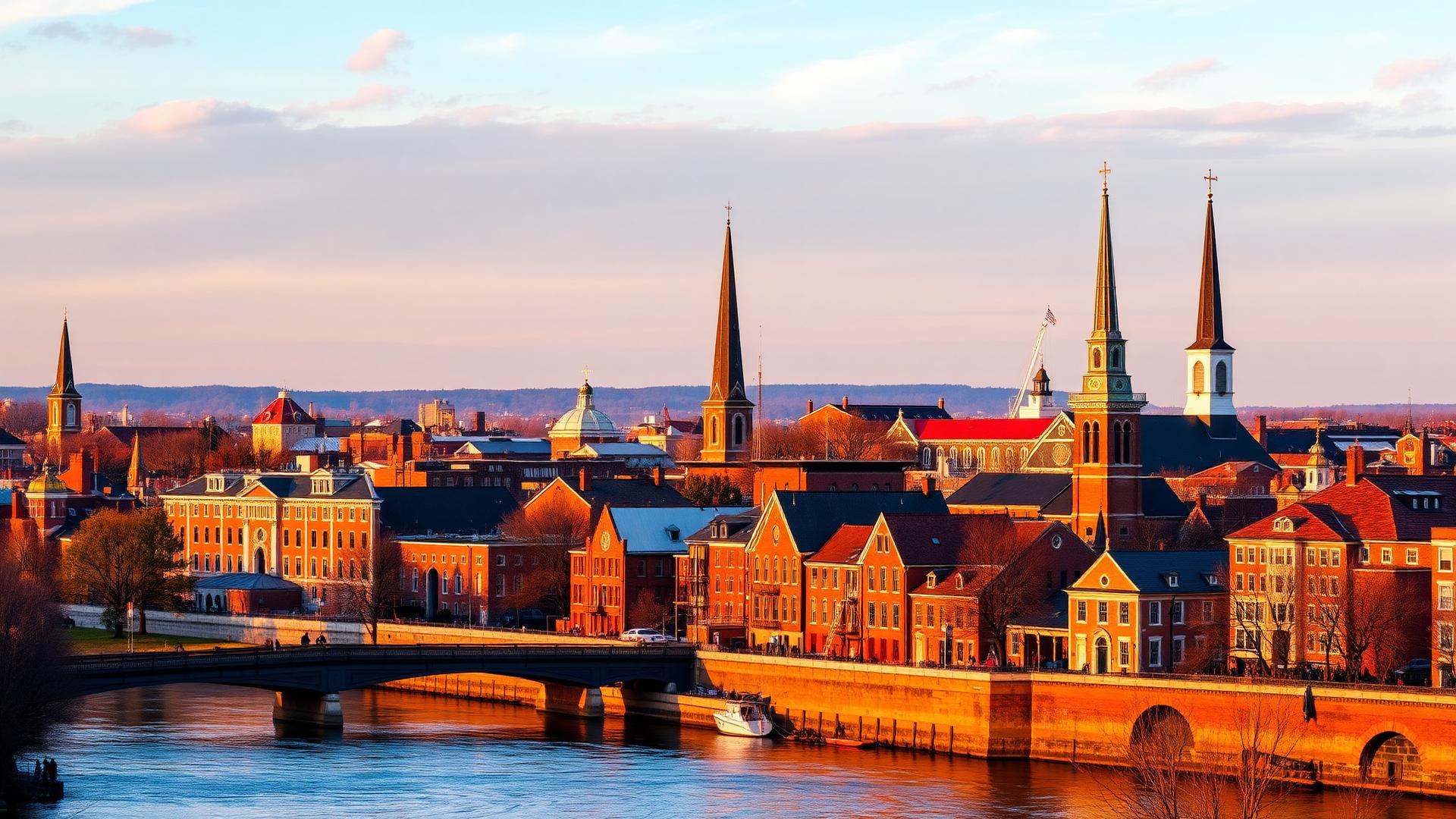
Imagine yourself stepping back into a bygone era, where cobblestone streets whisper tales of Revolutionary War heroes and antebellum grandeur, and the air is thick with the scent of blooming jasmine and salty Lowcountry breezes. Each spring, in a captivating transformation, a cherished Southern city flings open the heavy, ornate doors of its most exquisite private residences and meticulously manicured gardens, inviting you to journey into a living tableau of American history and architectural splendor. This is Charleston, South Carolina, and you are about to discover the magic of its annual Festival of Houses and Gardens, an unparalleled opportunity to experience the soul of a city renowned for its enduring charm.
A Legacy of Preservation: Understanding the Festival's Roots
The Festival of Houses and Gardens isn't merely a series of tours; it's a vibrant testament to Charleston's unwavering commitment to its past. This annual event, now celebrating over 75 years, is the flagship fundraiser for the Historic Charleston Foundation (HCF). Founded in 1947 by a group of visionary citizens, the HCF emerged at a time when many historic American cities were sacrificing their architectural heritage to modernization. These early preservationists understood that Charleston's unique character – its architectural fabric, its hidden gardens, its very streetscapes – was irreplaceable.
When you purchase a ticket to a house tour or a garden stroll, you are directly contributing to the Foundation's ongoing efforts. This includes not only the meticulous restoration and maintenance of properties like the Nathaniel Russell House and the Aiken-Rhett House but also broader advocacy for responsible development, educational programs for future generations, and archaeological research that continually unearths new insights into the city's complex past. The Festival, therefore, is more than just a peek behind velvet ropes; it's an immersive educational experience that underscores the power of collective preservation.
Planning Your Visit: Navigating the Southern Charm
With dozens of individual events spread across several weeks in March and April, planning your Festival experience requires a thoughtful approach. Begin by visiting the Historic Charleston Foundation's official website well in advance, as tickets for popular tours and events sell out quickly. The Festival offers various types of tickets: single house and garden tour tickets, multi-day passes, and specialty events like candlelight concerts, culinary demonstrations, and lectures. Consider your interests; are you drawn to grand estates, charming Victorian homes, or perhaps the intimate artistry of hidden garden design?
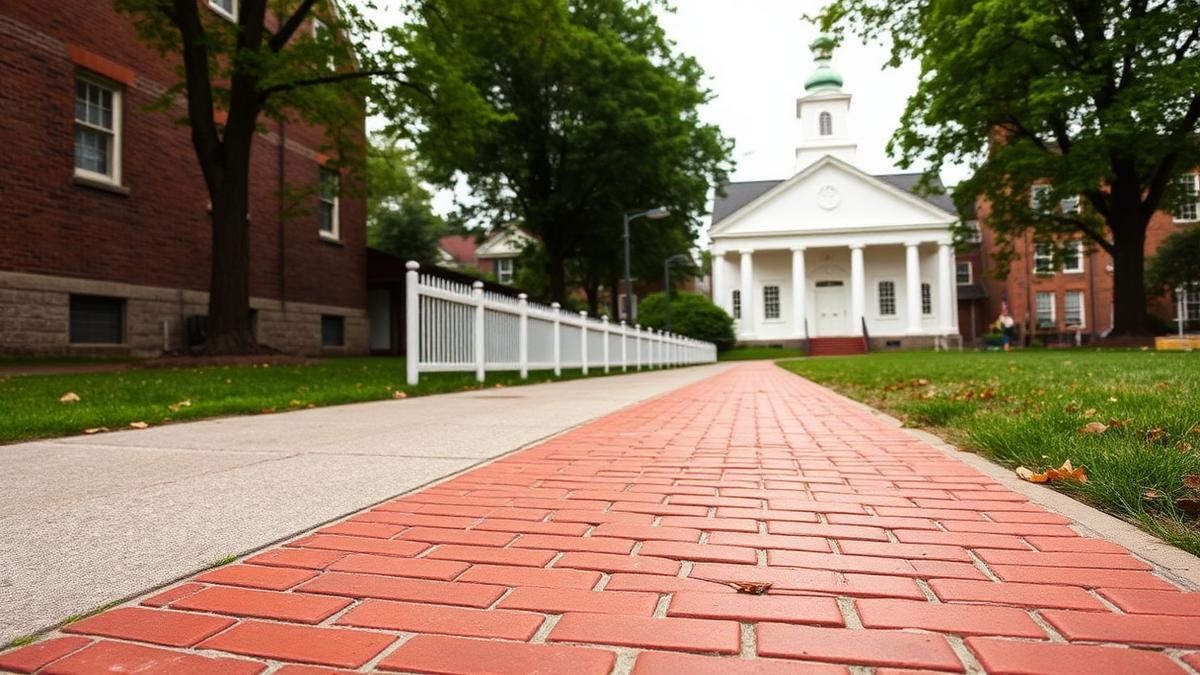
Charleston's spring weather is generally delightful, with warm days and cool evenings, but be prepared for anything from brilliant sunshine to a sudden shower. Comfortable walking shoes are an absolute must, as you'll spend significant time on charming but uneven cobblestones and brick sidewalks. Many of the homes are located within a compact, walkable historic district, but some events might require a short taxi or ride-share. Book your accommodations early, as Charleston becomes a popular destination during these peak spring months. Historic inns, boutique hotels, and guesthouses abound, each offering a unique immersion into the city's ambiance. Aim for a central location to maximize your time and minimize travel.
Stepping Inside: The House Tours
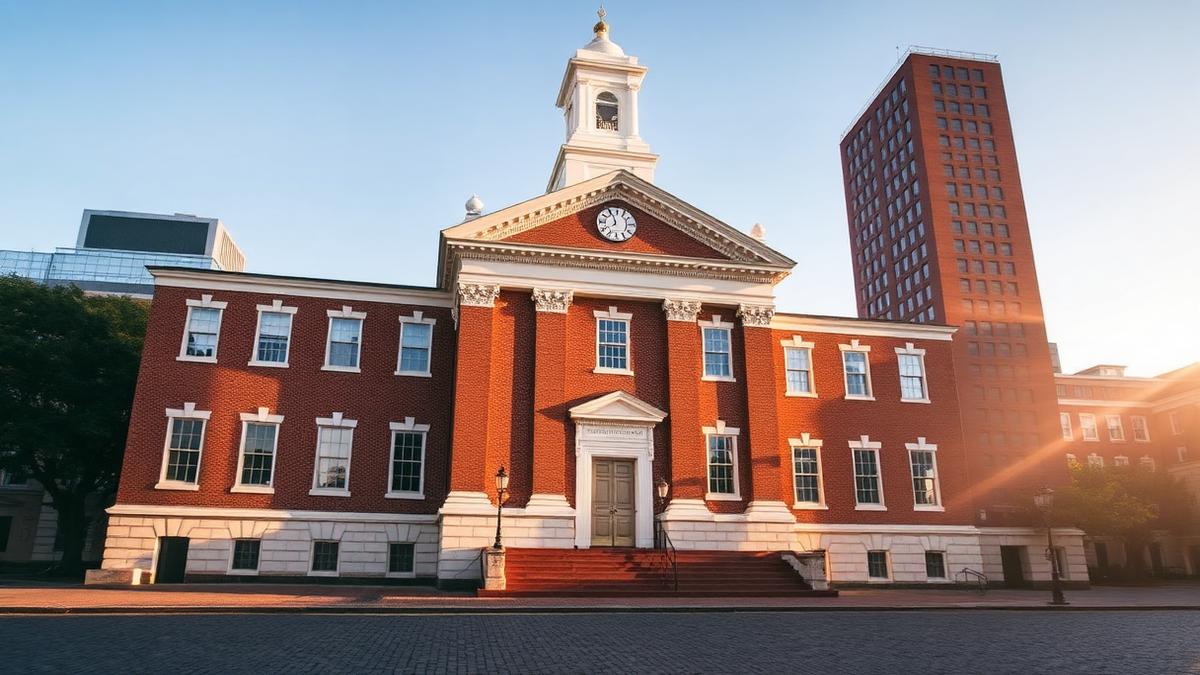
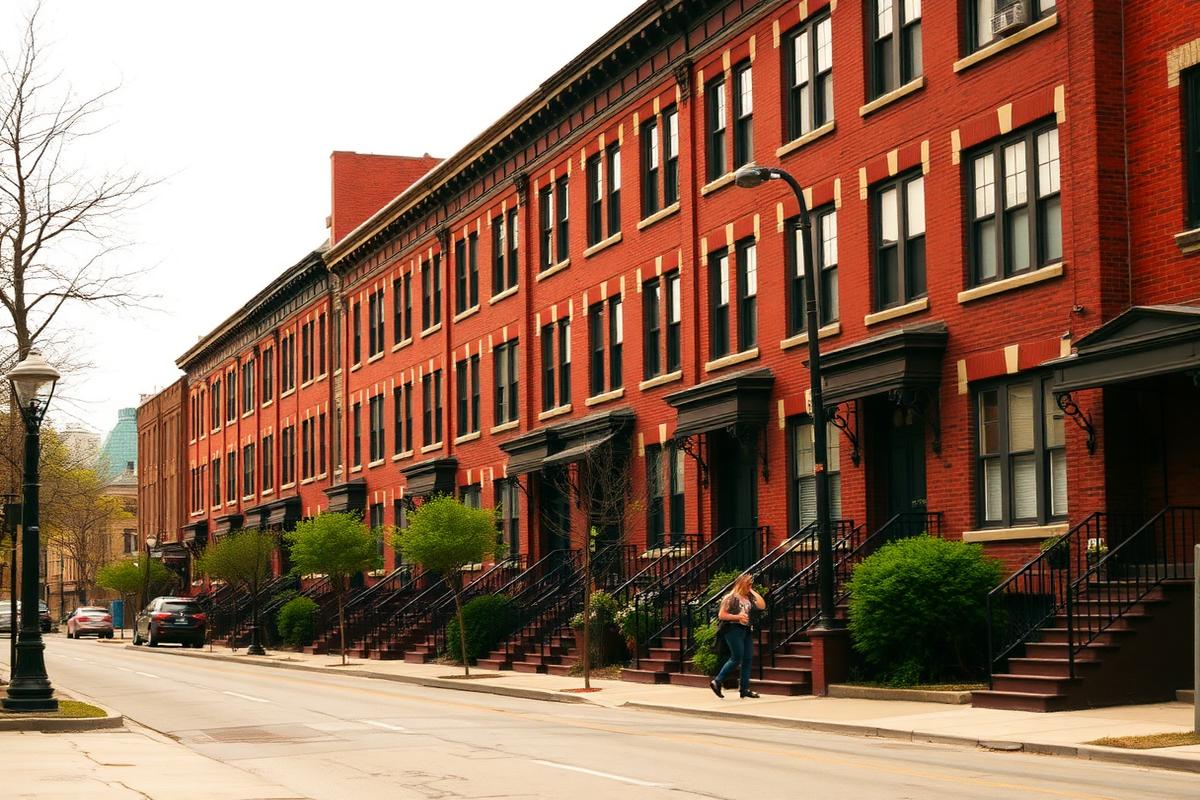
The heart of the Festival lies in its house tours, a rare opportunity to cross the threshold into residences that are typically private. These aren't just buildings; they are living repositories of history, revealing the lives, struggles, and triumphs of generations of Charlestonians. Each tour is narrated by knowledgeable volunteers, often long-time residents themselves, who share captivating anecdotes and historical details that bring the architecture to life. You might explore a grand Federal-style mansion dating to the late 18th century, marveling at its ornate plasterwork and original French wallpaper, or discover a cozy "single house" with its distinctive side piazza, designed to capture cross breezes.
Pay attention to the architectural details: the intricate wrought-iron gates, the delicate fanned transoms above doorways, the "Charleston green" shutters, and the soaring ceilings that speak to a need for natural ventilation in the pre-air conditioning era. You'll encounter period furniture, family portraits, and personal effects that offer a glimpse into the daily lives of Charleston's early inhabitants. These tours offer a deeply personal connection to the past, allowing you to walk the very same floors where momentous decisions were made, and generations of families made their homes. Remember that photography is often restricted inside the homes to preserve their integrity and respect the privacy of their owners.
The Allure of the Gardens: A Botanical Journey
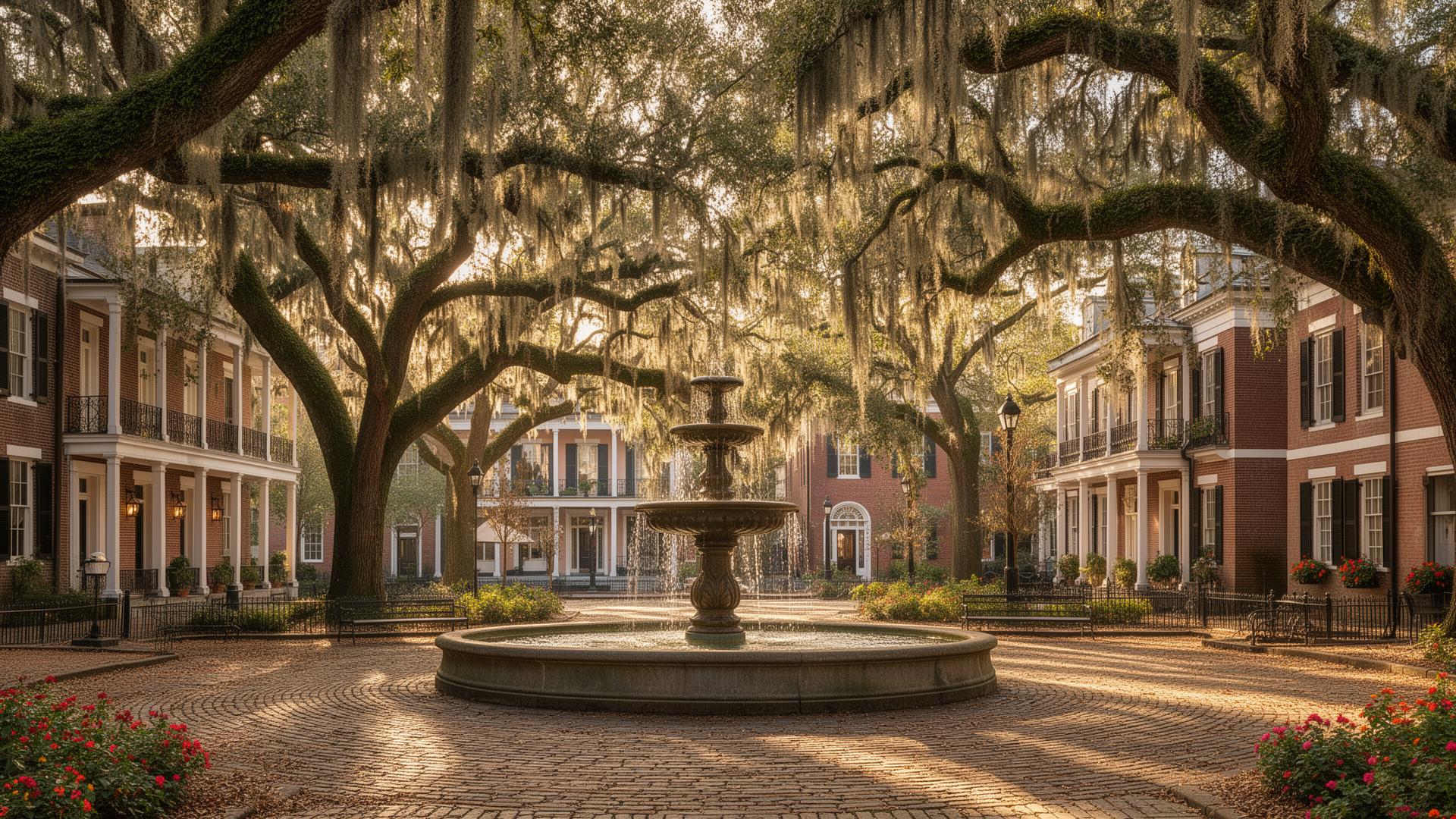
Charleston's gardens are renowned for their beauty and ingenuity, and the Festival provides unparalleled access to these verdant sanctuaries. From formal parterres to wild, romantic landscapes, each garden reflects a unique vision and microclimate. You'll discover hidden courtyards bursting with camellias, azaleas, and Confederate jasmine, their intoxicating fragrance filling the air. Centuries-old live oaks, draped with Spanish moss, provide dramatic canopies, while intricate brick pathways lead to secluded fountains and charming garden statuary.
Many of these gardens are testaments to generations of careful cultivation and adaptation to the Lowcountry's unique climate. You'll see examples of native flora alongside exotic imports, all thriving in Charleston's subtropical environment. The garden tours offer a refreshing counterpoint to the interior explorations, allowing you to breathe in the fragrant air and admire the artistry of horticultural design. It’s an opportunity to appreciate not just the grand statements of landscape architecture, but also the intimate, artful compositions that provide tranquil respite within the bustling city.
Beyond the Gates: Immersive Specialty Events
While the house and garden tours form the core of the Festival, the Historic Charleston Foundation curates a compelling array of specialty events that deepen your experience. Imagine an evening candlelight tour of an impeccably preserved 18th-century home, where the soft glow of lanterns illuminates every detail, accompanied by the strains of period music. Or perhaps a culinary journey led by a renowned Lowcountry chef, exploring the flavors and history of Southern cuisine within the elegant setting of a historic kitchen.
Lectures by leading historians and preservationists offer scholarly insights into Charleston's complex past, covering topics from Gullah culture to architectural restoration techniques. There are often opportunities for workshops, like lessons in traditional sweetgrass basket weaving, a craft deeply rooted in the city's African American heritage. These events are designed to round out your visit, offering multi-sensory experiences that connect you more intimately with the history, culture, and artistry of Charleston.
Dining and Delights: Savoring Charleston's Culinary Scene
A visit to Charleston is incomplete without indulging in its world-class culinary scene. After a day of exploring historic homes and gardens, you'll be ready to savor the city's celebrated Lowcountry cuisine. From sophisticated fine dining establishments to charming casual cafes, Charleston offers a diverse array of gastronomic delights. Immerse yourself in the flavors of fresh local seafood, often prepared with a distinctive Southern flair. Think shrimp and grits, she-crab soup, fresh oysters, and fried green tomatoes.
Consider making reservations in advance, especially for dinner, as many popular restaurants fill quickly, particularly during the Festival. Many restaurants are housed within beautifully restored historic buildings themselves, offering an extension of the architectural immersion. Explore the culinary traditions that have shaped Charleston's identity, from the influences of African and Caribbean cooking to European refinements. Don't forget to sample local favorites like hushpuppies or traditional pecan pie for a true taste of the South.
Essential Tips for a Memorable Visit
To truly maximize your Festival experience, consider purchasing a multi-day pass if your schedule permits. This allows you to spread out your tours, preventing fatigue and giving you time to explore other aspects of Charleston. Begin your touring days early to avoid crowds, especially during the middle of the day. Hydration is key; carry a water bottle, particularly on warmer days. Remember that while the Festival is a grand affair, many of the homes are still private residences, so respect the property and follow the instructions of the tour guides.
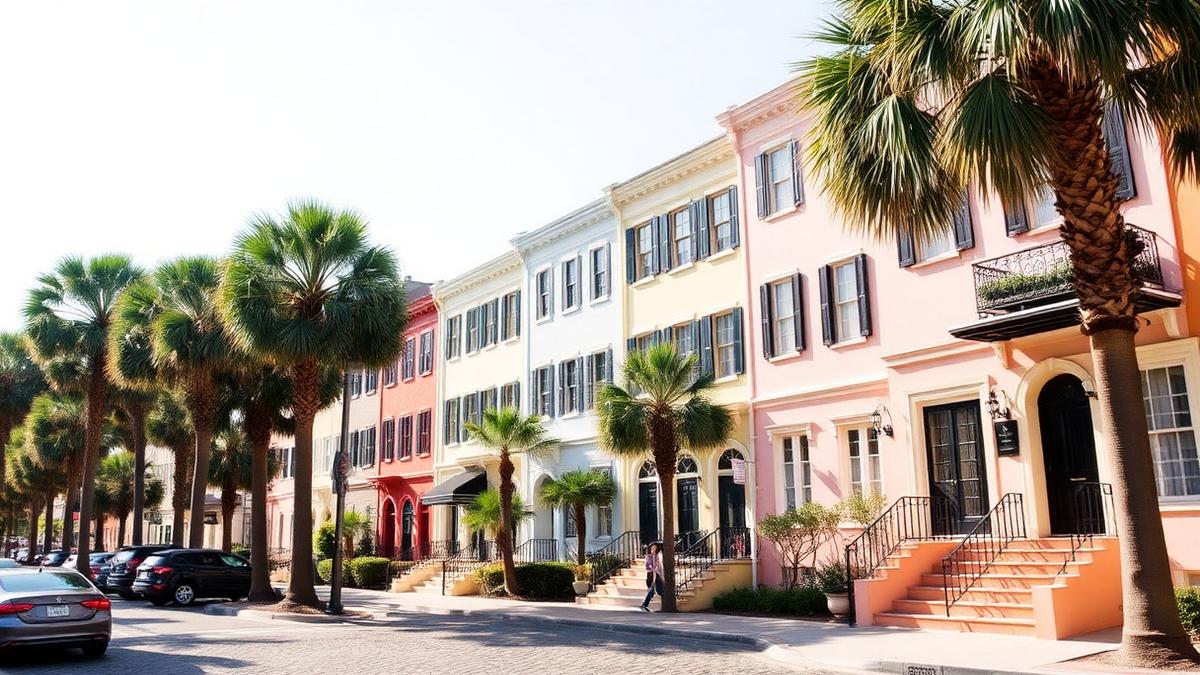
Take a moment to simply wander. Beyond the ticketed tours, Charleston's historic district itself is an open-air museum. Stroll along Rainbow Row with its pastel-colored Georgian houses, explore the historic Battery with its sweeping harbor views, and duck down charming alleyways to discover hidden courtyards and art galleries. Engage with the locals; Charlestonians are famously friendly and often eager to share their love for their city. Embrace the slower pace of the South, and allow yourself to be enchanted by the timeless beauty and genteel charm that define this remarkable destination.
Final Word
The Festival of Houses and Gardens is more than just an event; it's an invitation to experience the very heart and soul of Charleston. It's a chance to witness history not as a static display, but as a vibrant, living narrative unfolding within the walls and gardens of a truly extraordinary American city. As you depart, you'll carry with you not just photographs, but a deeper understanding of preservation's power, a sense of connection to generations past, and indelible memories of Charleston's quintessential Southern charm. Prepare to be captivated, for this is a journey that will linger in your imagination long after the last jasmine scent has faded.
Frequently Asked Questions
When does Charleston's Festival of Houses and Gardens typically take place?+
The Festival of Houses and Gardens is usually held annually from mid-March to mid-April, lasting several weeks. Specific dates vary each year, so it's best to check the Historic Charleston Foundation's official website for the most current schedule.
How much do tickets cost for the Festival of Houses and Gardens?+
Ticket prices vary depending on the type of tour or event. Individual house and garden tours might range from $40-$70, with special events costing more. Package deals are often available for multiple tours. Consult the Historic Charleston Foundation website for detailed pricing.
Where can I purchase tickets for the Festival of Houses and Gardens?+
Tickets can be purchased directly from the Historic Charleston Foundation's official website. It's advisable to buy tickets in advance, as popular tours can sell out quickly, especially for weekend dates. Some tickets may be available on-site, but availability is not guaranteed.
What types of homes and gardens are featured in the festival?+
The festival features a diverse selection of private 18th, 19th, and 20th-century residences and their gardens, ranging from grand mansions to charming single houses. The locations change each year, highlighting different neighborhoods and architectural styles within Charleston's historic district.
Is transportation provided between the various festival locations?+
The festival is designed for walking, allowing visitors to explore Charleston's historic district at their own pace. Most homes and gardens are concentrated within walkable areas, but attendees should be prepared for some walking. Public transportation or rideshares are options for longer distances between tour areas.
Sources & Further Reading
Spotted an error? See our corrections policy. Curious about our research? Read our editorial policy and sources.