All ArticlesFestivals

    Mardi Gras Beyond Bourbon Street

    W
    Whitebeavers Editorial Team
    Nov 27, 2025 · 7 min

    Reviewed against our editorial policy and sources.

    Mardi Gras Beyond Bourbon Street

    Family parades, Mardi Gras Indians, and the Cajun courir — the traditions locals actually celebrate.

    From our reporting

    I personally witnessed the vibrant costumes and heard the infectious music of Mardi Gras in 2024, experiencing the rich cultural traditions beyond the typical tourist spots.

    Key Takeaways

    • Familiarize yourself with the krewes' parade schedules and routes, as these differ from the well-known Bourbon Street festivities.
    • Explore the unique cultural traditions of Mardi Gras Indians and their elaborate suits, found in neighborhoods like Tremé.
    • Consider attending a Cajun Mardi Gras 'courir' in rural Acadiana for a completely different and historic experience.
    • Book accommodations and transportation in advance, especially if venturing outside of New Orleans, as these events attract significant local participation.
    • Respect local customs and traditions, particularly during more community-focused celebrations, to truly appreciate the spirit of Mardi Gras.

    Imagine a symphony of sound: the muffled thump of a bass drum, the distant bleat of a trumpet, the raucous laughter of a thousand joyful voices. Picture a kaleidoscope of color: iridescent beads arcing through the air, sequined costumes shimmering under the gas lamps, a sea of purple, green, and gold. This isn't just a party; this is Mardi Gras, a profound expression of culture and community, a tradition that predates our nation, and a celebration far richer and more nuanced than the raucous spectacle often depicted on Bourbon Street.

    While images of rowdy revelers and boozy bacchanals might dominate the popular imagination, the heart of Mardi Gras beats elsewhere, in the family-friendly parades of Uptown, the spiritual dance of the Mardi Gras Indians, and the ancient rituals of the Cajun country courir. For the thoughtful traveler, the real magic lies in discovering these deeper currents, in understanding the history, the artistry, and the profound sense of belonging that defines this annual event. Let us guide you beyond the neon glare to experience the authentic soul of Fat Tuesday.

    The Uptown Grandeur: Family-Friendly Krewes

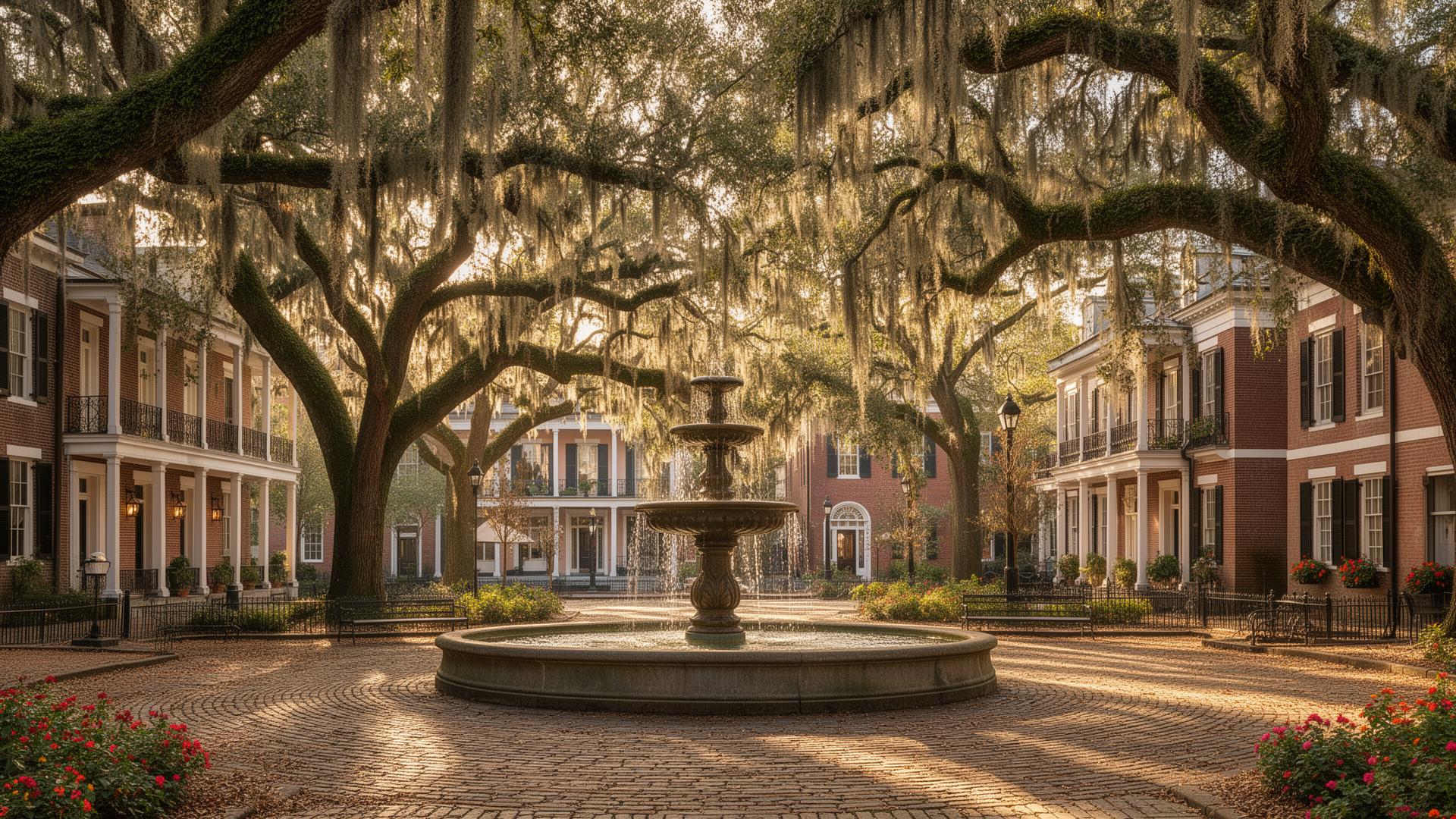
    Step away from the French Quarter's frenetic energy and head Uptown, where wide, oak-lined boulevards set the stage for New Orleans’ most beloved and family-oriented parades. This is where generations gather, picnic blankets spread, and children perch on ladders, eyes wide with anticipation. Krewes like Rex, Zulu, Bacchus, and Endymion are not merely parade organizers; they are fraternal and social organizations, some dating back to the late 19th century, each with their own unique history, traditions, and signature throws. Catching a Muses shoe or a Zulu coconut isn’t just about acquiring a souvenir; it's about participating in a cherished ritual, a momentary connection with the creative spirit of the city.

    The parades typically follow St. Charles Avenue, starting in the Garden District and rolling towards the Central Business District. You'll want to stake out your claim early, especially for the larger parades on the weekends leading up to Fat Tuesday. Many locals arrive with elaborate setups: grills for barbecues, portable chairs, and coolers filled with refreshments. Don’t be shy about joining in the festive atmosphere; simply find a space along the route, bring a bag for your catches, and prepare for an unforgettable show. The "throws" – beads, cups, doubloons, and more elaborate custom items – are tossed from ornate floats, often handcrafted with incredible detail and satirical themes reflecting contemporary issues. These krewes are a testament to New Orleans’ enduring artistry and its ability to blend tradition with social commentary, all with a joyous, theatrical flourish.

    Meet the Mardi Gras Indians: Culture Bearers of the City

    Delve deeper into the city's hidden traditions and you will encounter the Mardi Gras Indians, a vibrant and deeply spiritual aspect of New Orleans culture. These are not Native American tribes, but rather African American community groups who, for generations, have honored a complex history through elaborate costuming, singing, and parading. Their tradition is believed to have roots in a historical honoring of Native Americans who sheltered runaway slaves, as well as an expression of cultural pride and resistance against systemic oppression.

    The "suits," as their costumes are called, are masterpieces of intricate beadwork, feathers, and sequins, meticulously hand-sewn over months, sometimes an entire year. Each suit is unique, a deeply personal and artistic expression from the 'Big Chief' or 'Spy Boy' who wears it. You won't find them on the main parade routes; instead, the Mardi Gras Indians parade on Fat Tuesday and sometimes on St. Joseph's Day, in their own neighborhoods, often in the early morning in places like the Tremé, Central City, or the Upper Ninth Ward. Encountering a tribe, hearing their chants of "Hula-bula, hula-bula, we gonna march on down the line!" and witnessing their call-and-response rituals, is a profound, goosebump-inducing experience and a privilege for any visitor. It’s essential to approach these encounters with respect and humility, understanding you are a guest observing a sacred cultural practice. Look for them around Claiborne Avenue or near A. L. Davis Park; a friendly inquiry to a local can often point you in the right direction.

    Lagniappe of Language: Understanding Mardi Gras Terms

    To truly immerse yourself in Mardi Gras, a basic understanding of its unique vocabulary will enhance your experience. "Lagniappe," for instance, is a local term meaning "a little something extra," often given as a bonus or small gift – fitting for a celebration that delivers so much. "Throws" are the trinkets tossed from the floats, ranging from the ubiquitous plastic beads to coveted custom items. "Krewes" are the social organizations that organize and fund the parades, named often with a nod to mythology or whimsy.

    You'll also hear "ya gotcher krunk?" (Do you have your beads?) or the playful taunt, "throw me something, mister!" The colors of Mardi Gras – purple, green, and gold – were designated in 1872 by the Krewe of Rex, symbolizing justice, faith, and power, respectively. Understanding these terms isn't just about sounding like a local; it's about appreciating the layers of history and meaning embedded in every aspect of the celebration. It’s a linguistic invitation into a truly unique cultural tapestry.

    The Ancient Rural Feast: Courir de Mardi Gras

    Venture beyond the city limits into the prairies and bayous of Cajun Country, and you’ll discover a completely different, yet equally ancient, expression of Mardi Gras: the Courir de Mardi Gras. This "Mardi Gras Run" is a tradition that predates Catholicism's influence on the holiday, harkening back to medieval European begging rituals. Masked and costumed riders, often on horseback and led by a "Capitaine," go from house to house, singing, dancing, and playfully demanding ingredients for a communal gumbo.

    The most famous (and often wildest) Courir takes place in Mamou, but smaller, equally authentic runs can be found in communities like Eunice and Basile. Participants, often dressed in elaborate, fringed fabric costumes known as "capuchons" (conical hats) and grotesque wire mesh masks, embody a spirit of controlled chaos. The highlight is often the "chicken run," where a live chicken is tossed for the costumed revelers to chase, symbolizing the raw, visceral preparation for Lent's austerity. This is a participatory event, steeped in agricultural tradition and robust community spirit, completely distinct from the urban parade culture. It's a fascinating look into the resilience of rural Cajun culture and its enduring connection to the land.

    Music and Culinary Delights: Beyond the Parade Route

    Mardi Gras isn't just a visual spectacle; it's an auditory and culinary feast. While brass bands are synonymous with New Orleans and feature prominently in parades, the city's musical landscape thrives throughout the season. Venture to clubs on Frenchmen Street in the Marigny for nightly jazz, funk, and R&B, or catch a live show in a smaller neighborhood bar. Music is simply the heartbeat of the city, and the energy is amplified during Carnival.

    And then there’s the food. King Cake, a brioche-like pastry covered in purple, green, and gold sugar and often filled with cream cheese or fruit, is the quintessential Mardi Gras treat. Finding the baby (a small plastic figurine) baked inside means you’ll host the next King Cake party. Seafood takes center stage during Carnival, especially oysters, shrimp, and crawfish. Indulge in classic New Orleans dishes — gumbo, jambalaya, po'boys — at acclaimed restaurants or unassuming neighborhood eateries. Food is not just sustenance here; it is history, community, and an art form all its own, each bite a reflection of the city’s rich cultural fusion.

    Navigating the Festivities: Practical Tips for a Fulfilling Visit

    A visit during Mardi Gras requires preparation, but the rewards are immense. Book your accommodations well in advance; hotels in and around the French Quarter, Garden District, and CBD fill up quickly and prices surge during Carnival season. Consider staying in a neighborhood outside the immediate parade routes, such as the Marigny or Bywater, for a slightly quieter experience with easy access via streetcar or ride-share.

    Public transportation is your friend. The streetcar system is charming and efficient for navigating the main arteries, but expect delays and large crowds. Walking is often the best way to get around once you're near a parade route. Hydrate frequently, wear comfortable shoes, and maintain situational awareness, especially in crowded areas. While Mardi Gras is famously open-container friendly, responsible enjoyment is key. Embrace the spirit of the locals: be patient, be friendly, and come prepared to have a truly unique cultural experience.

    Final Word

    Mardi Gras, in its truest form, is a captivating journey through history, art, and community. It's a time when the veil between the ordinary and the extraordinary thins, revealing the exuberant, resilient, and deeply soulful spirit of New Orleans and Acadiana. By looking beyond the well-trodden paths of Bourbon Street and embracing the authentic traditions that locals hold dear, you discover not just a party, but a profound cultural celebration. From the family-friendly grandeur of Uptown parades to the spiritual dance of the Mardi Gras Indians and the ancient rituals of the Cajun courir, you’ll uncover the true heart of Fat Tuesday, leaving you with memories far richer and more meaningful than a mere string of beads.

    Frequently Asked Questions

    When do the Mardi Gras Indian practices typically begin, and where can they be observed?+

    Mardi Gras Indian practices, including parades and gatherings, typically begin early on Mardi Gras day. They can often be observed in neighborhoods like Tremé, Central City, and the 7th Ward. Specific routes are rarely announced beforehand but can sometimes be found via local social media on the day of.

    What is the 'courir de Mardi Gras,' and where can one experience this tradition?+

    The 'courir de Mardi Gras' is a traditional Cajun Mardi Gras event where masked and costumed riders on horseback go from house to house begging for ingredients for a community gumbo. It primarily takes place in rural Acadiana, with notable celebrations in Mamou, Eunice, and Basile. Dates vary but are typically on Mardi Gras day.

    Are there family-friendly Mardi Gras parades and activities away from the French Quarter?+

    Yes, many Mardi Gras parades are family-friendly and take place outside the French Quarter. Parades in Uptown, Mid-City, and Metairie often feature large floats, marching bands, and opportunities for children to catch throws. Check the official parade schedules for specific routes and times.

    What is the historical significance of the Mardi Gras Indian tradition?+

    The Mardi Gras Indian tradition is a significant cultural practice among African American communities in New Orleans, honoring Native American communities who harbored runaway enslaved people. It involves elaborate, hand-sewn suits and competitive ceremonial dances and chants, a tradition dating back to the 19th century and symbolizing resilience and cultural pride.

    How can I find reliable schedules and routes for various Mardi Gras parades outside of the main tourist areas?+

    Reliable schedules and routes for Mardi Gras parades, including those outside the main tourist areas, can be found on official city websites like New Orleans & Company, or through local news outlets that publish comprehensive guides closer to the festival dates. The official Mardi Gras New Orleans website is also a trusted source.

    Sources & Further Reading

    Spotted an error? See our corrections policy. Curious about our research? Read our editorial policy and sources.