A Revolutionary Walking Tour of Philadelphia
Reviewed against our editorial policy and sources.
Independence Hall, Liberty Bell, and the cobblestone streets where a nation was born.
From our reporting
I recently walked the cobblestone streets of Philadelphia in 2024, feeling the colonial history come alive with every step, and even tasted an authentic 18th-century ginger snap.
Key Takeaways
- Explore Independence Hall, where the Declaration of Independence and the U.S. Constitution were signed, and learn about its pivotal role in American history.
- Visit the Liberty Bell Center to discover the iconic symbol of American independence, understanding its inscriptions and historical significance.
- Wander through Carpenters' Hall, the meeting place for the First Continental Congress, and immerse yourself in the architectural and political atmosphere of 1774.
- Discover the contributions of Benjamin Franklin at his museum and gravesite, exploring his scientific innovations, civic efforts, and printing endeavors.
- Stroll through Elfreth's Alley, the oldest continuously inhabited residential street in the U.S., to experience authentic 18th-century urban life.
Imagine the crisp autumn air carrying whispers of revolution, the scent of horse-drawn carriages mingling with the aroma of freshly baked bread. You stand on the very ground where pivotal decisions were etched into the fabric of a nascent nation, where impassioned debates echoed through hallowed halls. Welcome to Philadelphia, the birthplace of American independence, a city where history isn't just displayed in museums, but breathes through its very streets and stones.
Independence Hall and Liberty Bell: The Cradle of Liberty
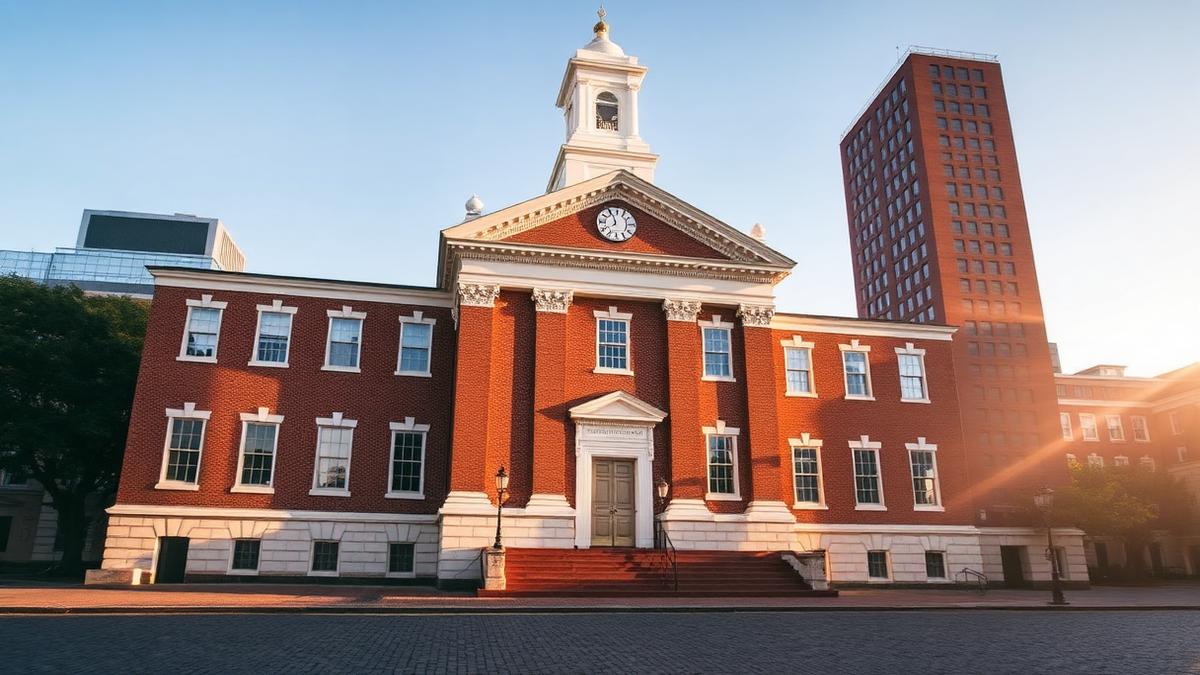
Begin your journey at Independence Hall, the majestic Federalist-style building that served as the principal meeting place for the Second Continental Congress and the Constitutional Convention. As you step inside, you can almost hear the fervent discussions of the Founding Fathers. Picture Thomas Jefferson, penning the Declaration of Independence, or George Washington presiding over the Constitutional Convention, shaping the very framework of American governance. Consider the immense weight of expectation and the profound bravery it took for those gathered here to declare independence from one of the most powerful empires in the world. Look for the "Assembly Room," where these world-changing documents were debated and signed.
Adjacent to Independence Hall, housed in its own pavilion, rests the Liberty Bell. Its iconic crack, though a result of wear and tear, has become a potent symbol of American resilience and the enduring ideals of freedom. Feel the reverence as you stand before this historical artifact, recalling its ringing out to announce the first public reading of the Declaration of Independence on July 8, 1776. The inscription, "Proclaim Liberty throughout all the land unto all the inhabitants thereof," taken from Leviticus 25:10, serves as a powerful reminder of the nation's foundational principles. The weight of its history, the stories it could tell, resonate deeply with anyone who cherishes the American ideal.
Congress Hall: Where Laws Took Shape
Just a stone's throw from Independence Hall, Congress Hall stands as a testament to the early legislative efforts of the United States. This federal-style building served as the meeting place of the U.S. Congress from 1790 to 1800, during Philadelphia's tenure as the nation's capital. It was here that George Washington was inaugurated for his second term in 1793, and John Adams for his first in 1797. Imagine the bustling activity, the impassioned arguments, and the careful compromises that took place within these very walls as the newly formed government grappled with its responsibilities and charted its course.
As you walk through the House of Representatives chamber on the first floor and the Senate chamber upstairs, consider the profound impact of the legislation crafted here. It was within Congress Hall that the Bill of Rights was finalized, shaping the fundamental freedoms that Americans enjoy today. Many other crucial early laws were debated and passed here, laying the groundwork for the nation's legal and political systems. The very air seems to hum with the echoes of historical discourse, inviting you to reflect on the immense effort and foresight that went into building a democratic republic.
Carpenters' Hall: A Gathering of Minds
A short stroll will lead you to Carpenters' Hall, a beautifully preserved brick building completed in 1774. This unassuming structure holds immense historical significance as the site of the First Continental Congress in September 1774. Fifty-six delegates from twelve of the thirteen colonies gathered here to discuss their grievances with British rule and to formulate a unified response. Picture figures like Patrick Henry, George Washington, and John Adams, deep in earnest conversation, their faces etched with concern for the future of their colonies.
The building itself, owned and operated by the Carpenters' Company of the City and County of Philadelphia since its construction, offers a glimpse into Colonial-era craftsmanship. Observe the intricate details of the wood furnishings and the sturdy construction, a testament to the skill of 18th-century artisans. The decision to meet at Carpenters' Hall, rather than the Pennsylvania State House (now Independence Hall), was a deliberate act of defiance against the Royal Governor, signifying the colonists' resolve to govern themselves. The spirit of unity and determination that permeated these walls was a crucial precursor to the Declaration of Independence two years later.
Franklin Court: The Legacy of a Polymath
Just a few blocks away, delve into the life and legacy of one of America's most remarkable figures at Franklin Court. This site pays homage to Benjamin Franklin, statesman, inventor, writer, printer, and diplomat, who lived and worked on this very spot for many years. While his original house is no longer standing, its footprint is outlined in steel at ground level, allowing you to visualize his former residence. The modern museum and exhibits beneath this "ghost structure" offer an engaging look into Franklin’s multifaceted life and his profound contributions to both America and the world.
Explore the printing office, reminiscent of Franklin’s own, and witness demonstrations of 18th-century printing techniques, reminding you of his groundbreaking work in communication. Discover his ingenious inventions, from bifocal spectacles to the Franklin stove, which improved daily life for countless people. The post office, also part of the court, continues to operate today, paying tribute to Franklin's role as the first Postmaster General. Franklin Court is more than just a historical site; it’s an immersive experience that brings to life the mind of a true polymath whose intellect and pragmatism helped shape the nascent nation.
Elfreth's Alley: A Glimpse into Colonial Life
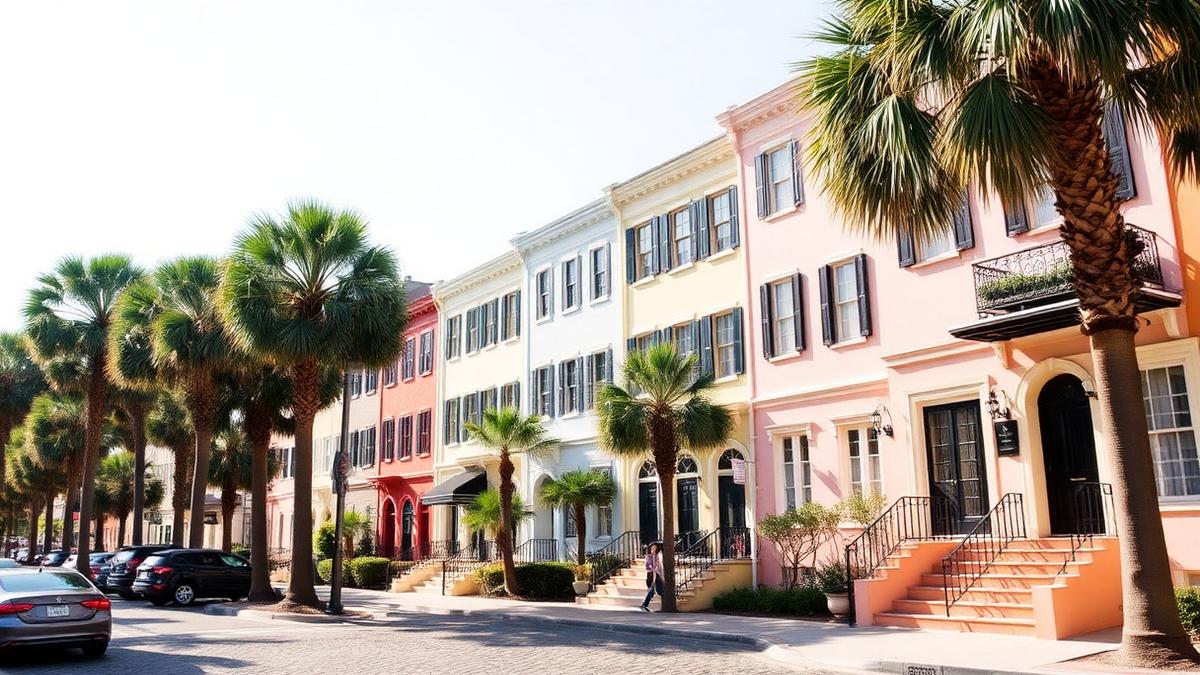
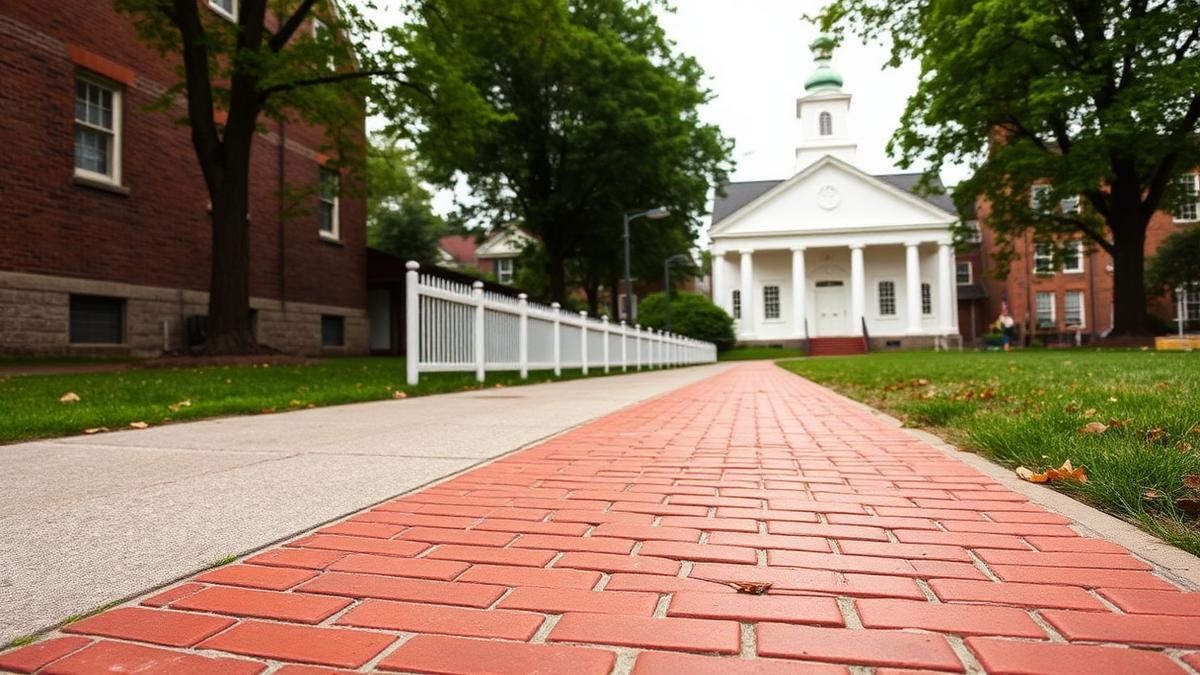
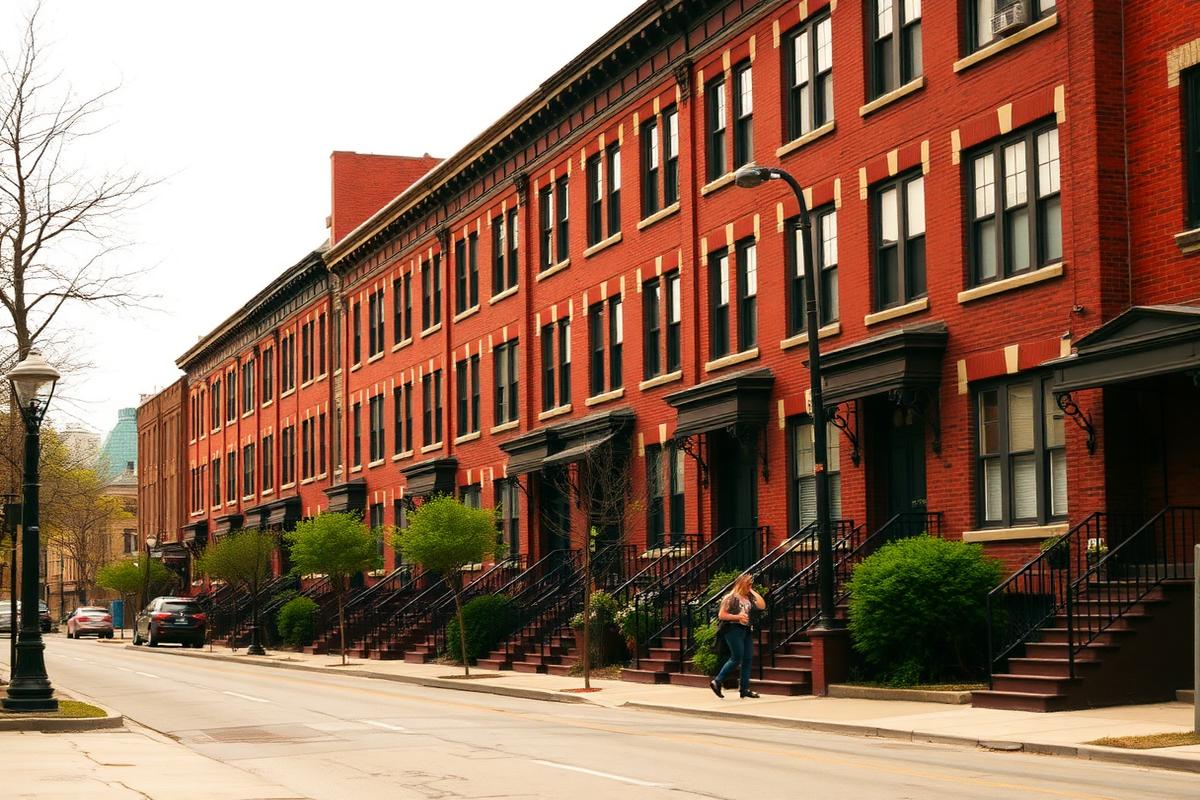
Stroll north from Franklin Court to Elfreth's Alley, America's oldest continuously inhabited residential street. As you wander down this narrow, cobblestone lane, you'll feel transported back to the 18th century. The 32 preserved homes, many dating back to 1720, are a living testament to colonial Philadelphia and its working-class residents. Imagine artisans, blacksmiths, and seamstresses going about their daily lives, the sounds of their crafts echoing through the alley. The architecture – a mix of Georgian and Federal styles – with its brick facades, shuttered windows, and narrow doorways, speaks volumes about the early American urban landscape.
Take your time to admire the charming details: the window boxes bursting with flowers, the flickering gas lamps, and the small, intimate courtyards. While many of these homes are still privately owned, two are open to the public as a museum, offering a deeper insight into the domestic life of Philadelphia's early citizens. Elfreth's Alley provides a refreshing contrast to the grand governmental buildings, grounding the abstract ideals of revolution in the tangible reality of everyday colonial existence. It’s a place where history feels not just observed, but intimately experienced.
Betsy Ross House: Stitching a Symbol of Freedom
Just a short walk from Elfreth's Alley brings you to the modest home of Betsy Ross. While the historical veracity of her sewing the first American flag at George Washington's request is debated among historians, this charming 18th-century home stands as a beloved symbol of American patriotism and ingenuity. Whether an exact historical account or a cherished legend, the story of Betsy Ross embodies the spirit of countless individuals who contributed to the birth of the nation, often in unsung ways.
Enter the small, cozy rooms and imagine Betsy Ross, a skilled upholsterer, at work, perhaps stitching the stars and stripes that would become the enduring emblem of the United States. Docents in period attire are often on hand to share stories and answer questions, bringing the domestic life of the era to vivid life. The house is a testament to the hard work and dedication of ordinary people who played a part in extraordinary times. It reminds us that the revolution was not solely fought on battlefields or debated in legislative halls, but also nurtured in homes and workshops across the colonies.
Christ Church Burial Ground: Resting Place of Patriots
Conclude your historical immersion with a visit to Christ Church Burial Ground, a serene and reflective final resting place for some of America's most influential figures. Located on Arch Street, this historic cemetery, consecrated in 1719, is the burial site of five signers of the Declaration of Independence, including the formidable Benjamin Franklin and his wife Deborah, as well as Dr. Benjamin Rush, a prominent physician and signer. Standing amongst the ancient gravestones, some weathered by centuries, provides a somber yet powerful connection to the past.
You'll often see pennies scattered on Benjamin Franklin's grave, a playful nod to his famous adage, "A penny saved is a penny earned." Take a moment to reflect on the lives of these individuals, whose courage and vision laid the foundation for the United States. The quiet solemnity of the burial ground allows for contemplation of their sacrifices and enduring legacies. This final stop underscores the human cost and profound commitment involved in forging a new nation, offering a poignant end to your revolutionary walking tour.
Final Word
Philadelphia is more than just a collection of historical sites; it is a living, breathing testament to the enduring human spirit of independence and self-governance. As you retrace the steps of the Founding Fathers and the everyday citizens who lived through such momentous times, you’ll find yourself not just observing history, but truly experiencing it. Each cobblestone, each brick, each preserved artifact whispers tales of courage, intellect, and the unwavering belief in a better future. So pack your walking shoes, open your mind, and prepare to be deeply moved by the revolutionary heart of America.
Frequently Asked Questions
How much does it cost to tour Independence Hall and the Liberty Bell?+
Admission to the Liberty Bell Center is free and does not require tickets. Independence Hall tours are also free, but require timed tickets from March through December. These tickets can be reserved online for a small service fee or picked up on the day of your visit at the Independence Visitor Center (599 Market St, Philadelphia, PA 19106).
What are the operating hours for Independence Hall and the Liberty Bell?+
Independence Hall's operating hours vary by season, generally from 9:00 AM to 5:00 PM, with extended hours in peak season. The Liberty Bell Center is typically open daily from 9:00 AM to 5:00 PM. Always check the National Park Service website for the most current schedule before your visit (nps.gov/inde).
Where can I find parking near the historic sites in Old City Philadelphia?+
Parking is available at various garages and lots within walking distance of Independence Hall and the Liberty Bell. Options include the Bourse Garage (400 Ranstead St) and the Independence Park Garage (5th & Market St). Public transportation via SEPTA is also highly recommended due to limited street parking.
Can I visit Benjamin Franklin's gravesite, and is there an admission fee?+
Yes, you can visit Benjamin Franklin's gravesite, located at Christ Church Burial Ground (Arch St & N 5th St, Philadelphia, PA 19106). There is a small admission fee, usually a few dollars, which helps with the preservation of the historic site. Check their official website for current hours and pricing.
What is the best time of year to take a walking tour of Philadelphia's historic district?+
The best times for a walking tour are spring (April-May) and fall (September-October) due to pleasant weather and fewer crowds. Summers can be hot and humid, while winters can be cold. Weekdays generally offer a more relaxed experience than weekends.
Sources & Further Reading
Spotted an error? See our corrections policy. Curious about our research? Read our editorial policy and sources.