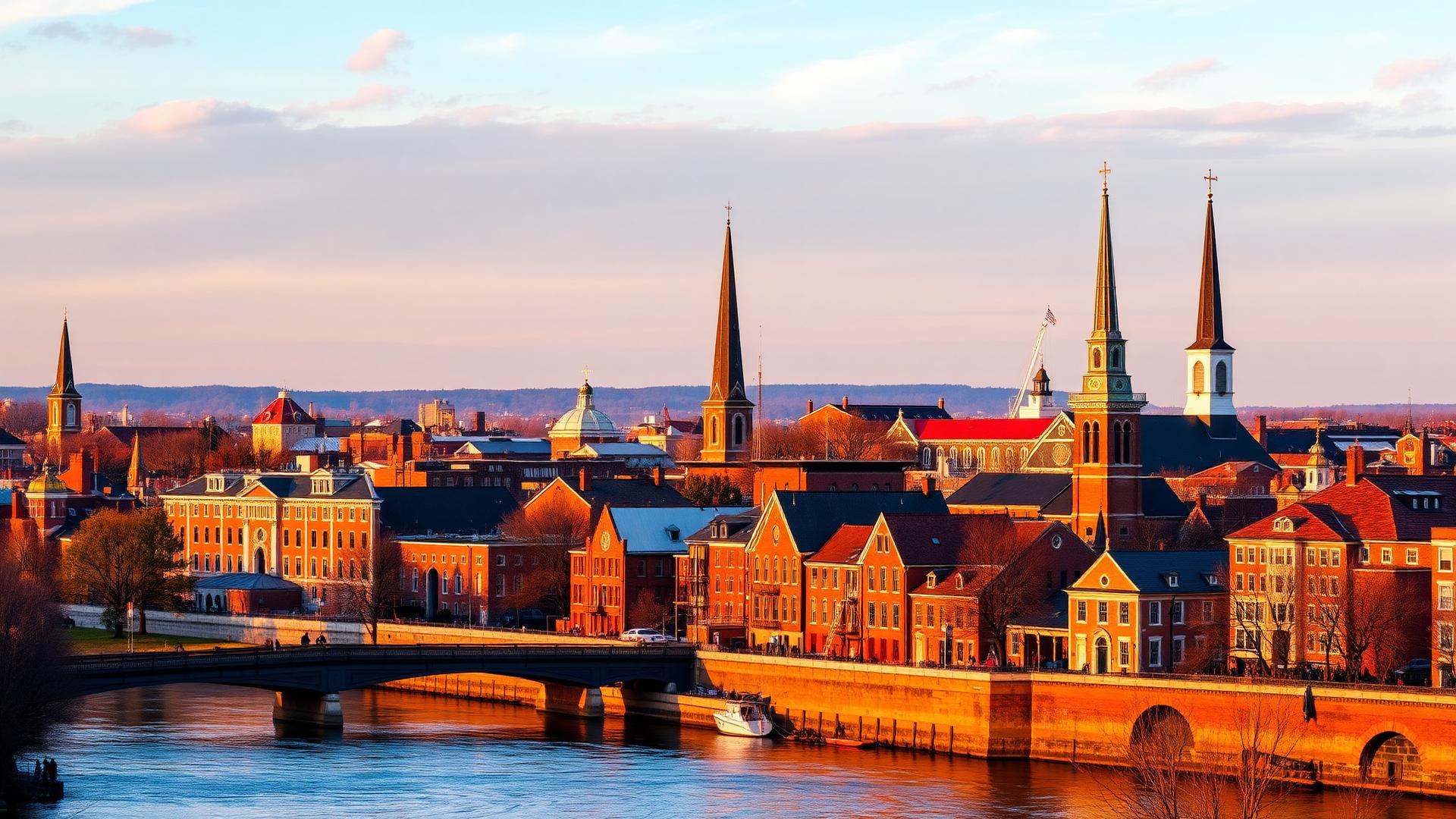
Chasing Fall Foliage Through Historic New England
Reviewed against our editorial policy and sources.
A seven-day route linking colonial villages, covered bridges, and the most vivid autumn color in the country.
From our reporting
Our recent autumn road trip through New England in 2024 brought the crisp scent of fallen leaves and the vibrant hues of sugar maples to life, making every historic stop unforgettable.
Key Takeaways
- New England offers diverse fall foliage routes, from coastal drives to mountain passes.
- Historic sites blend seamlessly with natural beauty, providing a rich cultural and scenic experience.
- Peak foliage varies by region and elevation, typically from late September to mid-October.
- Planning accommodations and dining in advance is crucial, especially during peak season.
- Covered bridges and colonial villages are iconic photo opportunities.
Imagine a canvas ablaze with crimson, gold, and amber, painted across rolling hills and along winding rivers. Now, picture that vibrant masterpiece not as a static image, but as a living, breathing landscape, steeped in centuries of American history and dotted with charming villages. This autumn, let Whitebeavers guide you on an unforgettable journey through New England, where the spectacle of fall foliage intertwines with the echoes of our nation’s past.
Day 1: Boston's Colonial Charms and Autumnal Glow
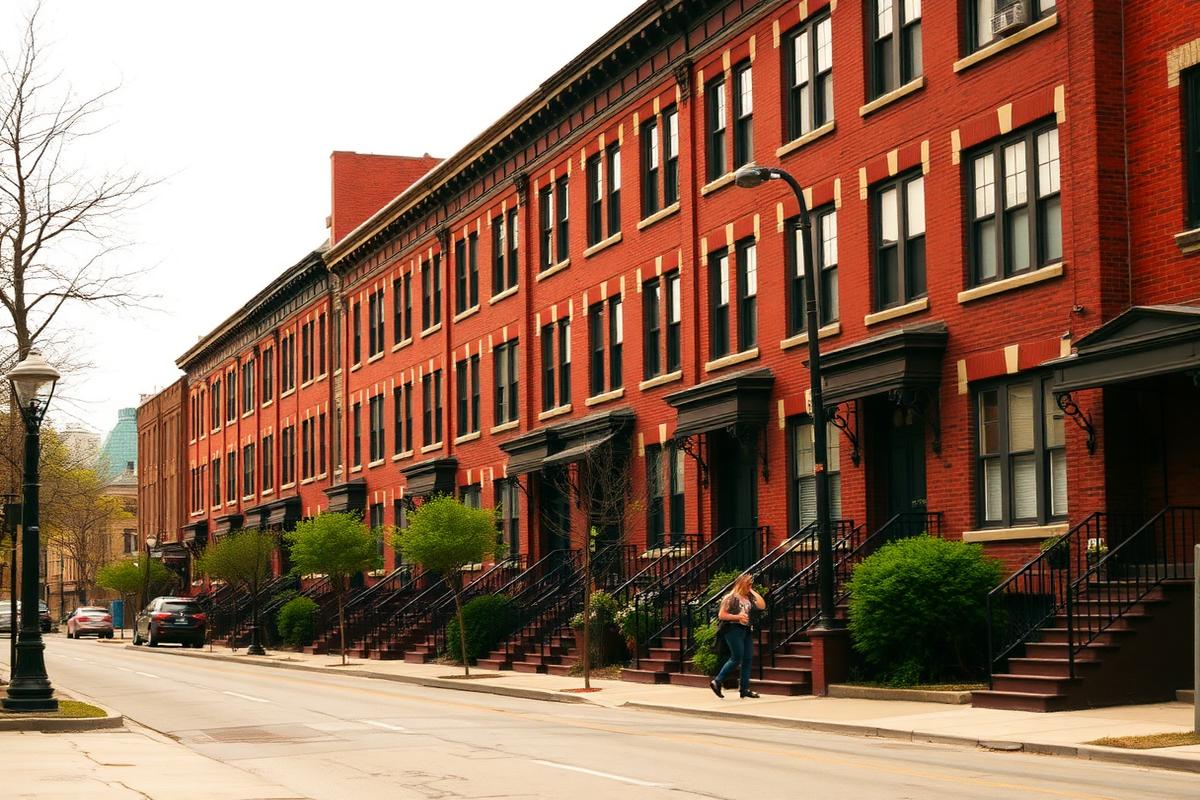
Your adventure begins in Boston, a city where every cobblestone whispers tales of revolution and enduring spirit. Arrive and settle into your accommodations, perhaps in the historic Beacon Hill district, with its gaslight-lined streets and elegant brick townhouses. Take a leisurely stroll along the Freedom Trail, tracing the footsteps of patriots from Boston Common to the USS Constitution. While the historical sites are compelling year-round, autumn adds a particular magic. The trees in the Public Garden and along the Esplanade begin their vibrant transformation, offering a brilliant backdrop to statues and swan boats.
As evening approaches, consider a quintessential Boston experience: a lobster dinner in the North End, the city’s thriving Italian enclave. Earlier in the day, you might have visited the Old North Church, where Paul Revere’s lanterns hung, signaling the British advance in 1775. The historical resonance here, particularly in the crisp autumn air, is palpable. Boston is not merely a starting point; it's a profound immersion into the foundational stories of America, now enhanced by nature's most dazzling display.
Day 2: Salem's Spectral Beauty and Coastal Drive
From Boston, venture north to Salem, a town forever linked to its infamous Witch Trials of 1692. But fear not, modern Salem is a captivating blend of history, maritime heritage, and vibrant arts, all set against a stunning autumnal backdrop. Start your day exploring the Peabody Essex Museum, one of the oldest and fastest-growing museums in the country, showcasing art and culture from around the globe, alongside significant collections relating to Salem’s past. Wander through the historic McIntire District, admiring the Federal-style architecture, beautifully framed by turning leaves.
After immersing yourself in Salem's unique history, including a visit to the Witch History Museum or the House of the Seven Gables, embark on a scenic drive along the coast. Route 127 will lead you through charming coastal towns like Manchester-by-the-Sea and Gloucester, offering breathtaking ocean views interspersed with pockets of brilliant foliage. The contrast of the Atlantic's deep blue against the fiery reds and oranges of the trees is a quintessential New England autumn tableau. This drive offers a serene counterpoint to the historical intensity of Salem, allowing you to absorb the natural beauty of the region.
Day 3: Merrimack Valley and the Covered Bridges of New Hampshire
Today, your journey takes you inland, into the heart of New Hampshire, a state renowned for its pristine beauty and, of course, its covered bridges. Begin your morning with a drive through the Merrimack Valley, a region significant for its early industrial history. Stops in towns like Lowell, Massachusetts, and Nashua, New Hampshire, can offer glimpses into the textile mills that powered America's early economy. The red brick of these old mill buildings, often reflected in the Merrimack River, acquires a nostalgic charm under the golden light of autumn.
As you proceed north, the landscape transforms, becoming more rural and mountainous. Seek out some of New Hampshire's iconic covered bridges. The Cornish-Windsor Covered Bridge, stretching majestically over the Connecticut River into Vermont, is one of the longest wooden covered bridges in the United States and a perfect spot for a photo opportunity amidst the riot of fall color. Another gem, the Haverhill-Bath Covered Bridge, offers a similar glimpse into a bygone era of craftsmanship and community. These wooden structures, often painted a classic red, stand as picturesque sentinels against the backdrop of fiery maples and shimmering birches.
Day 4: Vermont's Green Mountains and Quintessential Villages
Cross into Vermont, a state synonymous with pastoral beauty, artisanal food, and unparalleled fall foliage. Your route will wind through the heart of the Green Mountains, where the sugar maples truly put on their most spectacular show. Consider a stop in Woodstock, often called "the prettiest small town in America." Here, you'll find elegant Federal and Georgian homes, a village green, and the iconic Middle Covered Bridge. Explore the Billings Farm & Museum, a working dairy farm and agricultural museum, offering insights into Vermont’s rural heritage.
Continue north to Stowe, nestled at the foot of Mount Mansfield, Vermont's highest peak. The drive to Stowe through Smugglers' Notch offers breathtaking vistas, especially as the leaves reach their peak. The area around Stowe is a hiker's paradise, even in autumn, with trails offering panoramic views of the turning leaves. Take a gondola ride up Mount Mansfield for an unparalleled perspective of the vast sea of color stretching to the horizon. In the evening, savor hearty New England fare in a cozy inn, perhaps with a local craft beer or hard cider, embracing the comforting warmth of Vermont hospitality.
Day 5: Lake Champlain and Adirondack Views
Today, journey west towards Burlington, Vermont's largest city, situated on the shores of Lake Champlain. The drive offers changing scenery, from rolling hills to broader valley views, with the Adirondack Mountains of New York visible across the vast expanse of the lake. Burlington itself is a vibrant, sophisticated city with a friendly, laid-back atmosphere. Stroll along the Church Street Marketplace, a pedestrian mall bustling with shops, restaurants, and street performers. Enjoy lunch with a view of Lake Champlain, where the fall colors on the distant shores and islands create a stunning panorama.
In the afternoon, consider a scenic cruise on Lake Champlain. From the water, you gain a unique perspective on the surrounding landscape. The shores of Vermont and New York, ablaze with autumn hues, are mirrored in the calm waters of the lake, creating picture-perfect reflections. The cool, crisp air off the lake, combined with the visual spectacle, is an truly invigorating experience. As the day draws to a close, find a cozy spot for dinner, perhaps sampling some of Vermont’s famed cheddar cheese or maple-infused dishes, reflecting on the natural grandeur you’ve witnessed.
Day 6: Western Massachusetts and the Berkshires
Depart Vermont and head south into Western Massachusetts, a region characterized by its rolling hills, artistic communities, and stunning autumnal display: the Berkshires. This area has long been a haven for artists, writers, and musicians, drawn by its natural beauty and inspiring tranquility. Begin your exploration in North Adams, home to MASS MoCA (Massachusetts Museum of Contemporary Art), an expansive and innovative museum housed in converted 19th-century mill buildings. The juxtaposition of industrial architecture and groundbreaking art, set against a backdrop of brilliant foliage, is striking.
Continue south to the charming town of Lenox, often considered the cultural heart of the Berkshires. Here you can visit The Mount, Edith Wharton's elegant estate, or explore Ventfort Hall Mansion and Gilded Age Museum, offering a glimpse into the opulent lives of the era. The drives through this region, particularly along Route 7 and side roads, are a feast for the eyes, with towering oaks and maples creating tunnels of color. Each turn reveals a new vista, a quintessential New England farm, or a historic church steeple piercing the colorful canopy. This region truly embodies a harmonious blend of artistic heritage and natural splendor.
Day 7: Historic Deerfield and Return to Boston
On your final day, make your way from the Berkshires towards Boston, with a significant stop in Historic Deerfield. This meticulously preserved 18th-century New England village offers an unparalleled window into early American life. Wander through twelve historic house museums, furnished with antique pieces, and interact with costumed interpreters who bring the past to vivid life. The village is set amidst a picturesque rural landscape, and in autumn, the vibrant foliage provides a magnificent, authentic backdrop to these architectural treasures. You'll gain a profound appreciation for the ingenuity and resilience of early American settlers.
After immersing yourself in Historic Deerfield, continue your return journey to Boston. As you drive, reflect upon the incredible diversity of experiences you’ve encountered: the revolutionary spirit of Boston, the spectral charm of Salem, the engineering marvels of covered bridges, the serene beauty of Vermont’s mountains and lakes, and the cultural richness of the Berkshires. Each region, while distinct, contributed its unique thread to the rich tapestry of New England history, all brought to life by the unparalleled artistry of autumn's embrace. Depart Boston, carrying memories of color, history, and the timeless allure of New England in fall.
A Tapestry of Time and Color
This seven-day sojourn through New England offers more than just a tour; it's an immersion into the very soul of America, cloaked in the breathtaking grandeur of autumn. Our founders walked these lands, built these towns, and forged a nation amidst these very forests. To witness their legacy illuminated by the fiery brilliance of changing leaves is an experience that transcends mere sightseeing. It is an invitation to connect with history on a profound and personal level, to feel the crisp air, smell the fallen leaves, and hear the stories whispered by colonial homes and ancient trees. Whitebeavers invites you to chase this unforgettable fall foliage, and in doing so, discover a deeper appreciation for both nature's artistry and the enduring spirit of our past.
Frequently Asked Questions
When is the best time to see fall foliage in New England?+
Peak fall foliage in New England typically occurs from late September in northern regions (like Vermont and New Hampshire) to mid-October in southern areas (like coastal Massachusetts). It varies annually based on weather conditions.
What New England states are best for fall foliage drives?+
Vermont, New Hampshire, Maine, and Massachusetts are renowned for their spectacular fall foliage. Each state offers unique scenic drives and historic towns, perfect for autumn exploration.
Are there specific scenic routes recommended for fall foliage?+
Yes, classic routes include Vermont's Route 100, New Hampshire's Kancamagus Highway, and sections of the Mohawk Trail in Massachusetts. These routes offer stunning vistas and access to charming villages.
What historic sites can I visit during a New England fall foliage trip?+
Consider visiting Minute Man National Historical Park in Massachusetts, Old Sturbridge Village, and historic districts in towns like Concord and Lexington. Many state parks also have historic structures.
Where can I find real-time fall foliage updates for New England?+
Many state tourism boards, such as VermontVacation.com and VisitNH.gov, provide real-time fall foliage trackers and predictions closer to the autumn season each year.
Sources & Further Reading
Spotted an error? See our corrections policy. Curious about our research? Read our editorial policy and sources.