10 National Park Service Historic Sites Worth a Detour
Reviewed against our editorial policy and sources.
Beyond the famous parks lies an extraordinary network of historic landmarks managed by NPS rangers.
From our reporting
Our visit to Colonial National Historical Park in 2024 brought history to life, from the reconstructed Jamestown Fort to the Yorktown Battlefield where we could almost hear the cannons.
Key Takeaways
- NPS historic sites offer diverse experiences, from battlefields to birthplaces and preserved cultural landscapes.
- These sites provide a deeper understanding of American history beyond natural wonders.
- Many sites offer ranger-led tours, interactive exhibits, and living history demonstrations.
- Visiting historic sites supports their preservation and educational programs.
- Plan ahead by checking individual site websites for operating hours, entry fees, and special events.
Imagine standing where revolutionary fervor sparked, where the footsteps of civil rights pioneers echo, or where the sheer will of human enterprise shaped a nation. While America's beloved national parks draw millions to their breathtaking natural wonders, another extraordinary network of sites, meticulously preserved and powerfully interpreted by the National Park Service, offers a different kind of journey – a profound immersion into the very fabric of our history. These are not merely dusty relics; they are vibrant portals to the past, inviting you to step off the well-trodden path and discover the stories that continue to define us.
As thoughtful travelers seeking depth and authenticity, you understand that some of the most compelling narratives reside not in grand monuments alone, but in the intimate places where history was lived, fought, and forged. Whitebeavers invites you to explore ten such National Park Service historic sites, each well worth a detour, promising revelations, quiet contemplation, and a deeper connection to the American experience, inspiring you to discover the less obvious but equally vital chapters of our shared heritage.
Fort Point National Historic Site, California
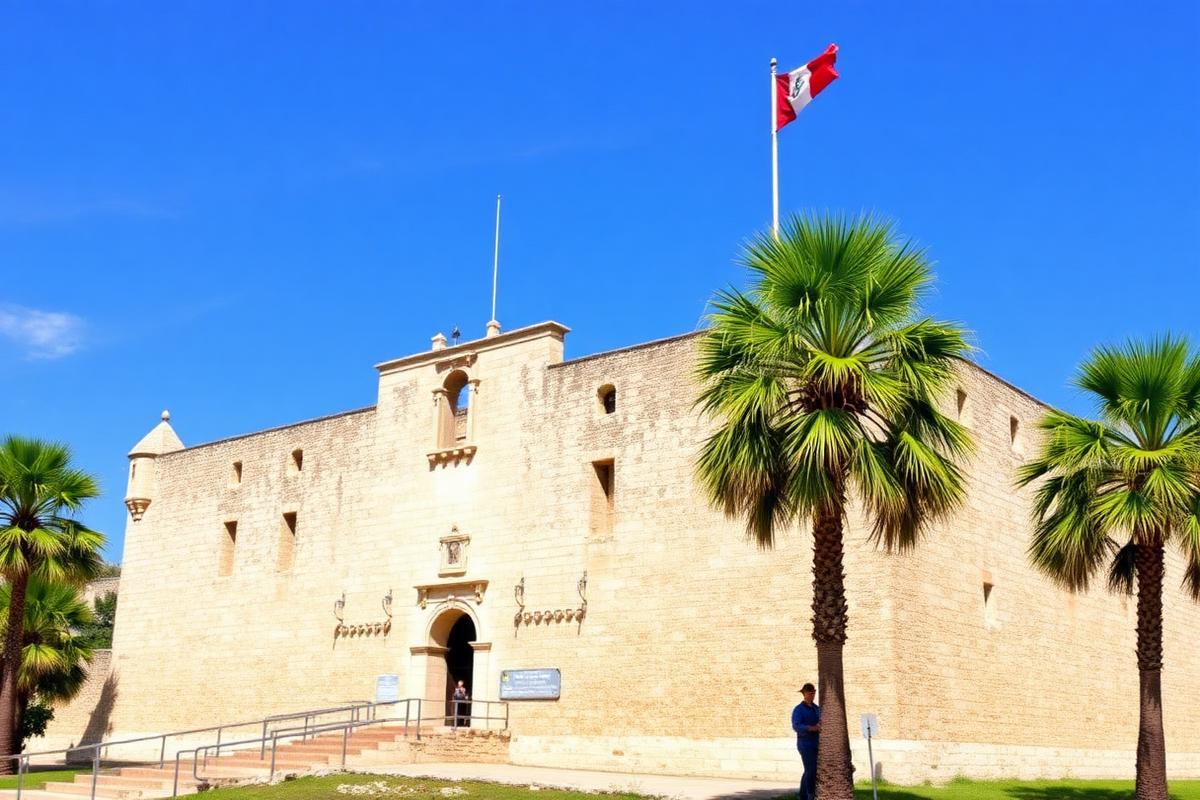
Beneath the iconic orange span of the Golden Gate, where turbulent waters meet a steadfast fort, you'll find Fort Point National Historic Site. This magnificent Civil War-era brick fortress, remarkably preserved, was designed to protect San Francisco Bay from attack. Built between 1853 and 1861, its robust masonry walls, featuring three tiers of arched casemates, stand as a testament to 19th-century military engineering.
Walking its cool, damp passages, you can almost hear the rumble of cannons and the shouts of soldiers. Imagine the Union troops stationed here, peering through embrasures at the vast Pacific horizon, their purpose clear, their lives intertwined with the nation's uncertain future. The site offers ranger-led programs that bring its history to life, detailing its construction challenges, its role in coastal defense, and the everyday lives of those who served within its formidable walls. On a blustery day, the roar of the ocean and the creak of the structure create an unforgettable, atmospheric experience, allowing you to appreciate the strategic significance of this monumental guardian. Don't forget your camera for stunning views of the Golden Gate Bridge from an unparalleled perspective.
Entry is free, and the site is accessible via public transportation or by car, with limited parking available. Check the NPS website for current operating hours and program schedules. This is more than just a fort; it's a window into the ingenuity and anxieties of a rapidly expanding nation, set against one of America's most recognizable backdrops.
Nicodemus National Historic Site, Kansas
Journey into the heart of the Great Plains, to Nicodemus, Kansas, a place of profound resilience and aspiration. This small, unassuming community holds the distinction of being the only remaining western town established by African Americans during the Reconstruction period that is still populated today. Founded in 1877 by ex-slaves seeking freedom and opportunity in the "Promised Land" of Kansas, Nicodemus stands as a powerful symbol of the "Exodusters" movement.
As you visit the First Baptist Church, the AME Church, the schoolhouse, and the remaining general store, you'll gain an appreciation for the courage and determination of these pioneers. They carved a life out of the prairie, facing harsh environmental conditions and the daunting task of building a community from scratch, far from the oppression of the South. The NPS manages several historic structures, interpreting the town's founding, its peak prosperity in the late 19th century, and its enduring legacy.
Engage with the descendants of the original settlers who often share their family stories and keep the spirit of Nicodemus alive. The annual Homecoming celebration in late July is a vibrant event, drawing families back to celebrate their heritage. This site offers a poignant reminder of the relentless pursuit of self-determination and the strength of community in the face of adversity, inviting you to reflect on the American dream through a powerful, often overlooked, lens.
Pullman National Historical Park, Illinois
Just south of Chicago, you'll step into a meticulously planned industrial town that was once heralded as a utopian experiment: Pullman. Conceived by industrialist George M. Pullman in 1880, this company town was designed to attract skilled workers for his Pullman Palace Car Company, manufacturing luxurious railroad sleeping cars. Here, workers lived in company-owned houses, shopped at company stores, and even prayed in company churches, all under Pullman's benevolent yet ultimately controlling gaze.
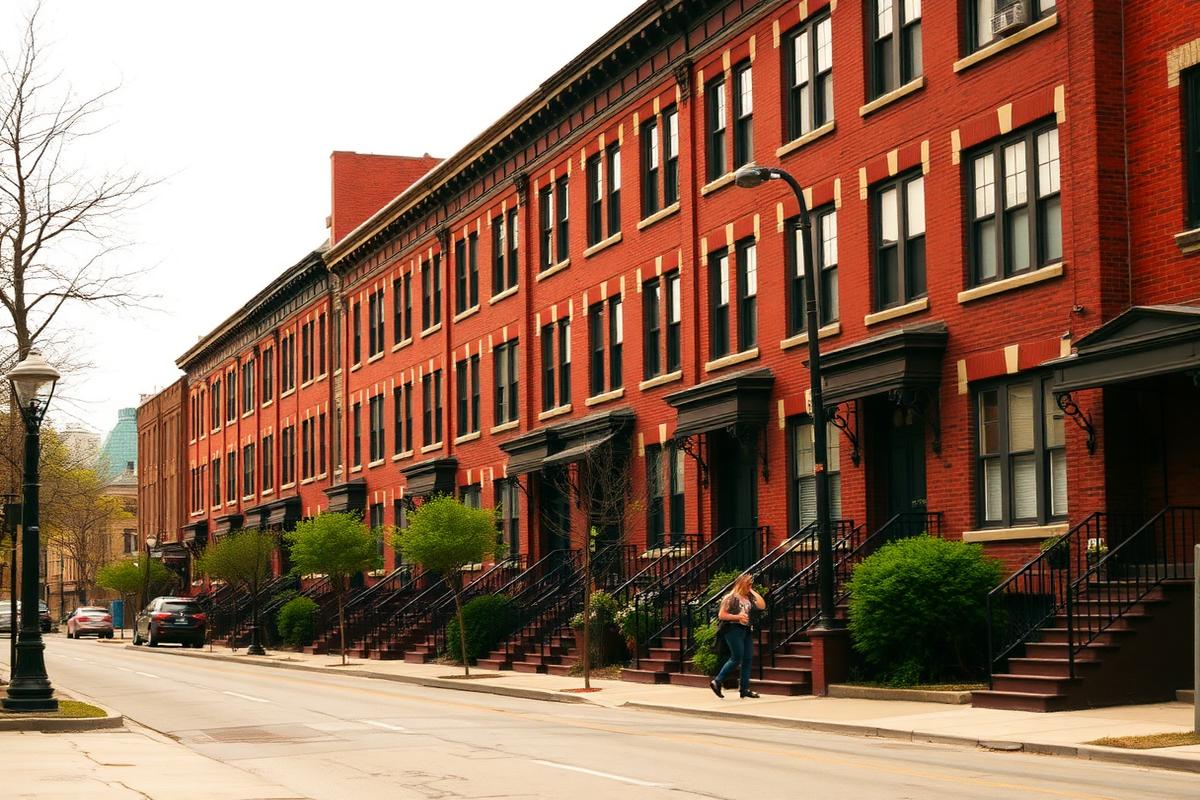
Today, the visitor center, housed in the exquisitely restored Hotel Florence, offers a compelling introduction to this unique social experiment. Wander through the tree-lined streets, admire the distinctive brick architecture of the workers' homes, and visualize the lives of the people who inhabited this perfectly ordered world. The park interprets not only the grandeur of Pullman's vision but also the simmering discontent that led to the pivotal 1894 Pullman Strike, a landmark event in American labor history that forever changed the relationship between industry and its workers.
Strolling around the neighborhood, you'll feel the palpable sense of history. Many original homes are still privately owned and beautifully maintained, giving you a glimpse into a living historical landscape. The park also hosts various events and walking tours, providing deeper insights into the town's design, its social strata, and its profound impact on urban planning and labor rights movements. Pullman is a fascinating case study in American industrialization, social reform, and the complex interplay of power and community.
New Bedford Whaling National Historical Park, Massachusetts
On the cobblestone streets of New Bedford, a vibrant port city in southeastern Massachusetts, you'll discover the rich maritime heritage of America's 19th-century whaling industry. This National Historical Park encompasses a 13-block area of the historic district, where you can practically inhale the scent of sea salt and hear the ghosts of bustling dockyards. New Bedford was, for a time, the wealthiest city per capita in the world, its fortunes built on the dangerous and arduous pursuit of whales.
Your visit should begin at the park's visitor center, housed in an atmospheric 19th-century building, where rangers provide maps and context. From there, explore the iconic Mariners' Home, a sanctuary for sailors, and walk along Water Street, imagining the taverns and supply shops that once catered to whaling crews. The New Bedford Whaling Museum, while not part of the NPS, is adjacent to the park and an essential companion, housing magnificent whale skeletons, scrimshaw, and meticulous exhibits that delve into the global reach and technological advances of the industry.
Meticulously preserved architecture, from grand captains' homes to simple seamen's cottages, tells a story of immense wealth, profound hardship, and daring voyages to every corner of the globe. This is where Herman Melville's Ishmael and Captain Ahab began their fateful journey in "Moby Dick," and the park does an excellent job of bringing that literary connection to life. As you wander, you'll gain a deep appreciation for the ingenuity, risk, and cultural diversity that defined New Bedford's golden age, and the eventual decline of an industry that once fueled a nation.
Manzanar National Historic Site, California
In the stark, high desert landscape of California's Owens Valley, against the majestic backdrop of the Sierra Nevada mountains, lies Manzanar National Historic Site. This once-isolated detention camp stands as a solemn and powerful reminder of one of the darkest chapters in American civil liberties: the forced incarceration of over 110,000 Japanese Americans during World War II. From 1942 to 1945, Manzanar held thousands of men, women, and children, stripped of their freedom and constitutional rights.
Walking the grounds, you'll encounter reconstructed barracks, a mess hall, and a poignant monument at a cemetery. The excellent visitor center features compelling exhibits, oral histories, and artifacts, providing deep insight into the daily lives, resilience, and systemic injustice experienced by those incarcerated here. The experience is profoundly moving, prompting introspection on loyalty, prejudice, and the fragility of civil rights during times of national crisis.
The wind whips through the sagebrush, echoing the desolation and isolation that prisoners endured. The site actively preserves the memory and lessons of the incarceration, urging visitors to learn from the past. Every April, an annual pilgrimage draws former internees, their descendants, and supporters back to Manzanar, reinforcing its enduring historical and emotional significance. A visit here is not simply an historical tour; it is a vital act of remembrance and a call to vigilance against similar injustices.
Minuteman Missile National Historic Site, South Dakota
Venture into the austere plains of South Dakota, near Badlands National Park, and discover a chillingly powerful legacy of the Cold War at the Minuteman Missile National Historic Site. This site uniquely preserves remnants of a once-vast Minuteman Intercontinental Ballistic Missile (ICBM) field, offering an unparalleled glimpse into the nuclear arms race and the doctrine of Mutually Assured Destruction (MAD). It is an unexpected, yet utterly vital, piece of American history.
Your journey begins at the visitor center, offering a sobering introduction to the Cold War era. From there, you can visit three distinct, preserved facilities. The Delta-09 Launch Facility, an above-ground missile silo with its original launch tube, displays a deactivated Minuteman II missile. While you can't go underground here, you can peer through a protective glass to see the missile standing ready, a silent sentinel.
The true immersion comes with a ranger-guided tour of the Delta-01 Launch Control Facility. Descending 31 feet below the surface into the underground control room, you'll stand where two missileers once sat, 24/7, ready to turn the key that could have initiated global nuclear war. The cramped quarters, the sophisticated equipment, and the sheer responsibility they bore are palpable. Pre-booking these tours is essential due to limited capacity. This site is a profound reflection on technological power, human fallibility, and the peace maintained through the terrifying balance of nuclear deterrence.
Rosie the Riveter/WWII Home Front National Historical Park, California
In Richmond, California, on the shores of San Francisco Bay, a lesser-known but incredibly significant story of World War II unfolds: the transformation of the American home front. Rosie the Riveter/WWII Home Front National Historical Park celebrates the contributions of millions of women and minorities who stepped into manufacturing and industrial roles, often for the first time, to support the war effort. This park honors the women, like the iconic "Rosie the Riveter," who built ships, planes, and munitions, forever altering the landscape of American labor and society.
Begin your visit at the park's visitor center, housed in a former Ford Assembly Plant Office Building. Here, you'll encounter compelling exhibits, photographs, and oral histories that bring to life the stories of the men and women who worked in Richmond's Kaiser Shipyards, one of the most prolific wartime ship-building centers. Learn about the challenges they faced, from racial segregation to gender discrimination, and the immense pride they took in their work.
The park also offers driving and walking tours of various relevant sites around Richmond, including the Kaiser Shipyard No. 3 and the Richmond Maritime Center, which preserves historic vessels. You might even meet former "Rosies" who volunteer at the park, eager to share their personal experiences. This site is an uplifting testament to American ingenuity and perseverance, proving that the home front was as vital to victory as any battlefield, and highlighting the enduring legacy of the women who redefined their roles and paved the way for future generations.
Final Word
From the strategic outposts of coastal defense to the quiet struggles for civil rights, from the grand ambitions of industrial visionaries to the wrenching decisions of the Cold War, these ten National Park Service historic sites offer far more than just facts and dates. They provide immersive experiences that deepen your understanding of America's complex, compelling narrative. Each detour you make to these treasured places is an investment in connecting with the heart and soul of our nation, unraveling the threads that weave through generations, and discovering the stories that continue to shape who we are. As thoughtful travelers, you seek not just to see history, but to feel it, absorb it, and carry its lessons forward. These sites, meticulously cared for by the National Park Service, deliver exactly that, promising journeys of profound discovery and lasting resonance.
Frequently Asked Questions
What is the most visited NPS historic site?+
The Blue Ridge Parkway, a 469-mile scenic road, is consistently the most visited unit of the National Park System, offering stunning views and access to numerous historical and cultural sites along its route through Virginia and North Carolina.
Are NPS historic sites free to enter?+
Many NPS historic sites are free, but some may charge an entrance fee. It's best to check the specific site's official website for current fee information, as well as details on any available passes like the America the Beautiful Pass.
How can I find NPS historic sites near me?+
You can find NPS historic sites near you by visiting the official National Park Service website (nps.gov) and using their 'Find a Park' feature, filtering by 'History & Culture' to explore options in your desired location.
Can I volunteer at NPS historic sites?+
Yes, many NPS historic sites welcome volunteers for various roles, including interpretation, maintenance, and administrative support. Information on how to apply can usually be found on the individual park's website under their 'Get Involved' section.
What's the difference between a National Historical Park and a National Historic Site?+
Both preserve historically significant places, but National Historical Parks are generally larger areas that protect multiple resources associated with a broad historical theme, while National Historic Sites often focus on a single significant resource or event.
Sources & Further Reading
Spotted an error? See our corrections policy. Curious about our research? Read our editorial policy and sources.