Driving California's 21 Spanish Missions
Reviewed against our editorial policy and sources.
El Camino Real linked San Diego to Sonoma — a 600-mile chain that shaped California's landscape and its painful colonial legacy.
From our reporting
I recently drove portions of El Camino Real, noting the distinct architectural styles and the enduring, yet complicated, beauty of these historic missions firsthand in 2024.
Key Takeaways
- El Camino Real connected 21 Spanish missions over 600 miles.
- The missions profoundly influenced California’s landscape and development.
- The legacy of the Spanish missions includes significant cultural and social impacts on indigenous populations.
- The architecture reflects Spanish colonial design, often adapted with local materials and techniques.
- Many missions are open for public visitation, offering a glimpse into early California history.
Imagine a path, stretching for hundreds of miles under the golden California sun, connecting disparate outposts into a nascent society. This is El Camino Real, the Royal Road, a historic artery that wove together the breathtaking landscape with a dramatic, often turbulent, human story. For the thoughtful traveler, embarking on a journey along this legendary route is not merely a sightseeing trip; it’s an immersive passage through the very bedrock of California’s identity, inviting you to witness the enduring legacy of 21 Spanish missions.
Your adventure promises a mosaic of architectural marvels, spiritual sanctuaries, and poignant reminders of the complex interactions that forged this land. From bustling cities to tranquil farmlands, the missions punctuate the landscape like ancient sentinels, each whispering tales of Franciscan friars, indigenous peoples, and the birth of a new frontier. As you trace their path, you’ll not only connect with the past but also gain a deeper understanding of the forces that continue to shape California today.
The Genesis of El Camino Real
The story of the California missions begins not with gold, but with a strategic imperial ambition. In the late 18th century, Spain sought to secure its northern frontier against encroaching Russian and British interests. Their solution was a dual strategy: presidios (military forts) and missions, established by the Franciscan order under the charismatic leadership of Father Junípero Serra. Serra, a Mallorcan priest, arrived in what is now Baja California in 1768, embarking on a journey that would define much of California's colonial history.
The first mission, San Diego de Alcalá, was established in 1769, marking the southern terminus of what would become the mission chain. Over the next 50 years, 20 more missions stretched north, eventually reaching Mission San Francisco Solano in Sonoma in 1823. Each mission was strategically placed roughly a day’s journey apart by horseback, ensuring a network of supply, communication, and spiritual dominion. This interconnectedness truly brought El Camino Real to life, a vital artery for the emerging Spanish colony. Understanding this foundational period is key to appreciating the layered history embedded within each brick and adobe wall.
Architectural Echoes of Spain
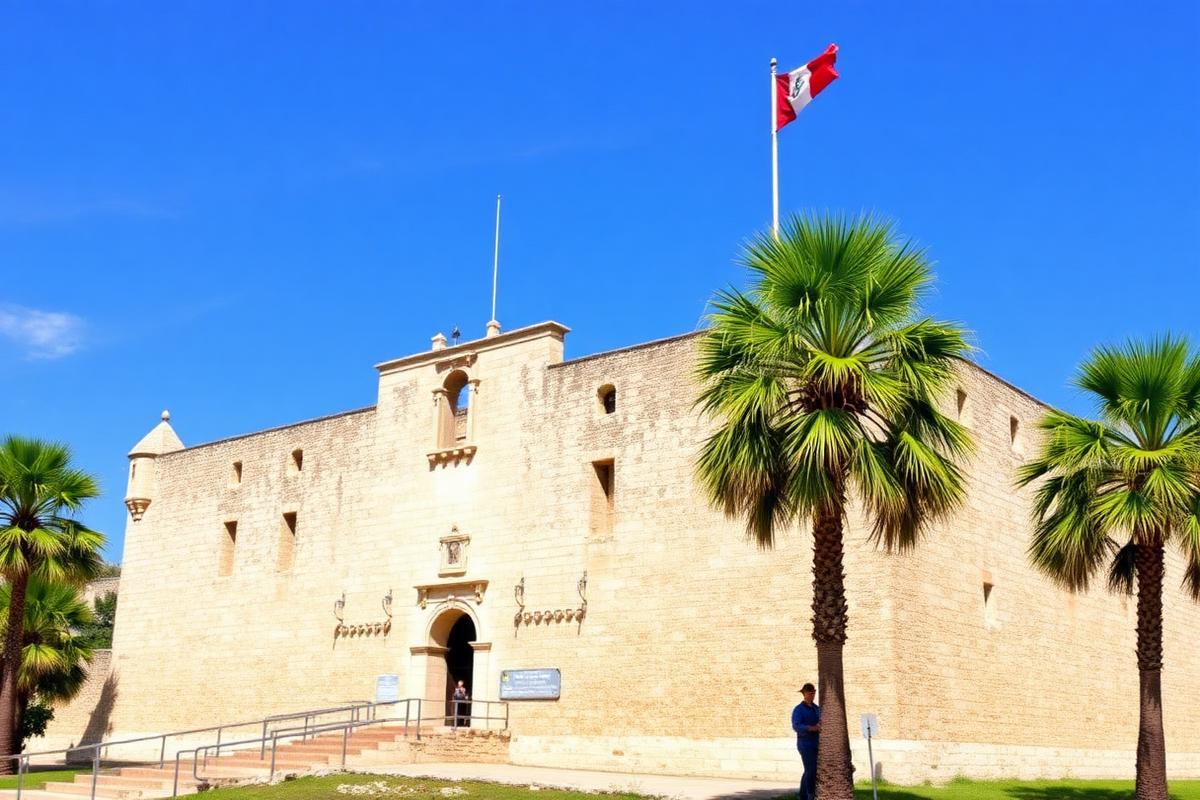
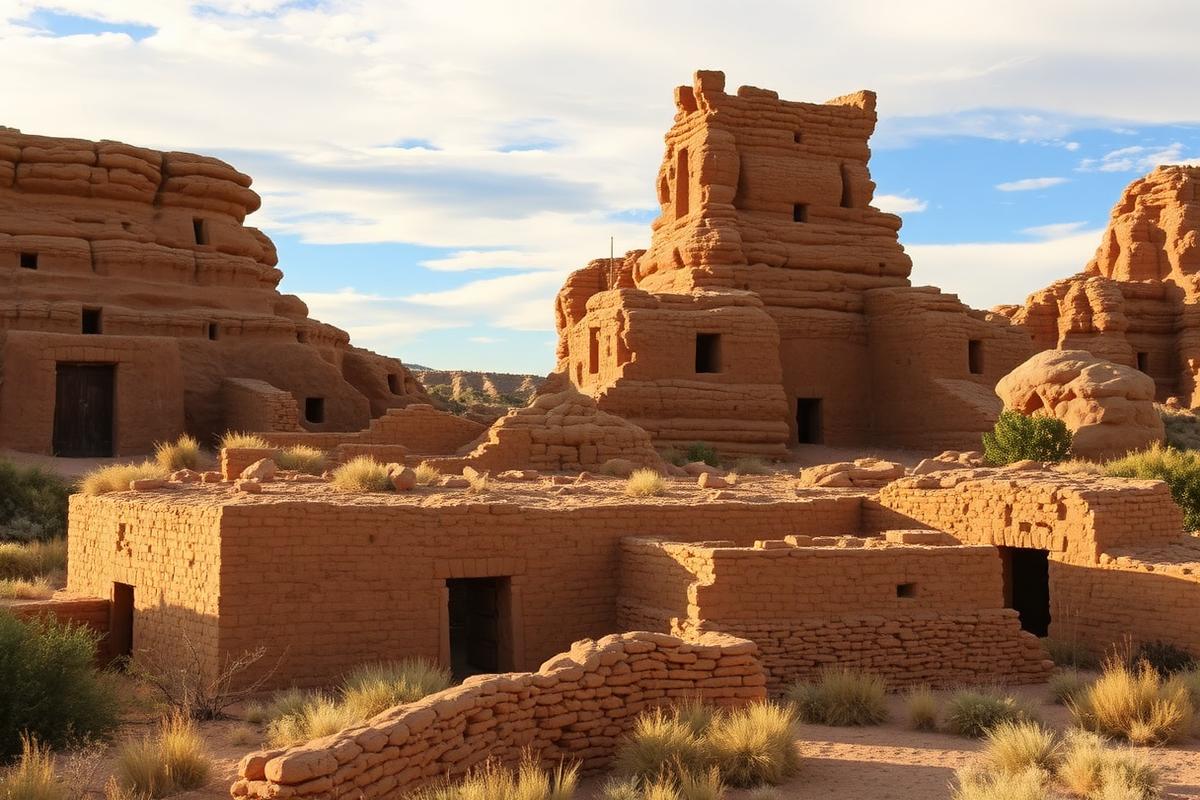
As you visit the missions, you’ll be struck by their distinctive architecture, a beautiful and sturdy blend of Spanish colonial and indigenous influences. The core design, often a quadrangle surrounding a central courtyard, was practical, providing defense, living quarters, workshops, and agricultural space. The materials were local: adobe bricks, timber from nearby forests, and roof tiles handcrafted from clay. Yet, each mission possesses its own unique character, borne from the resources available, the skills of its builders, and the vision of its padre presidentes.
Take, for example, Mission San Juan Capistrano, often called the "Jewel of the Missions." It boasts magnificent stone ruins, including the remnants of a Great Stone Church that was tragically destroyed by an earthquake in 1812. The soaring arches and thick walls hint at grand ambitions. In contrast, Mission Santa Barbara presents a more European classical façade, often cited as the most beautiful of the California missions, with its twin bell towers and elaborate pediment. These architectural variations aren't just aesthetic; they tell a story of evolving construction techniques and regional adaptations over time. Notice the campanario (bell wall) at Mission San Gabriel Archangel, a unique design with six open niches for bells, or the simple elegance of Mission San Miguel Arcángel, whose original frescos still adorn its interior walls, offering a rare glimpse into the mission-era artistry.
Pay particular attention to the details: the hand-carved wooden doors, the restored fountains in the courtyards, and the subtle variations in bell tower designs. These elements speak to the ingenuity and enduring craftsmanship of the period, inviting you to imagine the lives lived within these historic walls. Many missions feature meticulously maintained gardens, offering a moment of peaceful contemplation amidst the historical grandeur.
Bearing Witness to a Complex Past
While the missions are undeniably beautiful, it's crucial to approach their history with a nuanced perspective. They represent a complex and often painful chapter for California's indigenous peoples, the unqiue and vibrant cultures of the Kumeyaay, Tongva, Chumash, Ohlone, and countless others. The missions were not just religious outposts; they were centers of forced conversion, labor, and cultural assimilation. Indigenous populations were compelled to adopt Spanish customs, language, and Christianity, often under harsh conditions, leading to significant cultural disruption and devastating population declines due to disease and forced labor.
As you explore, seek out the dedicated interpretive displays that address this difficult legacy. Many missions, through their museums and educational programs, are making concerted efforts to tell a more complete story, acknowledging the profound impact on Native American communities. For instance, at Mission San Luis Obispo de Tolosa, you can find exhibits detailing Chumash life before and during the mission era. At Mission La Purísima Concepción, extensively restored to resemble its operational period, you can gain a sense of the daily life and work that took place, but also reflect on the inherent inequities of the system. This journey offers an invaluable opportunity for reflection on colonial encounters and their enduring reverberations in American society.
Engage with the available resources – plaques, museum texts, and even docent tours – to understand the perspectives of the indigenous peoples who lived and worked within these mission walls. This historical empathy enriches your experience, transforming a simple visit into a profound lesson in cultural understanding and historical accountability.
Planning Your Expedition
Embarking on a journey along El Camino Real requires thoughtful planning, as the missions span hundreds of miles and present diverse experiences. While a dedicated road trip covering all 21 missions is an ambitious and rewarding endeavor, you might opt to explore them in smaller, regional clusters. The southern missions (San Diego to Santa Barbara) offer a warmer climate and a rich concentration of early establishments, while the central coast missions (San Luis Obispo to Monterey) are nestled amidst stunning natural beauty. The northern missions (San Juan Bautista to Sonoma) offer a glimpse into the later stages of the mission system.
Consider allocating at least an hour or two for each mission to truly absorb its history and atmosphere, with more time needed for larger sites like San Juan Capistrano or Santa Barbara. Check individual mission websites for opening hours, admission fees (many are nominal or by donation), and any special events or masses. Photography is generally permitted, but always be respectful, especially during services. Pack comfortable walking shoes, as you’ll be exploring courtyards, chapels, and gardens, and remember to bring water, especially during California’s warm seasons. A good map or GPS is essential, as the original El Camino Real often diverges from modern highways.
Regional Highlights and Must-Sees
No two missions are alike, and each holds a unique charm and historical significance. When traversing the southern leg, Mission San Diego de Alcalá, the very first, offers a powerful starting point for your journey. Further north, Mission San Juan Capistrano, with its famous swallows and romantic ruins, is an unforgettable stop. Don't miss Mission San Gabriel Archangel, with its Mudejar-style architecture and early viticulture history.
Along the central coast, Mission Santa Barbara stands out as arguably the most visually stunning, its pristine architecture earning it the moniker, “Queen of the Missions.” Nearby, Mission La Purísima Concepción provides an exceptional example of a completely restored mission compound, allowing you to walk through workshops, barracks, and living quarters as they would have appeared in the 1820s. Further inland, Mission San Miguel Arcángel preserves original frescoes painted by an indigenous artist, Estéban Munras, offering a vivid connection to the past.
As you venture northward, consider Mission San Carlos Borroméo del Carmelo in Carmel, Father Serra’s headquarters and burial place, and a beautifully restored site with impressive church architecture. Mission San Juan Bautista, adjacent to a historic plaza and earthquake fault, provides a fascinating glimpse into 19th-century California life. Finally, conclude your journey at Mission San Francisco Solano in Sonoma, the northernmost and last of the missions, built under Mexican rule and offering a distinct flavor. Each mission offers a unique perspective, ensuring your expedition is filled with continuous discovery.
Beyond the Bells: Engaging with the Legacy
More than just historical buildings, the California missions continue to be active parishes, cultural centers, and important educational sites. Many host annual festivals, art exhibits, and concerts, inviting you to experience their spiritual and community roles firsthand. Attending a mass in one of these historic chapels can be a deeply moving experience, connecting you to centuries of continuous worship. Look for opportunities to engage with local communities and learn how they interpret and preserve this shared heritage.
Before you depart, consider visiting the mission gift shops, which often feature crafts, books, and mementos that directly support ongoing preservation efforts. The California Missions Foundation is a key organization dedicated to the protection and preservation of sites along El Camino Real; supporting them helps ensure that these invaluable historical treasures remain for future generations. Your visit, therefore, is not just a passive observation, but an active contribution to the enduring story of California.
Final Word
Driving the 21 Spanish Missions of California is more than a road trip; it is a profound journey through time. It’s an opportunity to walk in the footsteps of history, to contemplate the forces that forged a state, and to engage with a layered past that continues to resonate today. As you witness the grandeur of the architecture, reflect on the complexities of colonial encounters, and embrace the spirit of discovery, you’ll find that El Camino Real offers not just sights, but deep, lasting insights into the very soul of California.
Frequently Asked Questions
How many Spanish missions are in California, and what route connects them?+
There are 21 Spanish missions in California, connected by El Camino Real. This historic route spans approximately 600 miles from San Diego to Sonoma, tracing the path established by early Spanish colonizers and missionaries.
What is the historical significance of the California missions, particularly for indigenous peoples?+
The California missions were pivotal in the Spanish colonization of California, aiming to convert native populations to Christianity and integrate them into colonial society. This process tragically led to significant cultural disruption, forced labor, and population decline among indigenous communities, a painful and complex part of California's history.
Can tourists visit the California missions today, and what can they expect to see?+
Yes, many of California's 21 missions are open to the public, offering museums, historical exhibits, and preserved adobe churches. Visitors can experience the architectural legacy, learn about daily life, and reflect on the missions' profound historical impact. Some missions also host active parishes and cultural events.
What architectural styles characterize the Spanish missions in California?+
The Spanish missions primarily exhibit Spanish Colonial and Mission Revival architectural styles, featuring adobe construction, red-tiled roofs, thick walls, and enclosed courtyards. These designs often incorporated local materials and labor, resulting in unique adaptations across the different missions while maintaining a consistent aesthetic.
Sources & Further Reading
Spotted an error? See our corrections policy. Curious about our research? Read our editorial policy and sources.