All ArticlesArchitecture

    A Visual Guide to Savannah's Architectural Styles

    W
    Whitebeavers Editorial Team
    Mar 29, 2026 · 8 min

    Reviewed against our editorial policy and sources.

    A Visual Guide to Savannah's Architectural Styles

    Federal, Greek Revival, Italianate, Gothic — how to read Savannah's historic buildings like a local.

    From our reporting

    Having explored Savannah's historic districts throughout 2023, the intricate details of its Federal and Greek Revival mansions remain a vivid memory, from wrought-iron balconies to sun-dappled courtyards.

    Key Takeaways

    • Savannah’s architecture reflects its rich history, from its founding in 1733 to its antebellum prosperity and post-Civil War preservation efforts.
    • Key architectural styles to identify include Federal, Greek Revival, Gothic Revival, Italianate, and Victorian.
    • Look for specific design elements like symmetrical facades, elaborate ironwork, soaring columns, and ornate detailing to discern different styles.
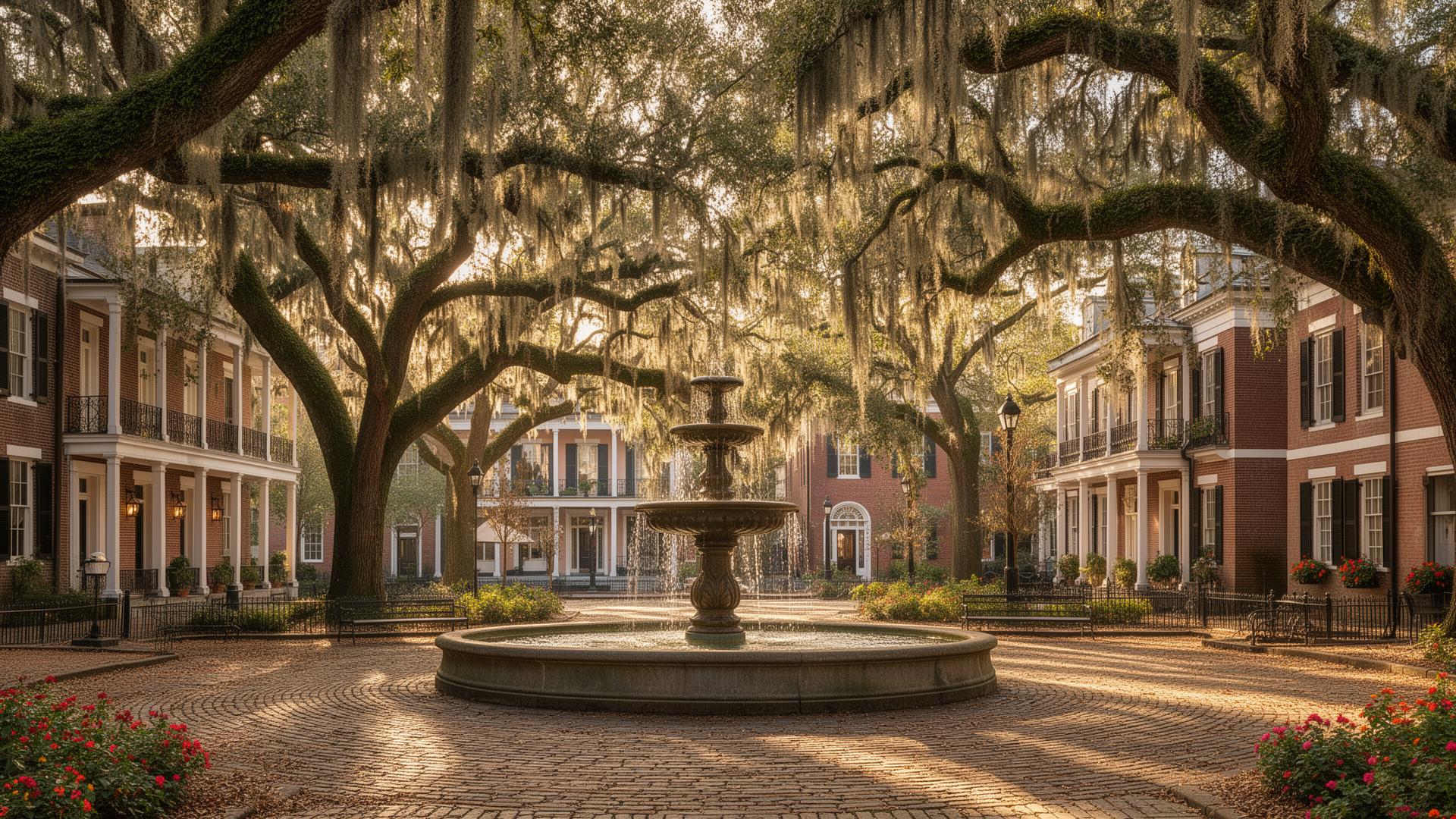
    • The city’s unique urban plan, with its 22 original squares, significantly influences how these architectural styles are experienced.
    • Preservation efforts play a crucial role in maintaining the authenticity and historical integrity of Savannah’s diverse architectural landscape.

    Imagine gas lamps casting a flickering glow on cobblestone streets, the scent of magnolias heavy in the air, and live oaks draped in Spanish moss whispering tales of centuries past. This is Savannah, Georgia, a city where history isn't just preserved; it breathes through every meticulously crafted brick and ornate ironwork detail. To truly experience Savannah, you must learn to read its architectural language, a rich tapestry woven from diverse styles, each telling a unique story of wealth, aspiration, and enduring beauty.

    The Founding Blocks: Colonial & Georgian Influences

    Your journey through Savannah’s architectural timeline begins with its very foundations. Established in 1733 by James Oglethorpe, the city's original plan, with its gridded streets and 24 picturesque squares, was a masterpiece of urban design rooted in Enlightenment ideals. While many original wooden structures have long since vanished, their spirit lives on in the materials and scale of later buildings. Early homes were often humble, functional, and built from tabby (a mixture of oyster shells, lime, sand, and water) or locally sourced wood.

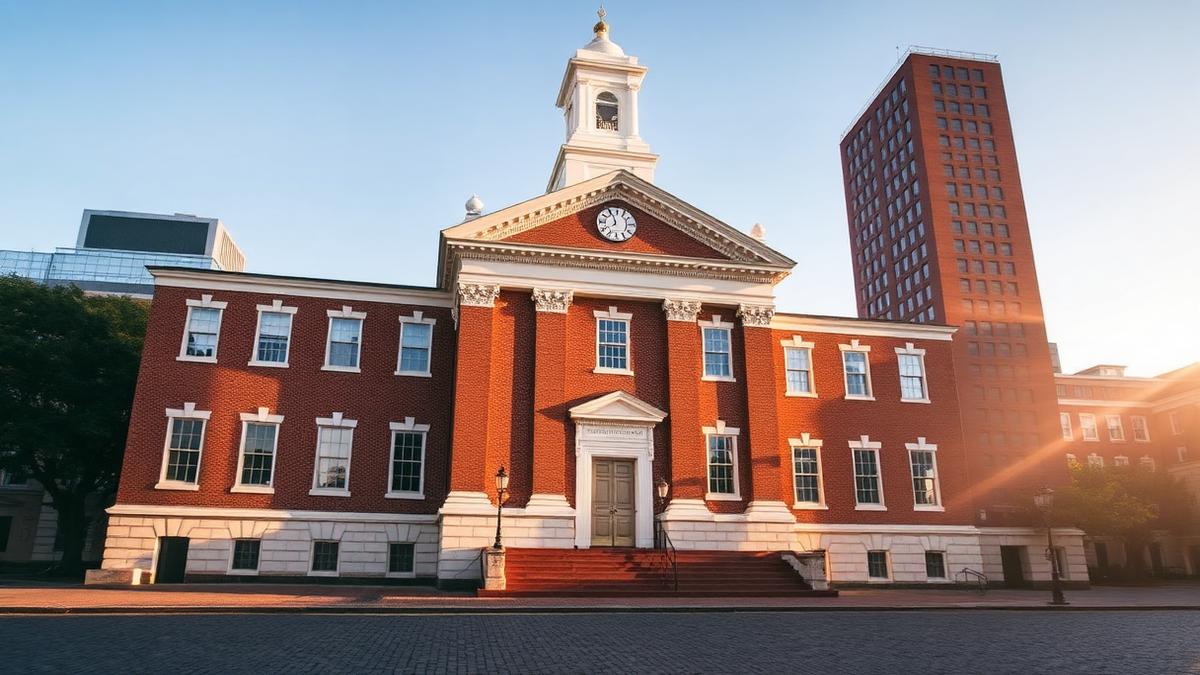
    As Savannah prospered, particularly from its lucrative cotton trade, more substantial and symmetrical Georgian-style homes began to emerge. Characterized by their balanced facades, often with a central doorway flanked by equally spaced windows, and frequently featuring a hipped roof and brick construction, these residences conveyed a sense of order and prosperity. Think of the modest, yet elegant, rhythm of the colonial period. While pure Georgian examples are rare, their influence on later Federal and Greek Revival homes is undeniable. Keep an eye out for symmetrical window placements and central entrances – hallmarks that echo the colonial past.

    A prime example of this early simplicity and functionality can be seen in the various outbuildings and smaller, more utilitarian structures found in the Historic District. Though not grand, they offer a glimpse into the everyday lives of early Savannahians, highlighting the practical needs that dictated early construction before architectural embellishment became widespread.

    Federal Charm: Elegance and Neoclassical Grace

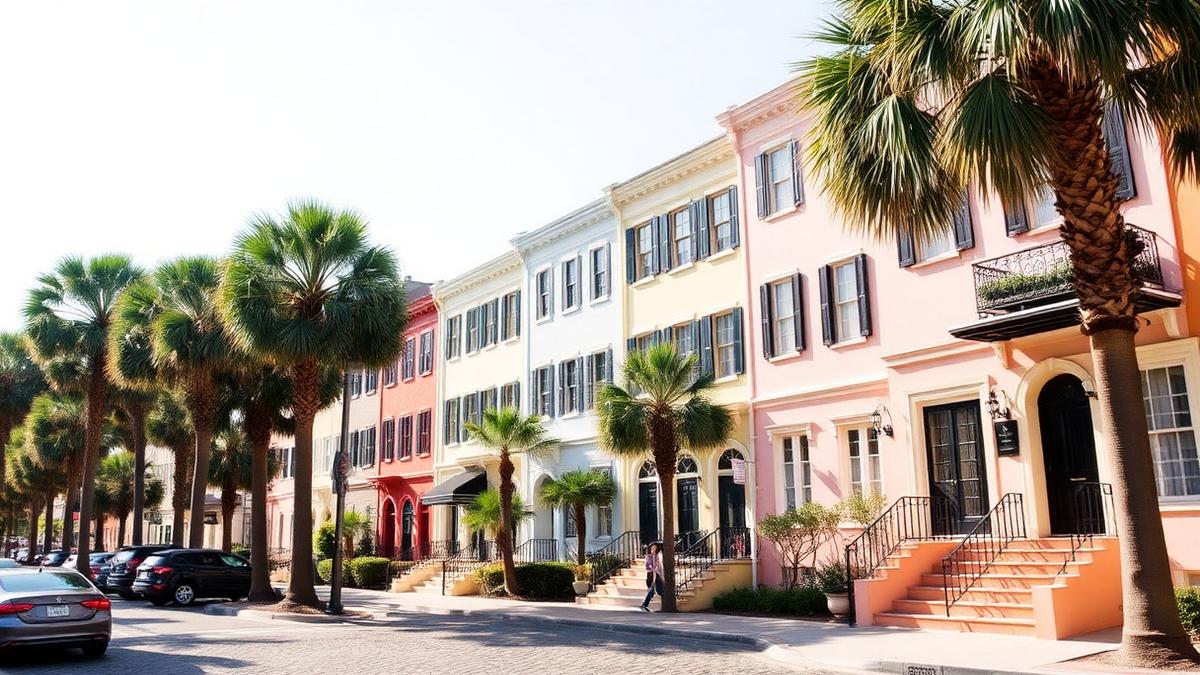
    As the United States gained independence and entered a new era, so too did its architecture. The Federal style, flourishing from roughly 1780 to 1830, marked a distinct evolution from its Georgian predecessor. In Savannah, this meant a heightened sense of refinement and a subtle nod to classical antiquity. You'll recognize Federal homes by their typically slender and elongated proportions, often featuring delicate fanlights above the front door, sidelights, and elliptical or oval windows, particularly prominent on upper stories or in gable ends. The emphasis shifted from heavy ornamentation to a more understated elegance.

    Look for brick exteriors, often painted, with a more pronounced articulation of individual architectural elements. Ironwork, too, became more intricate, adorning balconies and railings. The balconies themselves, often slender and delicate, offered residents a chance to catch a cross breeze and observe the bustling street life below. Inside, Federal homes often boasted more sophisticated millwork, graceful staircases, and plasterwork ceilings.

    To truly appreciate the Federal style, take a stroll around Columbia Square, where several well-preserved examples can be found. The Davenport House, built between 1815 and 1820, is Savannah’s quintessential Federal masterpiece and a pioneer in historic preservation. Its balanced proportions, elegant fanlight, and meticulous brickwork perfectly embody the style. Visiting this meticulously restored house provides an invaluable insight into the era's domestic life and architectural sensibilities. Notice the precision in the brickwork and the subtle adornments that speak volumes about the craftsmanship of the period.

    Greek Revival Majesty: Odes to Democracy

    The mid-19th century saw Savannah, much like the rest of the young American republic, embracing the ideals and aesthetics of ancient Greece. The Greek Revival style, popular from the 1820s to the 1860s, became a powerful architectural statement, symbolizing democracy, wisdom, and strength. These buildings are often grand and imposing, distinguished by their prominent columns, pediments (triangular gables), and heavy cornices. They evoke the imagery of classical temples, translating those timeless forms into the urban landscape.

    You'll typically find Greek Revival homes constructed of brick or stucco, often painted white to mimic marble. The columns, usually Doric, Ionic, or Corinthian, are a definitive feature, supporting porticos that provide a shaded entrance and an impressive facade. Look for wide entablatures and friezes beneath the roofline, sometimes adorned with simple reliefs. The overall impression is one of solidity, dignity, and a profound connection to the cradle of Western civilization.

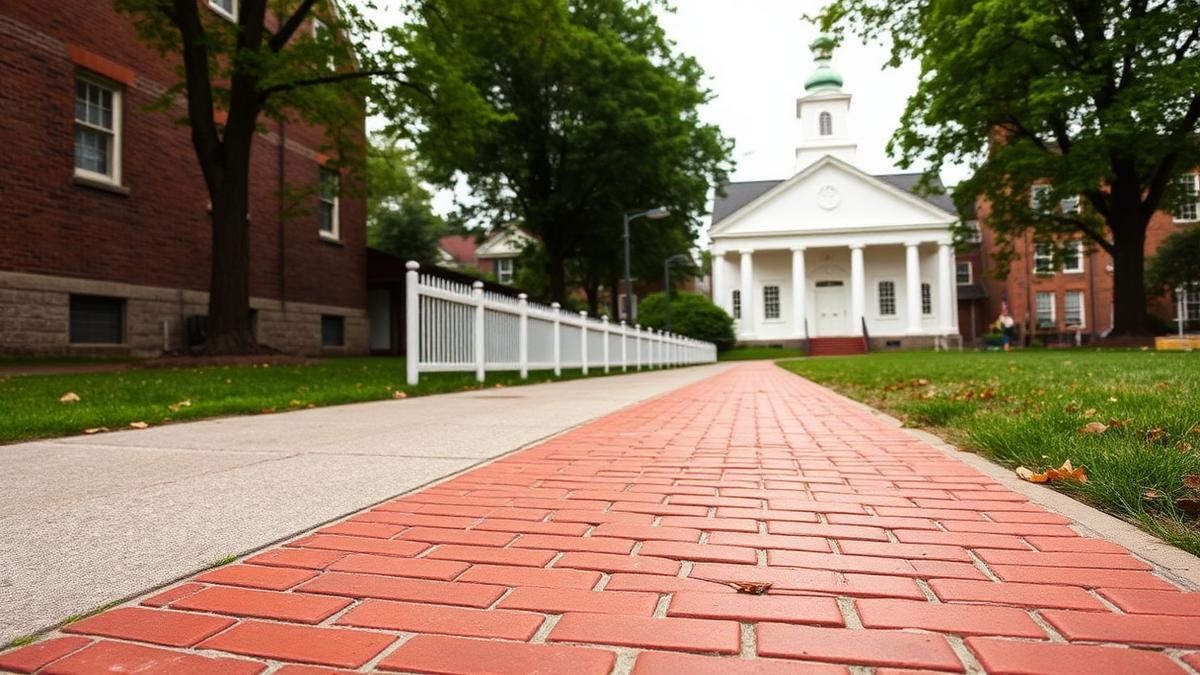
    Many of Savannah's most iconic mansions are stunning examples of Greek Revival architecture. The Owens-Thomas House, completed in 1819 (though incorporating many Greek Revival features alongside Regency elements), and the Mercer-Williams House on Monterey Square are phenomenal examples. The often-photographed First Baptist Church, with its commanding portico and soaring white columns, is an outstanding ecclesiastical example. As you walk past these stately structures, consider how they reflect a national identity forged in the wake of revolution, seeking a visual narrative of enduring principles.

    Gothic Revival Grandeur: Romanticism and Rebellion

    In contrast to the serene classicism of Greek Revival, the Gothic Revival style, emerging around the same time (1830s-1870s), offered a romantic and often dramatic departure. Inspired by medieval cathedrals and castles, this style brought a sense of mystery, spirituality, and asymmetrical charm to Savannah's streetscapes. You’ll recognize Gothic Revival by its pointed arches, steeply pitched roofs, decorative bargeboards (ornamented trim along gables), and often, stained-glass windows.

    While less prevalent in residential architecture than Greek Revival, its presence is deeply felt in Savannah's churches and public buildings. The overall effect is often one of picturesque irregularity, with towers, turrets, and intricate detailing creating a visually rich and sometimes whimsical aesthetic. This style allowed for a greater degree of individuality and artistic expression, moving away from the strict symmetry of earlier periods.

    The most breathtaking example of Gothic Revival in Savannah is undoubtedly the Cathedral Basilica of St. John the Baptist. Its soaring spires, intricate stained glass, and majestic pointed arches transport you directly to the heart of a European cathedral. Even if you only view it from the exterior, its imposing presence and detailed craftsmanship are awe-inspiring. Another notable example, though on a smaller scale, can be found in some of the more picturesque cemetery monuments, showcasing the era's romantic fascination with the past.

    Italianate Elegance: Ornate Details and Urban Flair

    From the mid-19th century through the Victorian era (roughly 1840s-1880s), the Italianate style swept through American cities, and Savannah was no exception. This style drew inspiration from Italian Renaissance villas, emphasizing asymmetrical massing, low-pitched roofs with wide overhanging eaves supported by decorative brackets, and tall, narrow windows often arched or crowned with elaborate hoods. It often featured square cupolas or towers, adding to its distinctive profile.

    Italianate homes are typically clad in brick or stucco, and you’ll frequently see cast-iron balconies – often more elaborate than their Federal counterparts – on the upper stories. The ornamentation extends to cornices, window pediments, and door surrounds, creating a rich, textural facade. These homes conveyed a sense of robust prosperity and a sophisticated, worldly taste, perfect for Savannah’s increasingly affluent merchant class.

    Walk down East Gaston Street or parts of Forsyth Park’s perimeter, and you’ll encounter several stunning Italianate residences. The Andrew Low House, built in the 1840s by an English architect, is a magnificent example with its classical proportions blended with Italianate details, showcasing the transition between styles. Another beautiful, albeit more understated, Italianate home can be found near Chippewa Square. Pay close attention to the intricate ironwork and the dramatic shadows cast by the deep eaves – these are hallmarks of the style.

    Victorian Vivacity: Queen Anne & Romanesque Revival

    As the 19th century drew to a close, Victorian styles took center stage, and in Savannah, the Queen Anne variant was particularly prominent (1880s-1910s). This exuberant and eclectic style is a feast for the eyes, characterized by its asymmetry, turrets, towers, bay windows, textured wall surfaces (often featuring decorative shingles), and a rich palette of materials. It was a reaction against the formality of earlier styles, embracing a more playful and individualistic expression.

    Queen Anne homes are often quite elaborate, boasting wraparound porches with turned columns and spindled balustrades, stained glass, and intricate gingerbread trim. No two Queen Anne houses are exactly alike, reflecting the owners' desire for unique and expressive homes. They are often painted in multiple colors to highlight their whimsical details, though many in Savannah have been restored to more subdued palettes.

    You’ll find a vibrant cluster of Queen Anne homes in the Victorian District, just south of Forsyth Park. This entire neighborhood is a living museum of late 19th-century domestic architecture. The Juliette Gordon Low Birthplace, while having some Federal influences, underwent significant Victorian transformations that added elements of the era. As you wander, look for the intricate shingle patterns, the varying rooflines, and the charming, often circular, corner towers that define this joyous architectural period.

    The Romanesque Revival, while less common for residences in Savannah, also made its mark on grander public and commercial buildings during the late 19th century. Characterized by rounded arches, massive stonework (often rusticated), and an imposing, fortress-like quality, it conveyed a sense of permanence and civic pride. The Candler Building and the Savannah Cotton Exchange are powerful examples of this style, with their robust arches and heavy masonry projecting a sense of enduring strength.

    Final Word

    Armed with this visual guide, your next visit to Savannah will be transformed. No longer will the buildings be mere backdrops; they will become characters in a grand historical narrative, each facade a page in the city’s enduring story. From the restrained elegance of Federal homes to the dramatic flourishes of Gothic Revival and the whimsical charm of Queen Anne, Savannah’s architecture is a testament to its past, a vibrant canvas reflecting centuries of aspirations, wealth, and artistic expression. So, as you stroll along its leafy squares and historic streets, take a moment to look up, to truly see, and to appreciate the intricate beauty that makes Savannah undeniably unique.

    Frequently Asked Questions

    What significant events shaped Savannah's architectural development?+

    Savannah's architectural development was profoundly shaped by its founding in 1733, its growth as a major port city in the antebellum South, and the preservation movement that gained momentum in the mid-20th century, notably saving many historic buildings from demolition.

    Where are the best examples of Federal-style architecture in Savannah?+

    Excellent examples of Federal-style architecture, characterized by symmetry and understated elegance, can be found around Greene Square and Washington Square. The Owens-Thomas House & Slave Quarters (124 Abercorn St) is a prime example, open for tours typically from 10 AM to 4:30 PM; check their website for current admission fees.

    How can I distinguish Greek Revival from Italianate architecture in Savannah?+

    Greek Revival buildings often feature prominent columns, symmetrical facades, and classical ornamentation, while Italianate architecture is known for its tall, narrow windows, elaborate cornices, and often a more irregular shape. The Davenport House Museum (324 E State St) is a notable Federal and Georgian example, open consistently 10AM-4PM most days.

    What role do Savannah's historic squares play in its architecture?+

    Savannah's 22 historic squares, part of James Oglethorpe's original city plan, serve as focal points for the surrounding architecture, providing green spaces that enhance the aesthetic appeal and historical context of the buildings. Many squares are free to explore year-round, dawn to dusk.

    Which organizations are dedicated to preserving Savannah's historic buildings?+

    The Historic Savannah Foundation (20 E. Broad St.), established in 1955, is a leading organization dedicated to preserving Savannah's architectural heritage through direct action, advocacy, and education. The City of Savannah's Metropolitan Planning Commission also oversees preservation regulations.

    Sources & Further Reading

    Spotted an error? See our corrections policy. Curious about our research? Read our editorial policy and sources.