The Erie Canal Towpath: Walking the Waterway That Built New York
Reviewed against our editorial policy and sources.
Discover the enduring legacy of the Erie Canal Towpath, tracing the path of a monumental engineering feat that shaped New York and the nation.
From our reporting
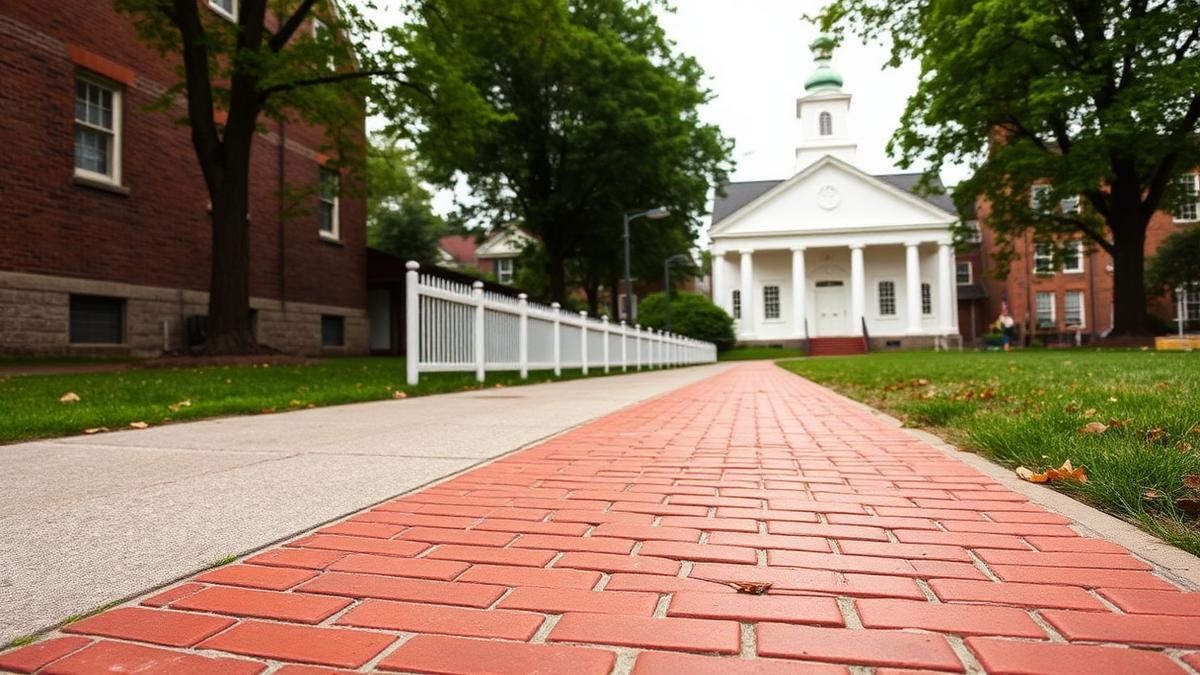
The air was crisp on an autumn morning as I walked a segment of the Erie Canal Towpath near Fairport. The silence, broken only by the rustling leaves and the distant chirping of birds, made it easy to imagine the rhythmic clip-clop of mule hooves and the creak of canal boat ropes from nearly two centuries ago. Sunlight filtered through the trees, dappling the path, and the quiet flow of the canal waters alongside felt like a living echo of the past, connecting me to the vast human endeavor that built this iconic waterway.
Key Takeaways
- The Erie Canal, completed in 1825, was a monumental 363-mile waterway connecting the Great Lakes to the Atlantic Ocean via the Hudson River.
- The towpath was the operational heart of the canal, where mules and horses pulled canal boats, driven by 'hoggees.'
- The canal dramatically reduced transport costs and time, making New York City the nation's premier port and fueling westward expansion.
- Towns like Syracuse, Rochester, and Buffalo grew rapidly into major commercial centers due to the canal's influence.
- Today, much of the original towpath is preserved as the Erie Canalway Trail, a multi-use pathway offering historical and recreational opportunities.
From its humble beginnings as a vision in the late 18th century to its grand completion in 1825, the Erie Canal fundamentally reshaped the landscape and economy of New York State and, by extension, the burgeoning United States. Often dubbed 'Clinton's Ditch' during its construction, this ambitious waterway, stretching 363 miles from Albany to Buffalo, connected the Great Lakes to the Atlantic Ocean via the Hudson River. More than just a channel for boats, the canal created a ribbon of commerce, culture, and connectivity that profoundly influenced westward expansion, urban development, and the nation's industrial rise. Integral to the canal's operation, and today a vital historical and recreational pathway, was the towpath – a narrow strip of land alongside the waterway upon which mules and horses pulled the canal boats.
The story of the Erie Canal Towpath is one of human ingenuity, relentless labor, and transformative impact. It is a tangible link to a pivotal era in American history, representing the physical artery that pulsed with goods, people, and ideas. Today, the towpath offers an immersive journey through time, allowing walkers, cyclists, and history enthusiasts to traverse the same ground once trod by canalers and their teams. As we explore the history of this remarkable pathway, we uncover the stories of engineering triumph, economic revolution, and the enduring spirit of a nation forging its identity.
The Vision and the Herculean Task
The concept of connecting the Great Lakes to the Hudson River was not new, but the sheer scale of the undertaking seemed insurmountable to many. DeWitt Clinton, then Mayor of New York City and later Governor, championed the project with unwavering determination against considerable skepticism. Critics dubbed it 'Clinton's Folly' or 'Clinton's Ditch,' believing it to be an impossible feat of engineering through rugged terrain, dense forests, and across rivers. Yet, Clinton and his supporters recognized the immense economic potential: a direct water route would drastically reduce the cost and time of transporting goods, unlocking the vast agricultural wealth of the interior and positioning New York as the dominant port.
Construction began on July 4, 1817, in Rome, New York. The project was monumental, employing thousands of Irish immigrants, local farmers, and unskilled laborers. Without modern machinery, the work was largely done by hand, using picks, shovels, and blasting powder. Innovating as they went, engineers developed new techniques for excavation, damming, and lock construction. The canal had to ascend and descend over 500 feet from the Hudson River to Lake Erie, necessitating 83 locks to manage the elevation changes. This massive human effort, spread over eight years, transformed the landscape and forged a new path for American commerce.
Life on the Towpath: The Engine of Commerce
The towpath was the literal engine of the Erie Canal. Measuring typically 10 to 12 feet wide, it was the domain of the 'canalers' and their animal teams. Mules and horses, often working in shifts, pulled the laden canal boats at a steady pace of about four miles per hour. A 'hoggee' (from 'hog' to drive, and 'gee' for moving forward) or 'driver' walked alongside, guiding the animals and ensuring they maintained a consistent speed. This constant motion was essential; delays meant lost time and money. The rhythm of hooves on the towpath was the heartbeat of the canal.
Life on the towpath was arduous. The hoggees, often young boys, worked long hours, sometimes through the night, in all weather conditions. They learned to navigate the dangers of the path, including other teams, uneven terrain, and the constant threat of a misstep that could send an animal or themselves into the water. Despite the hardships, the canal provided employment and opportunity for many, fostering a unique culture and community along its banks. The towpath wasn't just a work path; it was a social conduit, a place where news was exchanged, and the pulse of the nation could be felt.
Economic Revolution and Urban Growth
The impact of the Erie Canal upon its completion in 1825 was immediate and profound. The cost of transporting a ton of freight from Buffalo to Albany plummeted from approximately $100 to $10, and the travel time was reduced from weeks to mere days. This dramatic decrease in cost and time transformed trade routes, making it economically viable to move goods like agricultural products from the Midwest and manufactured goods from the East. New York City solidified its position as the nation's premier port, eclipsing rivals like Philadelphia and Boston, as a vast hinterland of resources became directly accessible.
Beyond New York City, the canal spurred the rapid growth of numerous towns and cities along its route. Syracuse, Rochester, Buffalo, Utica, and many smaller communities flourished, transforming from small settlements into bustling commercial centers. These 'canal towns' became hubs for processing agricultural products, manufacturing goods, and providing services to canal traffic. The canal not only facilitated the movement of goods but also people, accelerating westward migration and the settlement of the interior, profoundly shaping the demographic and economic landscape of the United States.
Technological Advancements and Later Expansions
While a marvel of its time, the original Erie Canal faced challenges as commerce continued to grow. Its dimensions, 40 feet wide and 4 feet deep, became insufficient for larger boats and increased traffic. Beginning in 1835, the 'Enlarged Erie Canal' project commenced, aiming to widen the canal to 70 feet and deepen it to 7 feet, and to construct larger, more efficient locks. This massive undertaking, completed in stages over several decades, reflected the canal's enduring importance to the state's economy.
Further modernizations occurred in the early 20th century with the construction of the New York State Barge Canal System. This project incorporated sections of the original Erie Canal but also utilized and canalized existing rivers and lakes, creating a wider and deeper waterway capable of handling much larger barges. While these later iterations modernized the canal for industrial use, they also led to the abandonment of many sections of the original canal and its towpath, as the focus shifted from animal-drawn boats to motorized vessels.
The Erie Canal Towpath Today: A Living Heritage
Today, much of the original Erie Canal towpath, alongside remaining sections of the historic canal, has been preserved and transformed into the Erie Canalway Trail. This multi-use pathway, part of the larger New York State Canal System, stretches across the state, offering over 360 miles for walking, running, and cycling. It provides a unique opportunity to connect with history, nature, and the communities that grew up around the canal. Markers and interpretative signs along the trail tell the stories of the canal's construction, its economic impact, and the lives of those who worked on it.
The Erie Canalway Trail is not merely a recreational amenity; it is a vital part of New York's cultural and historical fabric. It offers an unparalleled vantage point from which to appreciate the immense scale of the original engineering feat and the enduring legacy of the canal. As one traverses the towpath, remnants of old locks, aqueducts, and canal-era architecture provide tangible links to a past that dramatically shaped the course of American development. It stands as a testament to human perseverance and the power of infrastructure to transform a nation.
Preservation and Future
Preserving the Erie Canal Towpath and the broader Canalway Trail is an ongoing effort that involves various state and local agencies, as well as dedicated volunteer groups. These efforts focus on maintaining the trail's integrity, ensuring accessibility, and enhancing the historical interpretation for visitors. The trail acts as a green corridor, promoting outdoor recreation and connecting diverse communities across New York State. Its continued development ensures that future generations can experience and learn from this extraordinary piece of American history.
The towpath's future is intertwined with its past. It serves as a reminder of an era when canals were the highways of commerce, driving innovation and growth. As a significant cultural and recreational asset, the Erie Canalway Trail will continue to draw visitors from around the world, offering a unique blend of historical education and outdoor adventure. It remains a powerful symbol of New York's pioneering spirit and its indelible contribution to the shaping of the American landscape and economy.
Frequently Asked Questions
How long did it take to build the original Erie Canal?+
The original Erie Canal took approximately eight years to build, with construction commencing on July 4, 1817, and the canal officially opening on October 26, 1825.
What was the primary purpose of the Erie Canal?+
The primary purpose of the Erie Canal was to create a cost-effective and efficient water route for transporting goods and people between the Atlantic Ocean (via the Hudson River) and the Great Lakes, thereby connecting the burgeoning agricultural regions of the American interior with eastern markets.
What is a 'hoggee'?+
A 'hoggee' was the term for the person, often a young boy, responsible for driving the mules or horses along the towpath that pulled the canal boats. The term is believed to be derived from 'hog' (to drive) and 'gee' (a command to move forward).
How long is the Erie Canalway Trail today?+
The Erie Canalway Trail, which incorporates much of the historic Erie Canal towpath, stretches over 360 miles across New York State, offering a continuous multi-use pathway for recreation and historical exploration.
Did the Erie Canal ever freeze in winter?+
Yes, the Erie Canal would freeze solid during the winter months, making navigation impossible. Canal operations were seasonal, typically running from late spring through late autumn, depending on weather conditions. During the winter, boats were docked, and canal towns would often see a lull in activity.
Sources & Further Reading
Spotted an error? See our corrections policy. Curious about our research? Read our editorial policy and sources.