Taos Pueblo: A Thousand Years of Continuous Habitation
Reviewed against our editorial policy and sources.
Taos Pueblo stands as a testament to enduring human spirit, a continuously inhabited community for over a millennium, echoing stories of resilience and heritage.
From our reporting
The adobe walls of Taos Pueblo emanate a profound sense of history, the very earth seemingly breathing stories of generations. Walking among the ancient dwellings, one can almost hear the echoes of ancestral chants and feel the sun-baked mud beneath their fingertips, a tangible connection to a millennium of continuous life. The scent of piñon smoke subtly perfumes the air, grounding the experience in a sensory tapestry woven with reverence and time.
Key Takeaways
- Taos Pueblo has been continuously inhabited for over 1,000 years, making it one of the oldest continuously inhabited communities in North America.
- Its distinctive multi-storied adobe architecture is constructed from local earth and maintained through communal replastering.
- Taos Pueblo played a significant role in the 1680 Pueblo Revolt against Spanish colonization.
- The sacred Blue Lake and surrounding mountain were returned to Taos Pueblo in 1970 after a long struggle, affirming indigenous religious freedom.
- The community maintains its traditional Tiwa language, governance structure, and cultural practices, balancing tradition with modern life.
Nestled at the base of the sacred Taos Mountain in northern New Mexico, Taos Pueblo is an extraordinary living testament to the enduring spirit and cultural richness of the Tiwa-speaking people. This ancient community, a UNESCO World Heritage Site and a National Historic Landmark, boasts a history of continuous habitation stretching back more than 1,000 years. Its distinctive multi-storied adobe structures, built with earth, straw, and timber, rise organically from the landscape, reflecting an architectural and societal continuity rarely seen in the modern world. Taos Pueblo is not merely a collection of historic buildings; it is a vibrant, thriving community where ancient traditions are honored, and daily life unfolds much as it has for centuries, offering a profound connection to America's deepest historical roots.
The story of Taos Pueblo is one of remarkable resilience in the face of immense change. For over a millennium, its inhabitants have adapted to varying climates, historical upheavals, and external pressures, all while meticulously preserving their unique way of life, language, and spiritual practices. The pueblo's isolation, situated at the terminus of the Camino Real de Tierra Adentro and at the edge of the vast plains, allowed for a relatively independent development, fostering a distinct cultural identity that remains strong today. Understanding Taos Pueblo is to understand a crucial chapter in the broader narrative of human perseverance and the intricate tapestry of American heritage, offering a window into a world shaped by profound respect for land, community, and ancestral wisdom.
Architectural Marvel: The Adobe Structure
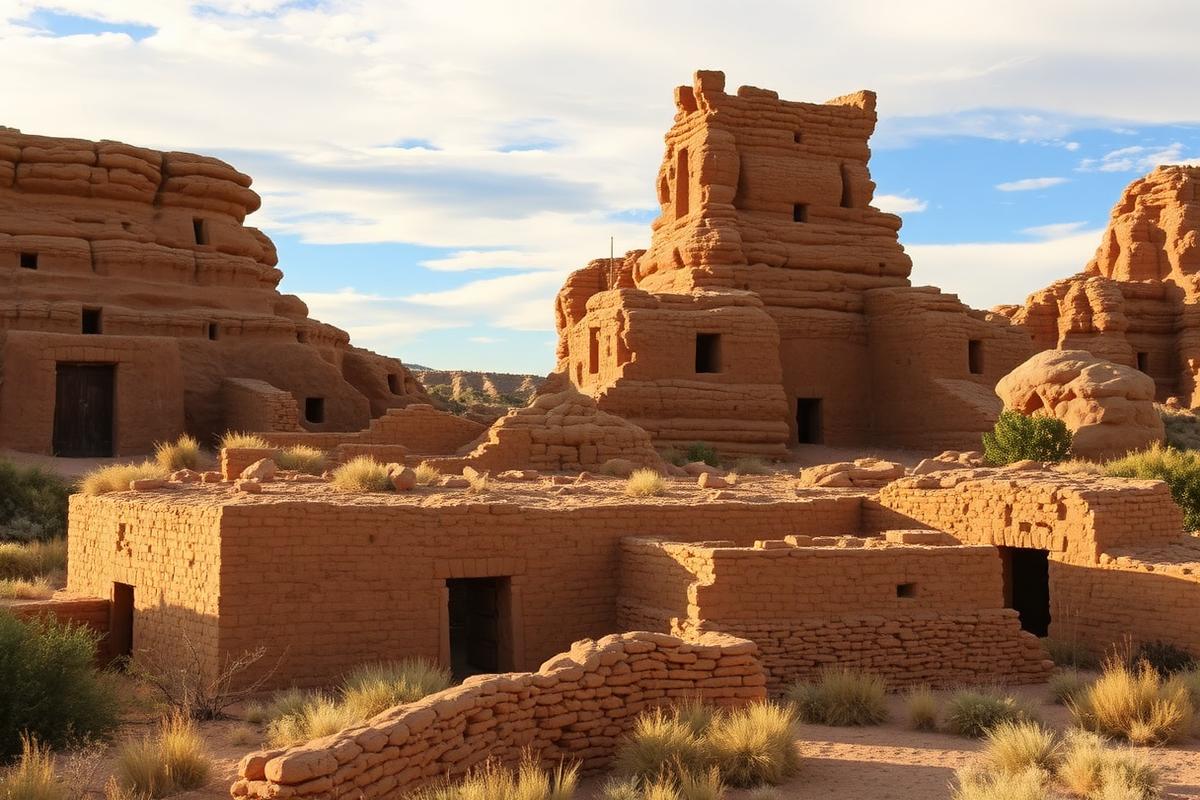
The most striking feature of Taos Pueblo is its iconic multi-storied adobe dwellings, particularly the two main structures, Hlauuma (north house) and Hlaukwima (south house), separated by the Red Willow Creek. These massive, communal buildings are constructed from sun-dried adobe bricks, made of earth and straw, plastered with successive layers of mud. The thickness of the walls, often several feet deep, provides natural insulation, keeping interiors cool in summer and warm in winter. Historically, access to upper floors was gained via retractable ladders, offering security from external threats. Ground-floor entrances were often absent or minimal, with entry typically through roof openings, a defensive strategy that has since evolved, though many older doorways remain small and strategically placed.
The construction and maintenance of the adobe structures are a continuous community effort, reflecting the communal ethos of the pueblo. Villagers regularly replaster the buildings with fresh adobe, a tradition that reinforces both the physical integrity of the homes and the collective responsibility of the community. This ongoing process ensures the preservation of the architectural style and techniques passed down through generations. The architecture is not merely functional; it is deeply symbolic, embodying the pueblo's relationship with the land and its ancient connection to its ancestral past. The organic, terraced forms blend seamlessly with the natural environment, almost appearing to grow from the earth itself, mirroring the deep ecological and spiritual ties of the Taos people.
A Legacy of Resilience: Encounters with European Settlers
Taos Pueblo's history is inextricably linked with the arrival of European explorers and settlers in the Southwest. The first documented contact occurred in 1540 with members of Francisco Vázquez de Coronado's expedition. The Spanish quickly recognized the strategic location of Taos, nestled at the crossroads of trade routes connecting the Pueblo peoples with Plains tribes, making it a hub for commerce and cultural exchange. Despite initial interactions, tensions soon mounted due to Spanish efforts to impose their religion and governance, leading to significant resistance from the Taos people and other Pueblos.
The pueblo played a pivotal role in the Pueblo Revolt of 1680, a coordinated uprising that successfully expelled the Spanish from New Mexico for 12 years. This event stands as one of the most successful indigenous revolts against European colonization in North American history, demonstrating the strength and unity of the Pueblo people. Following the Spanish reconquest in 1692, Taos Pueblo continued to face pressures but largely managed to maintain its cultural integrity and land base, often through strategic diplomacy and, when necessary, further resistance. The community's deep connection to its land and traditions served as a bulwark against assimilation, preserving its unique identity amidst centuries of external influence.
Spiritual Heartland: The Sacred Taos Mountain
Central to the spiritual and cultural life of Taos Pueblo is the sacred Taos Mountain, or Blue Lake Mountain (Taa-wah-baa-gah), which rises majestically behind the pueblo. This mountain and its associated Blue Lake (Tsa-ch'o-ba) are not just geographical features; they are considered the spiritual heartland of the Taos people, the source of their life and sustenance. For centuries, the Taos people conducted sacred ceremonies at Blue Lake, considering it a place of profound spiritual significance and integral to their identity and well-being. However, in the late 19th century, the U.S. government seized Blue Lake and surrounding lands, incorporating them into a national forest.
The loss of Blue Lake sparked a decades-long struggle for its return, a powerful testament to the Taos people's unwavering commitment to their spiritual heritage. After persistent advocacy, including appeals to presidents and Congress, President Richard Nixon signed legislation in 1970 that returned Blue Lake and the surrounding 48,000 acres to the exclusive trust of Taos Pueblo. This landmark achievement was not merely a land transfer; it was a profound affirmation of indigenous religious freedom and self-determination, recognizing the inseparable bond between the Taos people, their sacred sites, and their cultural survival. The return of Blue Lake remains a powerful symbol of justice and resilience, reinforcing the vital role of the sacred mountain in the life of the pueblo.
Living Traditions: Language, Culture, and Governance
Despite centuries of external contact, Taos Pueblo has steadfastly maintained its traditional governance structure, language, and cultural practices. The pueblo is governed by a cacique (spiritual leader) and a tribal council, who uphold ancestral laws and customs. The community also elects a governor and lieutenant governor annually to handle civil matters and external relations. This dual leadership system ensures both spiritual continuity and effective administration. The Tiwa language, a Tanoan language, continues to be spoken, though English is also prevalent, reflecting the dynamic nature of cultural preservation in the modern era. Efforts are continuously made to ensure the transmission of the Tiwa language to younger generations.
Traditional ceremonies, dances, and artistic expressions remain integral to daily life and seasonal cycles within the pueblo. These practices are not mere performances but living expressions of their worldview, connecting them to their ancestors, their land, and the spiritual realm. The arts, including pottery, weaving, and silversmithing, reflect unique Taos aesthetics and techniques passed down through families, serving both practical and ceremonial purposes. The pueblo operates as a sovereign nation, self-governing and self-reliant, carefully balancing the need to preserve its ancient traditions with the realities of the contemporary world, ensuring that its rich cultural heritage continues to thrive for future generations.
Economic Lifeways: Balancing Tradition and Modernity
Historically, the economy of Taos Pueblo was based on agriculture, hunting, and robust trade networks with neighboring tribes. The fertile lands around the pueblo supported crops like corn, beans, and squash, while hunting provided game. The strategic location of Taos also fostered its role as a significant trading center, where Pueblo agricultural products were exchanged for buffalo hides and other goods from Plains tribes. This self-sustaining economy provided for the needs of the community and fostered deep connections with other indigenous groups.
In contemporary times, while traditional subsistence activities continue to hold cultural significance, the pueblo's economy has diversified. Tourism plays a crucial role, allowing visitors to experience the unique history and culture of the pueblo, which provides income for the community and its artisans. The pueblo carefully manages tourism to ensure that it supports, rather than detracts from, their traditional way of life, maintaining strict rules to protect their privacy and sacred spaces. Additionally, the pueblo engages in various enterprises and resource management activities, always striving to balance economic development with the preservation of their ancestral lands, cultural integrity, and environmental stewardship, ensuring a sustainable future for their people.
A UNESCO World Heritage Site: Global Recognition
In 1992, Taos Pueblo was designated a UNESCO World Heritage Site, recognizing its outstanding universal value as a unique cultural landscape and a living tradition. This international recognition underscored the pueblo's significance not just to American history but to the broader human story. The UNESCO designation highlighted its exceptional architectural forms, its continuous occupation for over a millennium, and its remarkable preservation of pre-Columbian cultural patterns and spiritual practices. This honor places Taos Pueblo among the world's most treasured cultural landmarks, acknowledging its role as a beacon of indigenous heritage and resilience.
The World Heritage status has brought increased attention to Taos Pueblo, emphasizing the importance of its preservation and the protection of its cultural integrity. It also brings with it a responsibility to maintain the site for future generations, a task the Taos people have undertaken for centuries. The designation reinforces the global understanding that Taos Pueblo is not a relic of the past but a vibrant, living community where ancient ways continue to inform modern life, offering a powerful example of enduring human adaptation and cultural strength in a rapidly changing world. Its status serves as a reminder of the invaluable contributions of indigenous cultures to the world's diverse heritage.
Frequently Asked Questions
What makes Taos Pueblo unique compared to other historic sites?+
Taos Pueblo is unique because it is not merely a preserved historic site but a living, continuously inhabited community for over 1,000 years. Its residents still live and work within the ancient adobe structures, maintaining ancestral traditions, language, and spiritual practices.
How are the adobe buildings at Taos Pueblo maintained?+
The adobe buildings are maintained through a continuous communal effort. Residents regularly replaster the structures using a mixture of earth and straw, a traditional practice that reinforces the integrity of the walls and involves the entire community in the preservation of their homes and heritage.
What is the significance of Blue Lake to Taos Pueblo?+
Blue Lake (Tsa-ch'o-ba) and the sacred Taos Mountain are considered the spiritual heartland of the Taos people, essential for their religious ceremonies and cultural identity. Its return to the pueblo in 1970 by the U.S. government was a landmark victory for indigenous religious freedom and self-determination.
Is Taos Pueblo a UNESCO World Heritage Site?+
Yes, Taos Pueblo was designated a UNESCO World Heritage Site in 1992, recognizing its outstanding universal value as a unique cultural landscape, its continuous occupation, and its exceptional preservation of pre-Columbian cultural patterns.
What language is spoken at Taos Pueblo?+
The native language of Taos Pueblo is Tiwa, a Tanoan language. While English is also spoken, efforts are made to preserve and transmit the Tiwa language to younger generations to maintain their cultural heritage.
Sources & Further Reading
Spotted an error? See our corrections policy. Curious about our research? Read our editorial policy and sources.