Shaker Villages of Kentucky and New Hampshire: Simplicity as Design
Reviewed against our editorial policy and sources.
Exploring the enduring legacy of Shaker communities in Kentucky and New Hampshire, where simplicity was a guiding principle for design and life.
From our reporting
Standing in the hushed Meeting House at Pleasant Hill, one can almost hear the soft shuffle of feet and the quiet hymns of the Believers. The light streaming through the tall, unadorned windows casts long shadows across the polished wooden floors, emphasizing the elegant simplicity of the space. The air carries a subtle scent of old wood and history, a tangible connection to the lives lived within these walls.
Key Takeaways
- Shaker communities in Kentucky and New Hampshire exemplify the sect's spiritual beliefs translated into practical design.
- The Shaker ethos prioritized simplicity, utility, and perfection in craftsmanship as an act of devotion.
- Shaker Village of Pleasant Hill, Kentucky, was a major agricultural center and showcases iconic Shaker architecture.
- Canterbury Shaker Village, New Hampshire, was one of the earliest and longest-lasting Shaker settlements, known for its diverse crafts.
- Shaker architectural innovations and furniture design continue to influence modern aesthetics and principles of functional beauty.
The story of the Shakers in America is one of profound conviction, architectural innovation, and a steadfast dedication to a life of spiritual purity and communal harmony. Emerging in the late 18th century, this celibate, communally organized religious sect, formally known as the United Society of Believers in Christ's Second Appearing, sought to create a heaven on Earth. Their unique theology, which emphasized celibacy, pacifism, communal property, confession of sin, and equality of the sexes, translated into a distinctive material culture that remains admired for its elegance, functionality, and unadorned beauty. This article delves into the rich heritage of Shaker villages, focusing on two pivotal regions: the fertile lands of Kentucky and the rugged landscapes of New Hampshire, examining how their spiritual beliefs profoundly shaped their built environments and daily lives.
From Hancock Shaker Village in Massachusetts to Sabbathday Lake Shaker Village in Maine, and the now-historic sites in Kentucky and New Hampshire, Shaker communities were self-sufficient, highly organized, and remarkably prosperous. Their meticulous craftsmanship, from furniture to textiles to agricultural tools, was not merely about utility but an expression of their faith, believing that "hands to work and hearts to God" was the path to spiritual perfection. The architectural style that emerged from these principles was one of unpretentious grace, characterized by clean lines, durable materials, and ingenious solutions for everyday living. These principles are particularly evident in the surviving structures and meticulously preserved landscapes of Shaker communities in Pleasant Hill, Kentucky, and Canterbury, New Hampshire, offering invaluable insights into a way of life that, while no longer widely practiced, continues to inspire.
The Shaker Ethos: Simplicity, Utility, and Perfection
At the core of Shaker design and daily life was a spiritual imperative: to eliminate superfluity and focus on the essential. This ethos, often encapsulated in the phrase "Don't make something unless it is both necessary and useful; but if it is both necessary and useful, don't hesitate to make it beautiful," permeated every aspect of their existence. Unlike many religious groups that valued ornate displays of devotion, the Shakers found sanctity in order, cleanliness, and the functional integrity of their surroundings. This belief system guided their agricultural practices, their innovative mechanical inventions, and especially their distinctive architecture and furniture.
The pursuit of perfection in craftsmanship was not about vanity but about honoring God through diligent labor. Every joint, every surface, every angle was executed with precision, resulting in objects and buildings that were not only aesthetically pleasing but also remarkably durable and efficient. This dedication to quality ensured that their products, from agricultural seeds to brooms, were highly sought after, contributing significantly to their economic success. Their communal living arrangements, with shared property and labor, further reinforced this dedication to collective well-being and productivity, fostering an environment where innovation and meticulous attention to detail flourished.
Shaker Village of Pleasant Hill, Kentucky: A Bluegrass Utopia
Founded in 1805 near Harrodsburg, Kentucky, Shaker Village of Pleasant Hill grew to be one of the largest and most successful Shaker communities in the United States. Spanning over 4,500 acres at its peak, the village was a beacon of agricultural innovation and communal living in the antebellum South. The Kentucky Shakers were particularly adept at farming, stock breeding, and the production of seeds, brooms, and woven goods. Their communal life, centered around shared labor and spiritual worship, fostered a remarkably productive and harmonious society that thrived for decades amidst a rapidly changing America.
The architecture at Pleasant Hill reflects the quintessential Shaker aesthetic: large, well-built structures characterized by plain facades, symmetrical arrangements, and an abundance of natural light. Buildings like the Centre Family Dwelling (1824-1834), with its distinctive twin staircases, and the Meeting House (1820), a masterpiece of frame construction designed for their unique worship dances, showcase their commitment to functional elegance. Today, Shaker Village of Pleasant Hill is the largest restored Shaker community in America, operating as a living history museum and nature preserve, offering a profound glimpse into this unique chapter of American history.
Canterbury Shaker Village, New Hampshire: A New England Gem
Established in 1792, Canterbury Shaker Village in New Hampshire was one of the earliest and most enduring Shaker communities in the Northeast, actively housing Shakers until 1992. Situated on a scenic hillside overlooking the Merrimack River valley, the village was known for its innovative farming practices, textile production, and the manufacture of various goods, including woodenware, tinctures, and medicines. The community here, like others, exemplified the Shaker principles of order, efficiency, and spiritual devotion, contributing significantly to the economic and social fabric of its region.
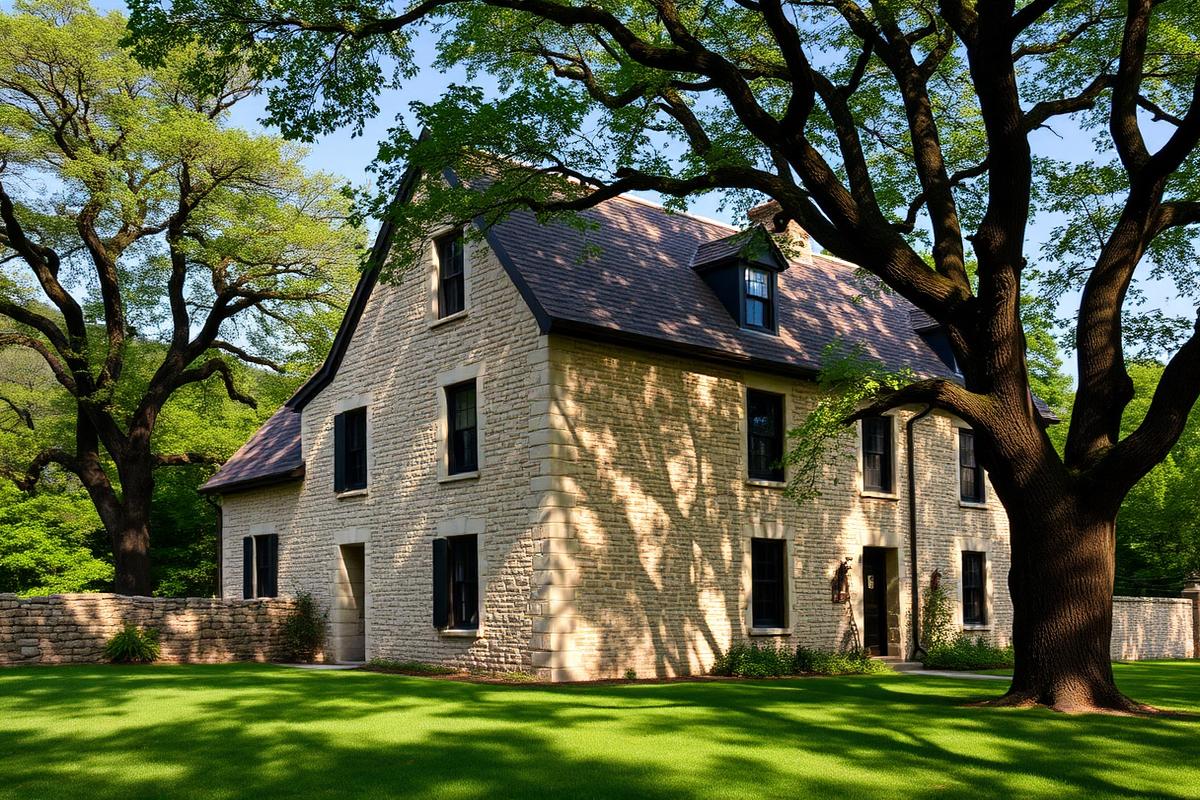
The architecture at Canterbury is equally compelling, featuring over 25 original Shaker buildings that illustrate the evolution of their building styles over more than two centuries. Notable structures include the 1792 Meeting House, one of the oldest Shaker buildings still standing, and the Dwelling House (1814-1815), which once housed over 100 members. The village's distinctive details, such as peg rails for hanging chairs and clothing, built-in storage, and broad central hallways, speak volumes about their practical approach to design, where every element served a clear purpose and contributed to the communal order. Canterbury Shaker Village is now a National Historic Landmark, dedicated to preserving and sharing the Shaker legacy through interpretive programs and exhibits.
Architectural Innovations and Enduring Legacies
Shaker builders were not only skilled craftsmen but also visionary engineers and architects. Their structures were designed for efficiency and community, incorporating features like central heating systems, built-in storage, and advanced water management techniques that were often ahead of their time. The iconic twin staircases, found in many Shaker dwelling houses, symbolized the segregation of sexes in their daily lives, yet were also practical solutions for efficient circulation within large communal buildings. Their workshops were marvels of organization, designed to facilitate a streamlined production process, from woodworking to seed packaging.
The enduring legacy of Shaker design transcends its historical context. The principles of simplicity, utility, and honest craftsmanship continue to influence modern architecture, interior design, and furniture making. The clean lines, durable materials, and functional beauty of Shaker furniture, in particular, remain highly prized and frequently replicated. By visiting these preserved villages, one can witness firsthand how a profound spiritual belief system can manifest in a material culture that is both deeply practical and aesthetically profound, leaving an indelible mark on American design and communal living.
From Craft to Commerce: Shaker Industries and Economic Self-Sufficiency
Beyond their spiritual pursuits, Shaker communities were renowned for their industriousness and economic self-sufficiency. Their commitment to utility and perfection permeated their manufacturing endeavors, which ranged from farming and gardening to the production of high-quality furniture, oval boxes, and seed packets. These items were not merely functional; they embodied Shaker principles of clean lines, durable construction, and honest materials. The Shakers developed innovative methods for production, often creating specialized machinery and tools to improve efficiency.
The sale of these goods played a crucial role in supporting the Shaker communities. Their reputation for quality and integrity garnered a wide customer base, extending beyond their immediate vicinities. This commercial success allowed the Shakers to maintain their villages, support their members, and even fund their outreach efforts, demonstrating a pragmatic approach to earthly sustenance within their spiritual framework.
The Shaker Legacy in Modern Design and Thought
While the active Shaker population has significantly dwindled, their influence on American design, architecture, and even social thought remains profound. The minimalist aesthetic, characterized by uncluttered spaces, natural materials, and functional forms, has found enduring resonance in contemporary design. Shaker furniture, with its elegant simplicity and robust construction, continues to be admired and replicated, its timeless appeal transcending its origins.
Beyond aesthetics, the Shakers' communal living, commitment to equality, and pacifist principles offer a fascinating historical counterpoint to mainstream American society. Their experiments in social organization and their dedication to living a purposeful life continue to be studied by historians, sociologists, and those interested in alternative social structures. The preservation of Shaker villages serves as a tangible reminder of a unique chapter in American history, offering lessons in sustainable living, craftsmanship, and community building.
Community Life and Social Structure
Shaker communities operated on a system of communal ownership, where all property was held in common, and labor was shared for the benefit of the entire community. This egalitarian structure extended to gender roles, with women holding positions of spiritual and temporal authority, often serving as Eldresses alongside Elders. This progressive stance on gender equality was revolutionary for its time and attracted many women seeking agency and purpose within a supportive community.
Daily life was strictly ordered, with schedules for work, worship, and meals, all designed to promote spiritual focus and communal harmony. While celibacy was a core tenet, the communities grew through conversions and the adoption of orphans, whom they raised and educated within the Shaker faith. The Shakers' dedication to education, innovation, and social justice, including their strong abolitionist stance, set them apart from many contemporary American communities, cementing their unique place in history.
Frequently Asked Questions
What were the main principles guiding Shaker life and design?+
Shaker life and design were guided by principles of celibacy, communal ownership, pacifism, equality of the sexes, confession of sin, and the pursuit of perfection in craftsmanship, believing that work done well honored God. Simplicity and utility were paramount in their material culture.
Why did Shaker communities decline?+
Shaker communities declined primarily due to their practice of celibacy, which prevented natural population growth. They relied on converts and adopted children, but as the broader American society changed, fewer individuals were drawn to their strict communal lifestyle.
What is the significance of the twin staircases in Shaker dwelling houses?+
The twin staircases, commonly found in larger Shaker dwelling houses like the Centre Family Dwelling at Pleasant Hill, symbolized and facilitated the strict segregation of sexes, which was a core tenet of Shaker communal living. They also provided efficient circulation for large numbers of residents.
Are there any Shaker communities still in existence today?+
Yes, Sabbathday Lake Shaker Village in New Gloucester, Maine, is the last active Shaker community in the world, maintaining the Shaker traditions and way of life.
What types of industries and crafts were the Shakers known for?+
The Shakers were renowned for a wide range of industries and crafts, including farming, seed production, broom making, textiles, furniture, basketry, medicinal herbs, and innovative mechanical inventions like the circular saw and the flat-bottomed broom.
Sources & Further Reading
Spotted an error? See our corrections policy. Curious about our research? Read our editorial policy and sources.