All ArticlesHistory

    Walking in the Footsteps of the Founding Fathers in Philadelphia

    W
    Whitebeavers Editorial Team
    Feb 17, 2026 · 8 min

    Reviewed against our editorial policy and sources.

    Walking in the Footsteps of the Founding Fathers in Philadelphia

    Independence Hall, Carpenters' Hall, and the streets where America was imagined into existence.

    From our reporting

    Our Whitebeavers team recently explored Philadelphia, feeling the weight of history in Independence Hall and savoring cheesesteaks along the way.

    Key Takeaways

    • Independence Hall is where both the Declaration of Independence and the U.S. Constitution were debated and adopted.
    • Carpenters' Hall hosted the First Continental Congress in 1774, marking a pivotal step toward American independence.
    • Philly's historic district offers a tangible connection to the Founding Fathers, allowing visitors to walk the same streets and visit the same buildings.
    • The Liberty Bell, an iconic symbol of American independence, is located in the Liberty Bell Center, part of Independence National Historical Park, just steps from Independence Hall.
    • Visitors can experience the foundational moments of American democracy through guided tours and exhibits at various historical sites in Philadelphia.

    Imagine stepping out of your everyday life and into a vibrant tapestry woven with the very threads of American liberty. Picture brick pathways echoing with the measured strides of Washington and Jefferson, and hear the faint rustle of parchment as momentous decisions were etched into history. Philadelphia, the 'City of Brotherly Love,' is more than just a place on a map; it is a living, breathing testament to the audacity and ideals that forged a nation, waiting for you to discover its profound stories.

    From the solemn grandeur of Independence Hall to the quiet corners where revolutionary thoughts were first shared, the spirit of 1776 permeates every cobblestone and colonial façade. As you wander through this historic heartland, you’re not merely observing relics; you are engaging with the foundational narrative of the United States. Prepare to be immersed in the birthplace of a nation, where every turn reveals a new chapter in democracy's extraordinary beginning.

    Independence Hall: The Sanctum of Sovereignty

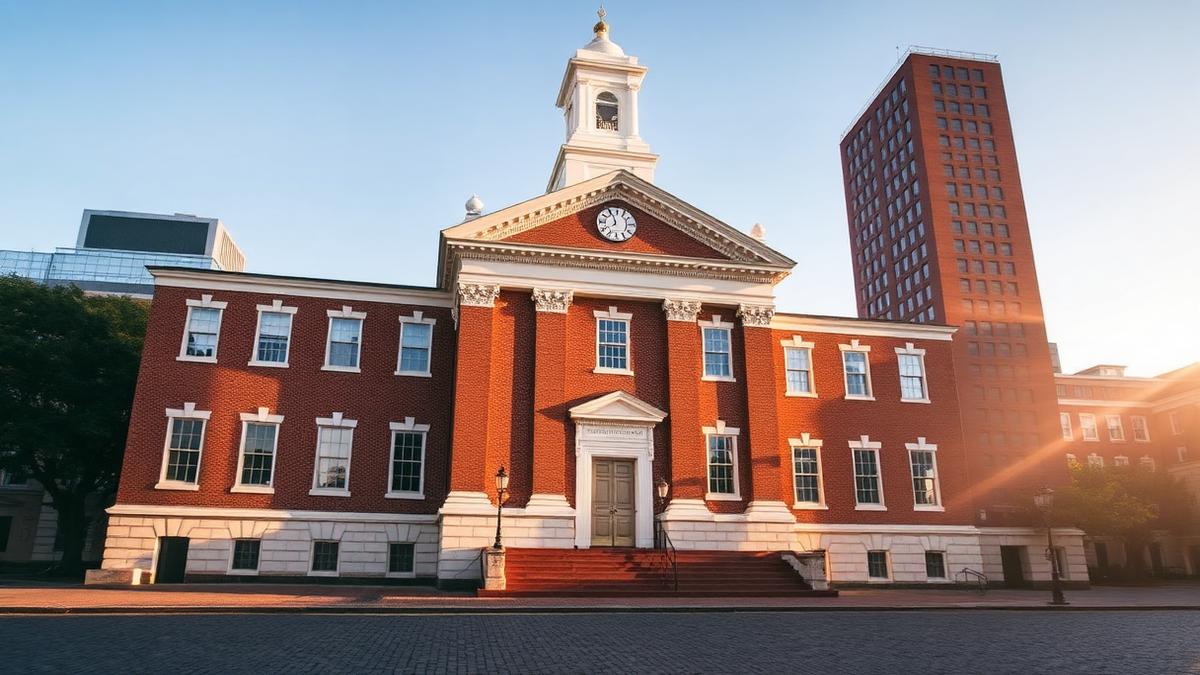
    Your journey into the heart of revolutionary Philadelphia must begin at Independence Hall, a site so sacred it almost hums with the echoes of momentous debate. Built between 1732 and 1756 as the Pennsylvania State House, this Georgian masterpiece later bore witness to two of the most pivotal events in American history. It was here, in 1776, that the Declaration of Independence was debated, adopted, and signed, proclaiming to the world the birth of a new sovereign nation. Eleven years later, in 1787, the U.S. Constitution was crafted within these very walls, meticulously designed to form 'a more perfect Union.'

    As you enter the Assembly Room, try to visualize the 56 delegates, their faces etched with the gravity of their purpose. Imagine the hushed tension, the impassioned arguments, and the sheer courage required to vote for independence against the might of the British Empire. Your National Park Service ranger will expertly guide you through the history, pointing out the chair George Washington sat in while presiding over the Constitutional Convention, and the silver inkstand believed to have been used for signing both documents. Tickets are required and should be reserved in advance, especially during peak seasons, to ensure your place in this hallowed space.

    The Liberty Bell: A Symbol of Freedom's Call

    Just a short stroll from Independence Hall, housed in its own pavilion, awaits the Liberty Bell, an iconic emblem of American freedom. Originally known as the State House Bell, it acquired its enduring nickname from abolitionists who recognized its inscription from Leviticus 25:10: "Proclaim LIBERTY throughout all the Land unto all the Inhabitants thereof." While it likely never rang to announce the Declaration of Independence, it did famously crack during a Washington's Birthday celebration in 1846, becoming a powerful symbol of a nation's enduring struggle for liberty, even in imperfection.

    Standing before the Liberty Bell, with its prominent crack and time-worn façade, you can feel the weight of its symbolism. It has been a beacon for civil rights movements, a rally cry for women's suffrage, and a testament to the ongoing pursuit of freedom for all. The interpretive exhibits within the pavilion offer compelling stories of its journey and its profound impact on generations, inviting you to reflect on what liberty means to you, personally, and as an American.

    Carpenters' Hall: The Crucible of Congress

    Venture a few blocks east of Independence Hall to discover Carpenters' Hall, a modest but immensely significant brick building that often goes underappreciated. Completed in 1774, this hall, built by the Carpenters' Company of Philadelphia, played an unwitting but crucial role in shaping America's future. It was here, from September 5 to October 26, 1774, that the First Continental Congress convened. Imagine colonial delegates like Patrick Henry, Samuel Adams, and George Washington gathering within these walls, their arguments laying the groundwork for a unified resistance against British policies.

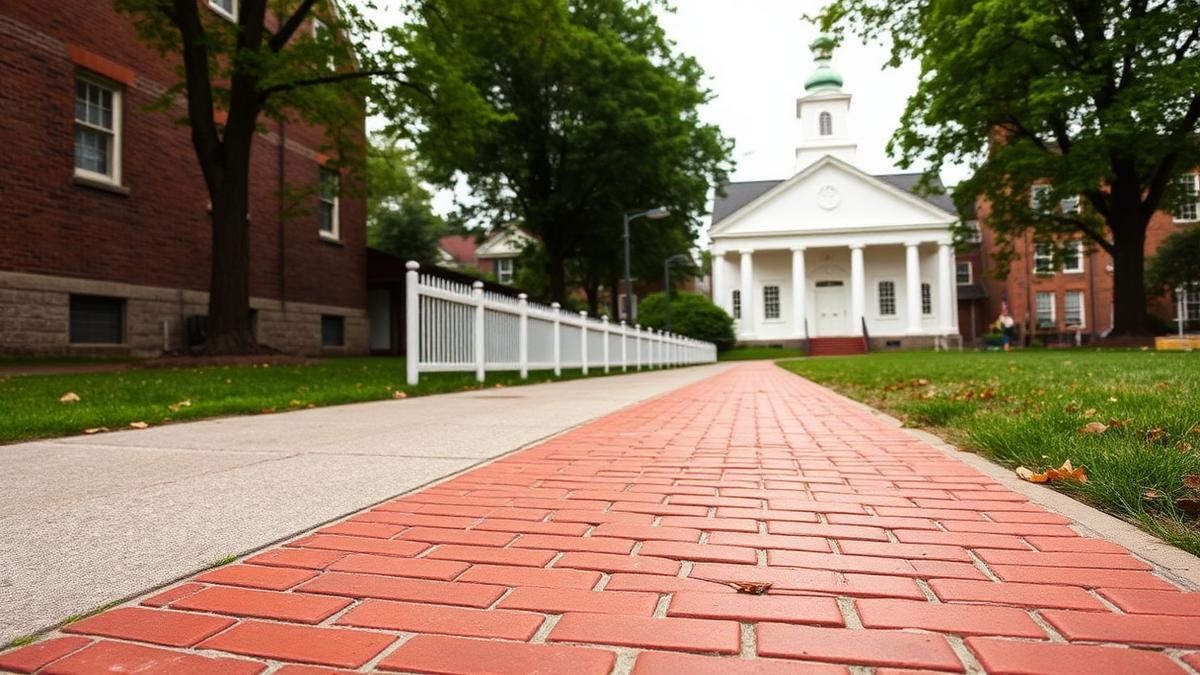
    Stepping into Carpenters' Hall feels like an immediate transport to the 18th century. Unlike the more formal Independence Hall, its intimate scale and rustic charm offer a direct connection to the pragmatic, determined spirit of the early patriots. The hall remains owned and operated by the Carpenters' Company, and its preservation reflects a deep veneration for its historical role. Wander through its rooms, examine the period furniture, and visualize those pivotal debates where the idea of an American nation truly began to coalesce.

    Benjamin Franklin’s Philadelphia: Innovator and Statesman

    No exploration of Revolutionary Philadelphia would be complete without paying homage to one of its most remarkable figures: Benjamin Franklin. You can spend an entire day tracing his extraordinary life and multifaceted contributions. Begin at Franklin Court, nestled just off Market Street, a historical site operated by the National Park Service. While his original home is no longer standing, a ghost structure outlines its footprint, allowing you to envision where this prodigious inventor, printer, and statesman lived. Below the ghost structure, the Franklin Court Museum offers fascinating exhibits on his scientific discoveries, political career, and printing legacy, including a working 18th-century print shop.

    Beyond Franklin Court, consider visiting Christ Church Burial Ground (at 5th & Arch Streets), where Franklin and his wife Deborah are interred, their graves frequently adorned with pennies thrown good-humoredly by visitors (following the saying "A penny for your thoughts"). His legacy stretched far beyond politics; he founded the Library Company of Philadelphia (America's first lending library), the American Philosophical Society, and helped establish the University of Pennsylvania. Throughout the historic district, you'll find his influence evident, reminding you of the polymath who helped illuminate the path to nationhood.

    Elfreth's Alley: A Glimpse of Colonial Life

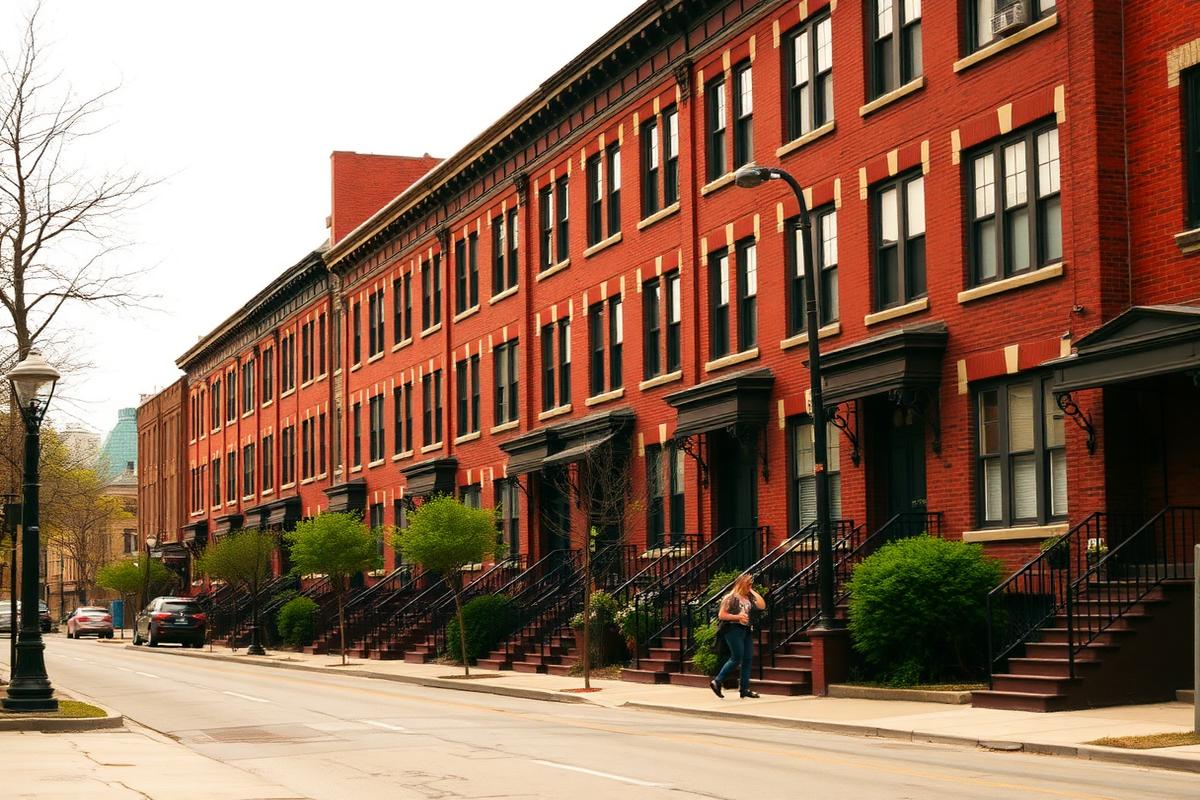
    Take a charming detour from grand government buildings to Elfreth's Alley, America's oldest continuously inhabited residential street. Tucked away between 2nd Street and Front Street, this narrow cobblestone lane, dating back to 1702, offers a delightful contrast to the monumental architecture of the civic center. Imagine the daily lives of 18th-century artisans and tradespeople who lived in these 32 impeccably preserved homes, their stories etched into the very fabric of the street. Each brick facade, each window box, whispers tales of early colonial families.

    Walking through Elfreth's Alley, you'll feel as though you've stepped directly into a painting from centuries past. The Elfreth's Alley Museum, housed in two of the historic homes (Numbers 124 and 126), provides a wonderful opportunity to step inside and experience what daily life was like for Philadelphians before and during the Revolution. It's a perfect spot for photography and for truly appreciating the intimate scale of early American city dwelling, making history feel personal and tangible.

    Congress Hall and Old City Hall: The Seat of Early Government

    Flanking Independence Hall, you'll find two additional structures critical to the nascent republic: Congress Hall and Old City Hall. Congress Hall, completed in 1787, served as the meeting place for the U.S. Congress from 1790 to 1800, during Philadelphia's decade as the nation's capital. It was here that George Washington was inaugurated for his second term as President in 1793, and John Adams for his first in 1797. You can walk through the preserved House of Representatives chamber on the first floor and the Senate chamber upstairs, imagining the passionate debates that shaped national policy.

    Across the square, Old City Hall, completed in 1791, housed the U.S. Supreme Court during the same period. While less ornate than Congress Hall, its function was equally vital, representing the judicial branch of the new federal government. Together, these buildings formed the complete operational center of the United States for Tthe first crucial years, demonstrating the meticulous planning and dedication that established the three branches of government. Exploring them offers a vivid sense of the practical administration of a newly formed nation.

    Christ Church: A Spiritual Pillar of the Revolution

    Just a short walk from the main historical complex stands Christ Church, a magnificent Georgian Anglican church whose steeple dominated the Philadelphia skyline in the 18th century. Many of the Founding Fathers, including George Washington, Benjamin Franklin (who contributed generously to its steeple fund), John Adams, and Betsy Ross, were parishioners. Attending a service or simply visiting this beautiful church allows you to connect with the spiritual lives of those who shaped the nation.

    The interior, with its elegant high-backed pews and sense of serene history, feels strikingly authentic. Imagine Washington kneeling here in prayer, seeking divine guidance during times of immense national crisis. Knowledgeable docents often share stories about the church's role during the Revolution, including how its bells were pulled down to prevent the British from melting them for cannonballs. It’s a place of quiet reflection, offering a different, but equally important, perspective on the revolutionary era.

    Final Word

    To walk the streets of Philadelphia is to engage in a profound dialogue with history. It is to feel the weight of monumental decisions and to sense the enduring spirit of courage and innovation that birthed a nation. From the grand pronouncements of Independence Hall to the intimate pathways of Elfreth's Alley, every corner of this historic city invites you to connect with the past on a deeply personal level.

    As you depart, you won’t just carry memories of historical sites; you'll take with you a renewed appreciation for the extraordinary vision and sacrifice that laid the groundwork for American democracy. Philadelphia isn't merely a destination; it’s an immersive pilgrimage, leaving you with a richer understanding of what it means to be an American, walking in the footsteps of those who dared to dream a new world into existence.

    Frequently Asked Questions

    Where did the Founding Fathers meet in Philadelphia?+

    The Founding Fathers primarily met at Independence Hall, then known as the Pennsylvania State House, and Carpenters' Hall in Philadelphia. Independence Hall is located at 520 Chestnut St, Philadelphia, PA 19106.

    Can you visit Independence Hall without a tour?+

    Yes, you can visit Independence Hall. Timed entry tickets are required March through December and can be reserved online through Recreation.gov for a small processing fee. No tickets are required in January and February.

    How much does it cost to enter the Liberty Bell Center?+

    Admission to the Liberty Bell Center is free. It is located at 526 Market St, Philadelphia, PA 19106, within Independence National Historical Park.

    What is the best way to experience Colonial Philadelphia?+

    The best way to experience Colonial Philadelphia is by walking through Independence National Historical Park. Many key sites like Independence Hall, the Liberty Bell Center, and Carpenters' Hall are within easy walking distance of each other.

    Sources & Further Reading

    Spotted an error? See our corrections policy. Curious about our research? Read our editorial policy and sources.