All ArticlesArchitecture

    Natchez, Mississippi: Antebellum Architecture and Hard Truths

    W
    Whitebeavers Editorial Team
    July 5, 2026 · 12 min

    Reviewed against our editorial policy and sources.

    Natchez, Mississippi: Antebellum Architecture and Hard Truths

    Natchez, Mississippi, showcases some of America's most stunning antebellum architecture, yet it also confronts the brutal realities of its past.

    From our reporting

    Wandering through the opulent rooms of Stanton Hall, I was struck by the intricate plasterwork and towering ceilings, imagining grand soirées, yet a quiet unease settled knowing the unseen labor that made such luxury possible. Outside, the scent of magnolia hung heavy in the humid air, a fragrant counterpoint to the weight of history that permeates every brick and column, demanding reflection beyond mere admiration.

    Key Takeaways

    • Natchez, MS, possesses an exceptionally preserved collection of antebellum architecture, primarily Greek Revival and Federal styles.
    • The city's immense wealth during the antebellum period was directly generated by the forced labor of enslaved people on cotton plantations.
    • Early preservation efforts, particularly the Natchez Pilgrimage, saved many historic homes but often presented a romanticized, incomplete narrative.
    • Modern interpretations in Natchez are increasingly focused on presenting a more comprehensive history, integrating the experiences of enslaved individuals and African American heritage.
    • Natchez serves as a powerful example of a city grappling with its complex past, balancing architectural appreciation with the recognition of historical injustices.

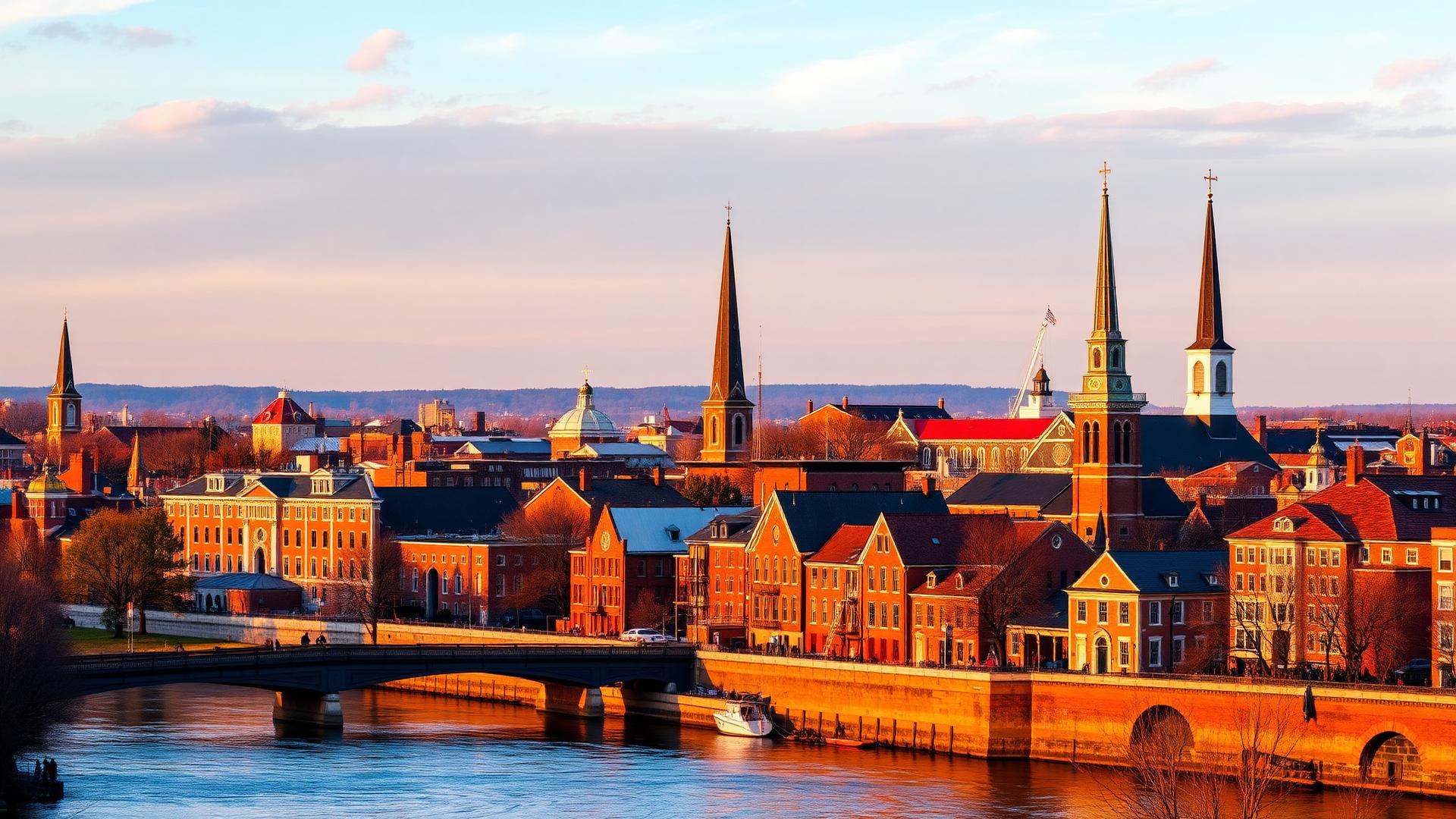
    Natchez, Mississippi, a city perched majestically on bluffs overlooking the Mississippi River, stands as a living museum of the American antebellum South. Its stately mansions, grand and ornate, evoke an era of opulence and intricate social structures. These architectural marvels, with their towering columns, wide verandas, and elaborate interiors, draw visitors seeking a glimpse into a bygone age. However, to truly understand Natchez is to look beyond the elegant facades and confront the complex, often painful, history that financed such grandeur. The city's beauty is inextricably linked to the institution of chattel slavery, a truth that enriches its historical narrative even as it challenges contemporary interpretations.

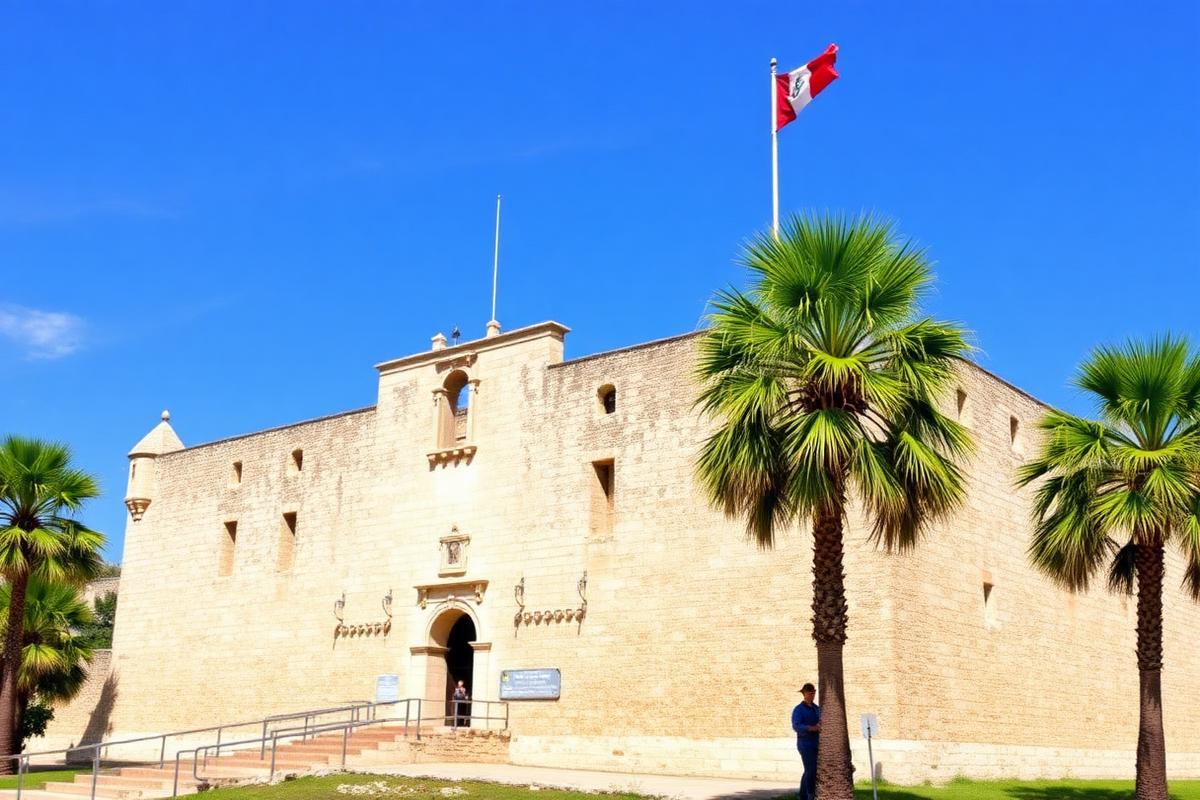
    Founded by the French in 1716 as Fort Rosalie, Natchez eventually became a pivotal port and agricultural center under Spanish and later American rule. Its strategic location and fertile surrounding lands made it ideal for cotton cultivation, which transformed it into one of the wealthiest cities per capita in the United States by the mid-19th century. This immense wealth was built upon the forced labor of enslaved Africans and African Americans, whose contributions, though often overlooked in traditional narratives, are fundamental to the city’s architectural and economic legacy. Today, Natchez grapples with presenting this dual history, inviting visitors to appreciate its architectural heritage while also reflecting on the human cost that undergirded it.

    The Rise of Cotton Kingdom Architecture

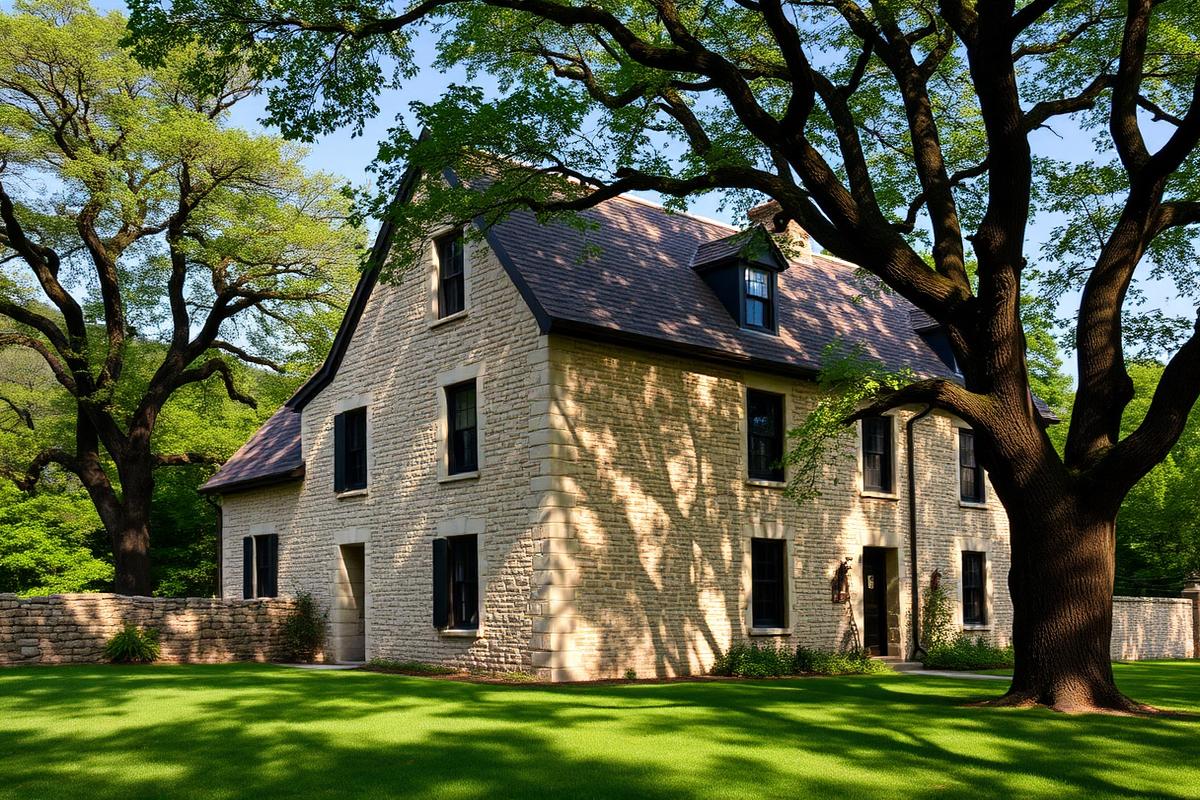
    The period from the 1830s to the 1860s marked the zenith of Natchez's prosperity, fueled almost entirely by the insatiable demand for cotton. This economic boom allowed plantation owners and merchants to construct magnificent homes, many of which survive today. The dominant architectural styles were Greek Revival and Federal, characterized by their symmetrical designs, classical columns, and imposing scale. These homes were not merely residences; they were statements of wealth, power, and social standing, designed to impress and to reflect the aspirations of their owners. Architects and builders, many of them enslaved, meticulously crafted these structures, using local timber, imported materials, and intricate detailing that showcased unparalleled craftsmanship.

    Properties like Longwood, a fantastical octagonal mansion left unfinished at the outbreak of the Civil War, and Stanton Hall, a grand Greek Revival edifice spanning an entire city block, exemplify this era's architectural ambition. These estates often included expansive grounds, intricate gardens, and numerous outbuildings, forming self-contained communities that were meticulously maintained. The sheer scale and number of these surviving antebellum homes—Natchez boasts more pre-Civil War structures than any other city in Mississippi—make it a uniquely preserved architectural landscape. Each brick, each column, tells a story of ambition, labor, and the economic engine that drove the South.

    Preservation Efforts and Challenges

    Unlike many Southern cities that suffered extensive damage during the Civil War, Natchez was largely spared due to its strategic importance and its early surrender to Union forces in 1862. This preservation, ironically, ensured the survival of its architectural treasures. In the post-war period, many families struggled to maintain their grand estates. The Natchez Pilgrimage, initiated in 1932 by the Natchez Garden Club and the Pilgrimage Garden Club, played a crucial role in saving these homes by opening them to tourists, generating much-needed revenue for their upkeep. This initiative not only preserved the physical structures but also cemented Natchez's reputation as a destination for antebellum architecture.

    Today, preservation continues through a combination of private ownership, non-profit organizations, and local government initiatives. However, maintaining these historic properties is an enormous and ongoing challenge. The sheer age of the buildings, combined with climate factors like humidity and occasional severe weather, requires constant vigilance and significant financial investment. The debate over how best to interpret these sites, balancing architectural appreciation with historical accuracy, is also a contemporary challenge, as preservationists and historians work to ensure that the narratives presented are inclusive and comprehensive.

    The Unseen Labor: Enslavement and Plantation Life

    The grandeur of Natchez's mansions was directly funded by the agricultural system of the antebellum South, which relied entirely on the forced labor of enslaved people. Plantations surrounding Natchez, such as Melrose and Frogmore, were massive operations where hundreds of enslaved individuals toiled from dawn till dusk in brutal conditions, cultivating cotton, sugar, and other cash crops. Their work in the fields, in the homes, and in skilled trades like carpentry and masonry, was the engine of the region's economy and the foundation of its aristocratic society. The wealth generated by their forced labor allowed plantation owners to build and maintain their elaborate lifestyles.

    The stories of the enslaved are gradually being brought to the forefront, challenging romanticized notions of the Old South. While many antebellum tours historically focused solely on the lives of the wealthy white families, there is a growing recognition of the need to tell the stories of those whose labor made such wealth possible. Sites like the Forks of the Road slave market, once one of the largest in the South, now serve as stark reminders of the brutal reality of human trafficking that underpinned Natchez’s prosperity. Interpreting these sites responsibly means acknowledging the immense suffering and resilience of the enslaved population, and recognizing their indelible contribution to American history and the built environment of Natchez.

    Natchez After the Civil War: Reconstruction and Beyond

    The end of the Civil War and the abolition of slavery brought profound changes to Natchez. The economic system collapsed, and many prominent families lost their fortunes. The city entered a period of Reconstruction, marked by social and political upheaval. African Americans, newly freed, began to establish communities, schools, and businesses, striving for self-determination in a society still deeply entrenched in racial prejudice. While the grand plantations struggled, new industries and communities began to emerge, slowly reshaping the city's identity.

    The legacy of the antebellum era continued to cast a long shadow. Jim Crow laws and racial segregation defined much of the 20th century in Natchez, perpetuating inequalities that stemmed from slavery. However, the Civil Rights Movement brought about significant changes, challenging the established order and paving the way for a more equitable future. Today, Natchez continues to evolve, seeking to reconcile its past with its present, striving to tell a more complete and honest narrative that encompasses all of its residents and their contributions.

    Interpreting History: Challenges and New Approaches

    For decades, the narrative presented at Natchez’s historic homes often focused on the lives of the wealthy white families, largely overlooking or romanticizing the institution of slavery. This approach, while preserving the physical structures, presented an incomplete and often misleading historical picture. However, there has been a significant shift in recent years. Many historic sites, tour operators, and local organizations are now committed to a more comprehensive and accurate interpretation, integrating the stories of enslaved people, freedmen, and indigenous populations into their narratives. This includes discussing the economic mechanisms of slavery, the daily lives of enslaved individuals, and their resistance and resilience.

    This shift is evident in new exhibits, revised tour scripts, and dedicated historical markers, such as those at the Forks of the Road slave market site. The goal is to move beyond a purely aesthetic appreciation of the architecture to a deeper understanding of the societal structures that produced it. This often involves difficult conversations, but it is essential for a truthful engagement with history. By confronting the hard truths alongside the architectural beauty, Natchez provides a powerful lesson in the complexities of American history and the ongoing process of historical reconciliation.

    Natchez Today: A City Embracing Its Whole Story

    Today, Natchez is more than just a collection of beautiful old houses. It is a vibrant community actively working to acknowledge and present its complete history. While tourism centered on its antebellum homes remains a cornerstone of its economy, there's a growing emphasis on historical accuracy and inclusivity. Efforts are underway to highlight African American heritage, promote cultural diversity, and engage in dialogues about the city's past and future. The Natchez National Historical Park plays a vital role in this by interpreting multiple aspects of the city's history, including the lives of enslaved people at Melrose Estate.

    Visitors to Natchez now have opportunities to experience a more nuanced understanding of the city. Beyond the mansion tours, there are initiatives to explore the city's Civil Rights history, its indigenous past, and the lives of its diverse populations. This commitment to telling its whole story, embracing both its architectural splendor and the difficult truths of its past, positions Natchez as a significant site for understanding the intricate tapestry of American history, offering a powerful reflection on legacy, remembrance, and progress.

    Frequently Asked Questions

    Why was Natchez spared during the Civil War?+

    Natchez was largely spared significant damage during the Civil War because it surrendered to Union forces early in the conflict, in 1862, making it an important logistical and strategic base for the Union Army. This prevented the widespread destruction seen in many other Southern cities.

    What is the Forks of the Road slave market?+

    The Forks of the Road was one of the largest slave markets in the Deep South during the antebellum period, located just outside downtown Natchez. Thousands of enslaved people were bought and sold there from the 1830s until the end of the Civil War. Today, it is a site of historical interpretation and remembrance, part of the Natchez National Historical Park.

    What architectural styles are prominent in Natchez?+

    The most prominent architectural styles in Natchez's antebellum homes are Greek Revival and Federal. Greek Revival is characterized by its classical columns, symmetrical facades, and imposing scale, while Federal architecture often features a more restrained elegance with balanced proportions and decorative fanlights.

    How does Natchez interpret its history of slavery today?+

    Today, Natchez is actively working to present a more comprehensive and accurate history. Many historic sites, including those within the Natchez National Historical Park like Melrose, have revised their interpretations to include the stories of enslaved people, their lives, labor, and resilience. Efforts are also made to highlight African American heritage and the impact of slavery on the city's development.

    What is the Natchez Pilgrimage?+

    The Natchez Pilgrimage is a historic tourism event, initiated in 1932 by local garden clubs, that opens private antebellum homes to the public. It was crucial in generating revenue for the preservation of these historic structures during the Great Depression and beyond, establishing Natchez as a premier destination for antebellum architecture.

    Sources & Further Reading

    Spotted an error? See our corrections policy. Curious about our research? Read our editorial policy and sources.