All ArticlesHistory

    Lowell, Massachusetts: Mill Girls and the American Industrial Revolution

    W
    Whitebeavers Editorial Team
    July 21, 2026 · 12 min

    Reviewed against our editorial policy and sources.

    Lowell, Massachusetts: Mill Girls and the American Industrial Revolution

    Discover the pivotal role of Lowell, Massachusetts, in the American Industrial Revolution and the extraordinary lives of its 'Mill Girls.'

    From our reporting

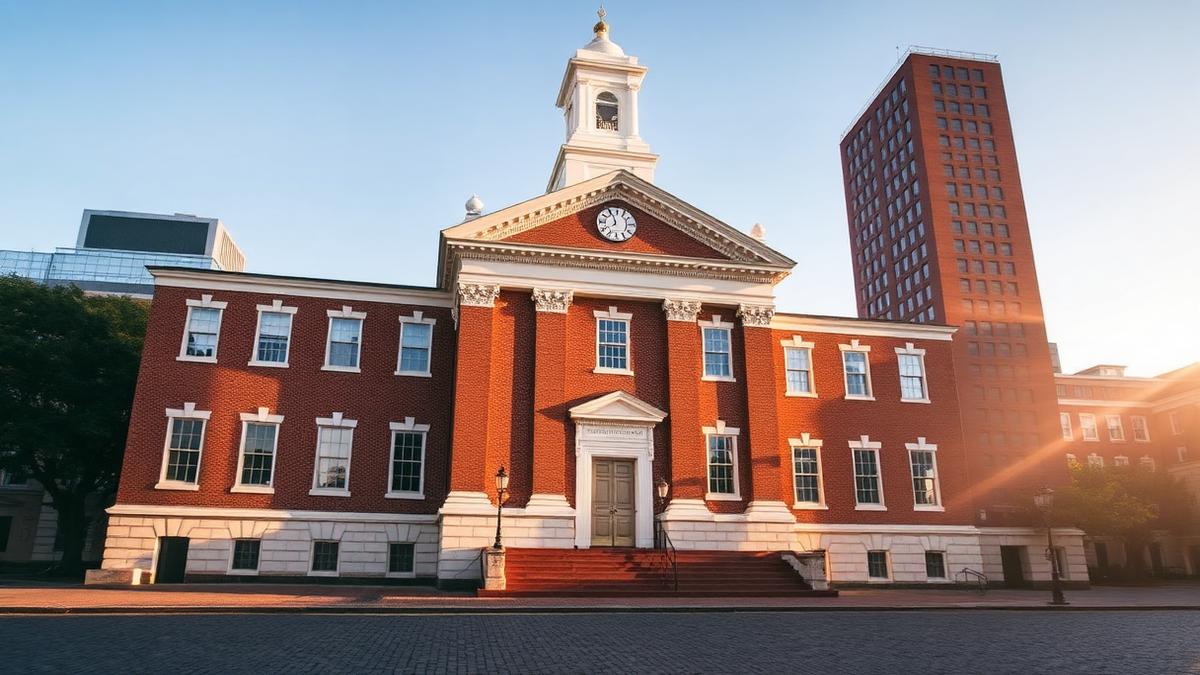
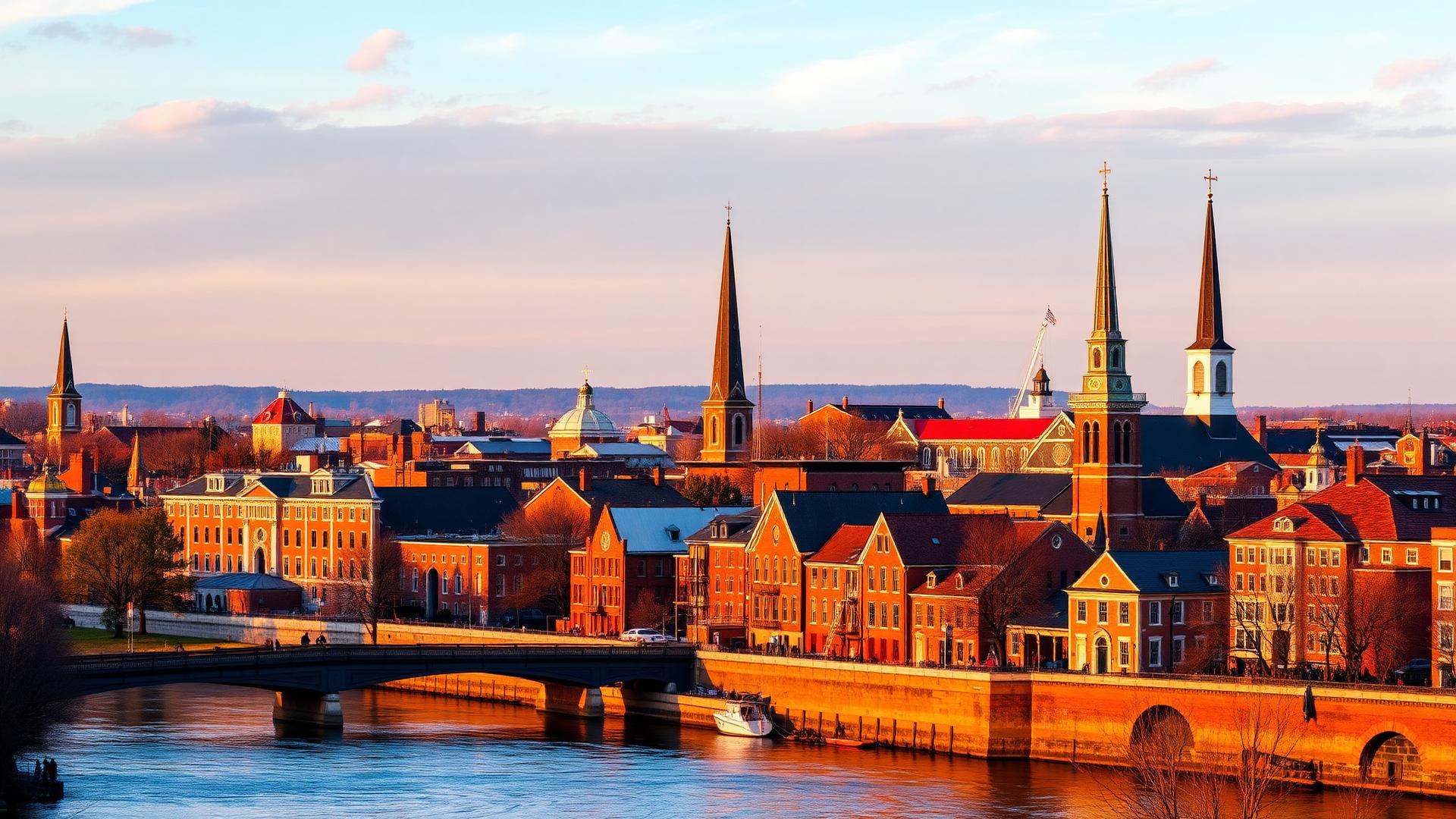
    Walking along the Pawtucket Canal in Lowell, I could almost hear the rush of the Merrimack River powering invisible turbines, feel the ghost of cotton dust in the air. The sheer scale of the red-brick mill complexes is astonishing, dwarfing everything around them, a palpable sense of the immense energy and human endeavor that shaped America's industrial might. You can almost envision the rhythmic clatter and whirring, a symphony of industrial progress and relentless labor.

    Key Takeaways

    • Lowell, Massachusetts, was a planned industrial city built in the early 19th century, designed to be a model of industrialization.
    • The 'Lowell System' attracted young women ('Mill Girls') from New England farms, offering them economic independence and a supervised living environment.
    • Life in the mills involved long, arduous hours in noisy, dusty conditions, leading to early labor protests and "turn-outs."
    • The Lowell Offering, a literary magazine by the Mill Girls, showcased their intellectual lives and challenged stereotypes.
    • Lowell's workforce diversified significantly in the mid-19th century with waves of European immigrants, and its industrial legacy is now preserved as a National Historical Park.

    Lowell, Massachusetts, stands as a monumental testament to the ambition and transformative power of the American Industrial Revolution. Nestled along the Merrimack River, this city, once a quiet agricultural community, was purposefully built in the early 19th century to harness water power for textile manufacturing. It was not merely a collection of factories but a grand experiment in industrial organization, urban planning, and social engineering, designed to showcase a model of industrialization that would avoid the squalor and social unrest plaguing European industrial centers.

    The story of Lowell is inextricably linked to the 'Mill Girls' – young women from New England farms who migrated to the burgeoning city seeking economic independence and educational opportunities. Their presence, working in the massive textile mills, became a defining characteristic of Lowell's early decades, shaping its unique social fabric and leaving an indelible mark on American labor history. This planned industrial city, with its innovative blend of technology, capital, and a carefully managed workforce, became a symbol of American ingenuity and a crucible for nascent labor movements.

    The Visionaries: Crafting a City from Scratch

    The genesis of Lowell can be traced to the Boston Associates, a powerful group of wealthy industrialists led by Francis Cabot Lowell. After touring British textile mills and surreptitiously memorizing the designs of advanced power looms, Lowell and his partners established the Boston Manufacturing Company in Waltham, Massachusetts, in 1813. This venture was groundbreaking, integrating all stages of cotton production, from raw fiber to finished cloth, under one roof. The success of the Waltham mill quickly outgrew its water power capacity, prompting the Associates to seek a new, more expansive site.

    Their search led them to the Great Falls of the Merrimack River in East Chelmsford, a site offering immense hydraulic potential. In 1821, they purchased the land and began an ambitious project to construct a new industrial city from the ground up. Renamed Lowell in honor of Francis Cabot Lowell, who had passed away in 1817, the city was meticulously planned. A complex system of canals and locks was engineered to divert the Merrimack's waters to power numerous mills, while company-built boarding houses, churches, and even schools were erected to support the anticipated workforce. This strategic urban development was a stark contrast to the organic, often chaotic growth of European industrial towns, reflecting the Associates' desire to create a "utopian" industrial community.

    The Lowell System: A Novel Approach to Labor

    The Boston Associates developed the 'Lowell System,' an innovative labor model designed to attract and retain a respectable workforce, particularly young women. Unlike the impoverished factory workers in Britain, the Lowell operatives were primarily unmarried women aged 15-30 from rural New England farms. The companies provided boarding houses, supervised by matrons, which enforced strict curfews, mandatory church attendance, and moral codes. This paternalistic approach aimed to reassure parents about the safety and virtue of their daughters working in the mills, thereby ensuring a steady supply of labor.

    The Lowell System also offered relatively competitive wages for the era, which allowed women to save money, support their families, or fund their education. In an age when few opportunities for female economic independence existed outside of domestic service or teaching, mill work presented a significant opportunity. The system also fostered a sense of community among the workers, living and socializing together in the boarding houses, which would later play a crucial role in their collective actions when conditions deteriorated. However, it's important to note that while offering better conditions than some European counterparts, the work itself was arduous, monotonous, and often dangerous.

    Life in the Mills: Daily Routines and Harsh Realities

    A typical workday for a Lowell Mill Girl was long and demanding, extending from 5:00 AM to 7:00 PM, six days a week. Mill bells tolled to signal wake-up, breakfast, and the start of work, governing every aspect of their day. Inside the mills, the air was thick with cotton dust, and the incessant roar of machinery – thousands of spindles and looms – made communication difficult. Operatives were responsible for tending multiple machines, piecing broken threads, and ensuring smooth operation, often standing for much of their 12 to 14-hour shifts.

    Despite the promise of a respectable environment, the reality of mill work was physically taxing. The constant noise led to hearing loss, the dust caused respiratory problems, and repetitive motions contributed to musculoskeletal issues. Accidents involving machinery were not uncommon, leading to injuries and even fatalities. While wages were initially attractive, increasing production quotas without corresponding wage increases, along with speed-ups and stretch-outs (requiring workers to manage more machines), gradually eroded the initial advantages of the Lowell System. The romanticized image of the "Mill Girl" often overshadowed the grueling nature of their daily labor.

    Early Labor Activism: The Lowell Offering and Strikes

    The unique concentration of educated young women in Lowell fostered an environment ripe for intellectual and social discourse. Many Mill Girls engaged in literary pursuits, attending lectures, forming reading groups, and contributing to the renowned 'Lowell Offering,' a literary magazine published by the workers themselves. This publication provided a platform for their voices, showcasing their talents and reflecting on their experiences, thereby challenging prevailing stereotypes about female factory workers.

    As economic pressures intensified and working conditions worsened in the 1830s and 1840s, the Mill Girls began to organize. They participated in early labor protests, notably the "turn-outs" or strikes of 1834 and 1836, in response to wage cuts and increased board charges. Though these early strikes were largely unsuccessful in reversing company policies, they represented a significant moment in American labor history, marking some of the first industrial strikes led by women. These actions demonstrated the growing awareness of workers' rights and the burgeoning spirit of collective action, paving the way for future labor movements.

    Immigration and Shifting Demographics

    By the mid-19th century, the demographics of Lowell's workforce began to shift dramatically. As the economic incentives for native-born women diminished and opportunities for westward expansion or alternative employment increased, fewer New England farm girls sought work in the mills. Simultaneously, waves of European immigrants, particularly Irish fleeing the Great Famine in the 1840s, began arriving in large numbers. These new arrivals, often desperate for work, were willing to accept lower wages and endure harsher conditions, leading to a decline in wages and a further erosion of the paternalistic Lowell System.

    Later in the century, French-Canadians, Greeks, Poles, Portuguese, and other ethnic groups followed, transforming Lowell into a vibrant, multi-ethnic city. This influx of immigrant labor continued to fuel the mills, but it also changed the city's social fabric. The earlier vision of a homogeneous, morally upright workforce gave way to a diverse, often segregated, working-class population. The boarding houses gradually disappeared, replaced by tenements and ethnic enclaves, reflecting the changing nature of industrial labor and urban life in America.

    Decline and Preservation: Lowell's Legacy

    Lowell's textile industry reached its peak in the late 19th and early 20th centuries, but by the 1920s, it faced increasing competition from Southern mills with lower labor costs and newer machinery, as well as foreign competition. The Great Depression delivered a devastating blow, and by the 1950s, most of Lowell's major textile mills had closed or moved away, leaving behind a city grappling with high unemployment and economic decline. The once-bustling mill complexes fell into disuse and disrepair, mirroring the fate of many older industrial cities in the Northeast.

    However, Lowell underwent a remarkable transformation in the latter half of the 20th century. Recognizing its profound historical significance as a cradle of the American Industrial Revolution, efforts began in the 1970s to preserve its industrial heritage. In 1978, Congress established Lowell National Historical Park, a pioneering initiative that aimed to interpret and preserve the city's unique industrial landscape, including its canals, mills, and historic neighborhoods. Today, Lowell stands as a powerful example of urban revitalization, where its industrial past is celebrated and integrated into a modern, diverse community, attracting visitors and researchers alike to explore its compelling history.

    Frequently Asked Questions

    What was the primary industry in Lowell during its industrial peak?+

    The primary industry in Lowell during its industrial peak was textile manufacturing, specifically cotton production.

    Who were the 'Mill Girls' and why were they significant?+

    The 'Mill Girls' were young, unmarried women from New England farms who came to Lowell to work in the textile mills. They were significant because they formed the backbone of Lowell's early workforce, represented a novel approach to labor in the American Industrial Revolution, and were among the first industrial workers to engage in organized labor protests in the United States.

    What was the 'Lowell System'?+

    The 'Lowell System' was a paternalistic labor model developed by the Boston Associates. It involved employing young, single women and providing them with company-owned boarding houses, supervised living conditions, and cultural/educational opportunities, in addition to wages, to create a respectable and stable workforce.

    When did the Lowell textile industry begin to decline?+

    The Lowell textile industry began its significant decline in the early 20th century, particularly after the 1920s, due to competition from Southern mills and overseas, and was severely impacted by the Great Depression.

    Sources & Further Reading

    Spotted an error? See our corrections policy. Curious about our research? Read our editorial policy and sources.