All ArticlesFestivals

    Juneteenth in Galveston and Beyond: How a Texas Holiday Became National

    W
    Whitebeavers Editorial Team
    July 31, 2026 · 12 min

    Reviewed against our editorial policy and sources.

    Juneteenth in Galveston and Beyond: How a Texas Holiday Became National

    Discover the profound journey of Juneteenth, from its Galveston origins to its recognition as a national holiday.

    From our reporting

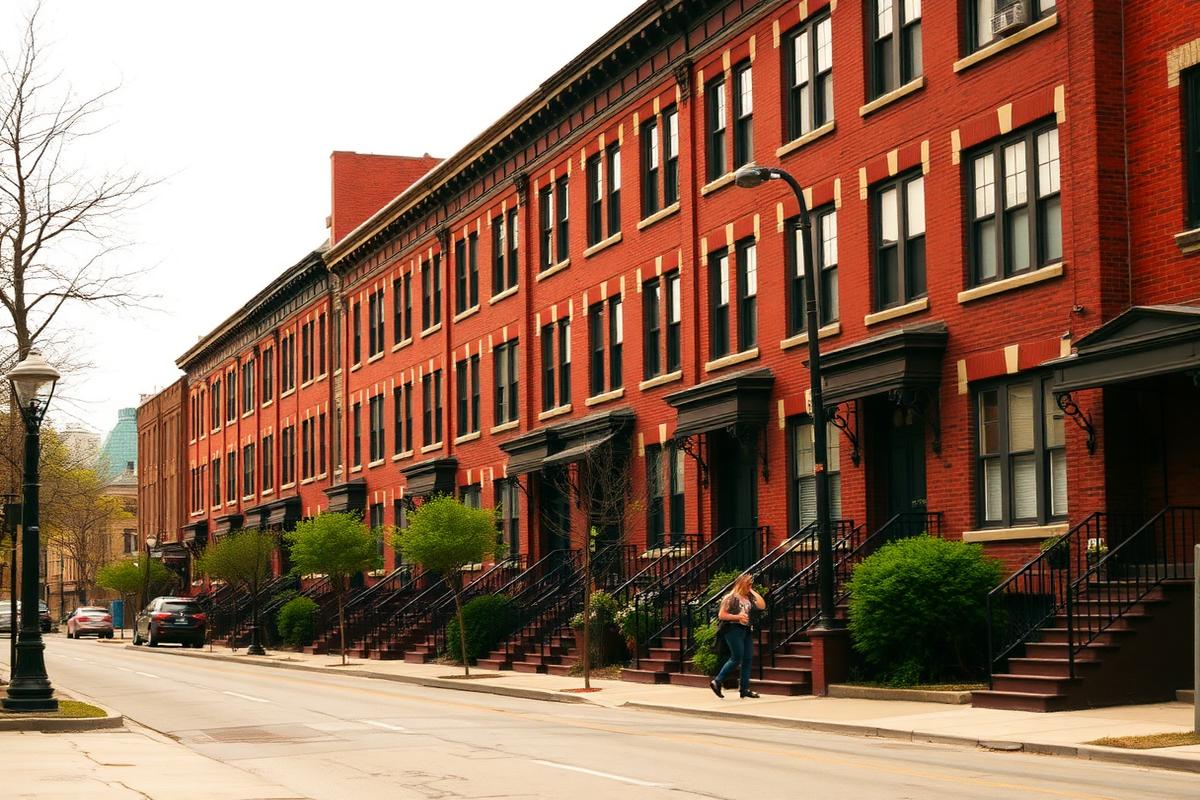
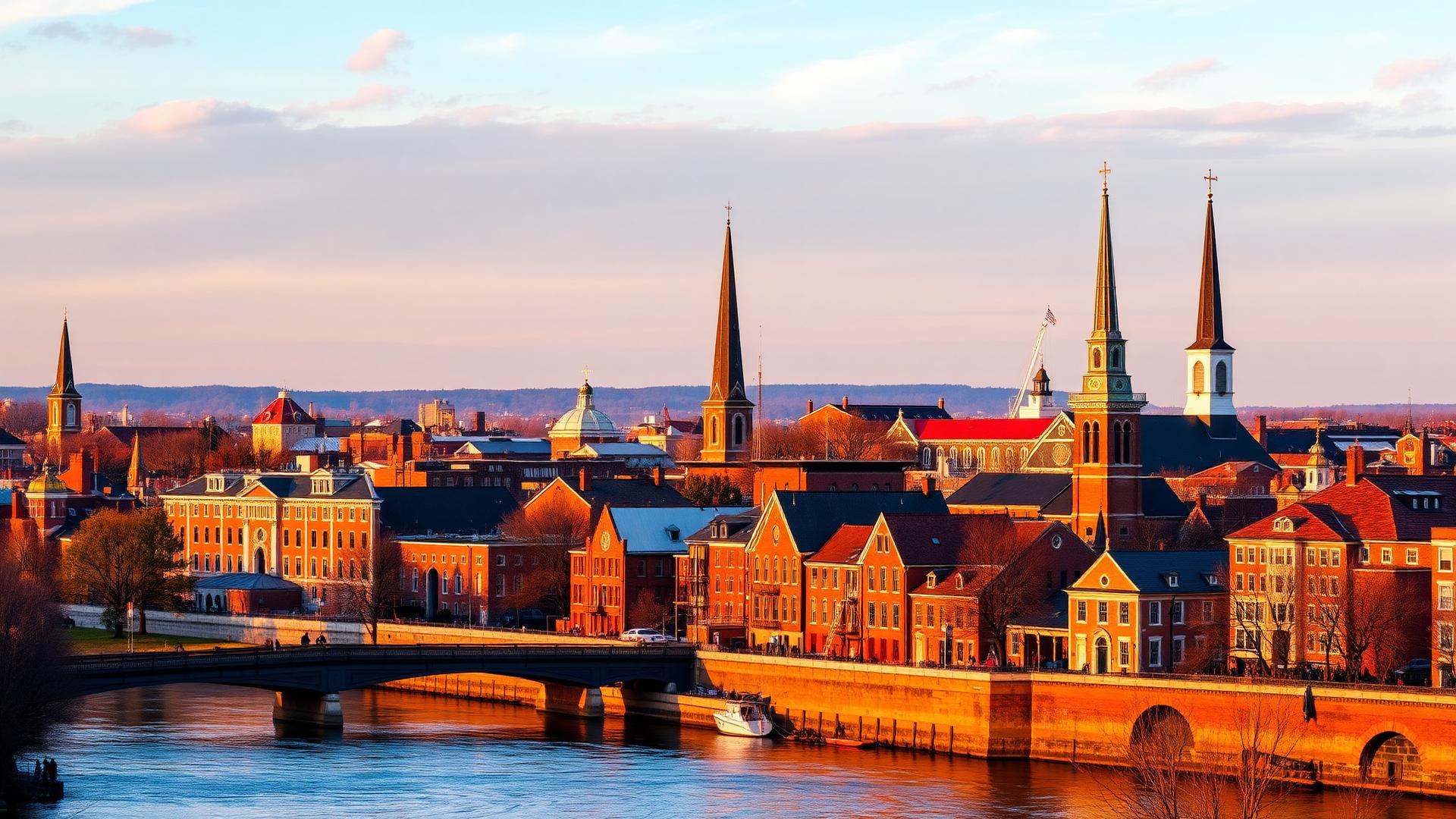
    Standing on the brick streets of Galveston, near the historical marker for General Order No. 3, I could almost feel the weight of history in the humid air, imagining the mix of emotions that must have washed over the newly freed. The salty breeze carried faint sounds from the Strand, a modern counterpoint to the quiet solemnity of the moment, yet the essence of resilience and emergent hope seemed palpable.

    Key Takeaways

    • Juneteenth commemorates the official end of slavery in the United States on June 19, 1865, when Union General Gordon Granger issued General Order No. 3 in Galveston, Texas.
    • The Emancipation Proclamation, issued in 1863, had limited immediate effect in Texas due to the absence of Union military enforcement.
    • Early Juneteenth celebrations were vital acts of community building and cultural assertion, often held in dedicated 'Emancipation Grounds' due to racial segregation.
    • Despite suppression during Jim Crow, Juneteenth persisted as a symbol of defiance and resilience within the Black community.
    • Juneteenth was recognized as a Texas state holiday in 1979 and became a U.S. federal holiday on June 17, 2021, marking a significant step in national recognition and education.

    On June 19, 1865, Union General Gordon Granger arrived in Galveston, Texas, and issued General Order No. 3, formally declaring the freedom of enslaved people in the state. This pivotal moment, occurring more than two and a half years after President Abraham Lincoln's Emancipation Proclamation, marked the true end of chattel slavery in the United States. The news spread slowly, often through word of mouth, bringing a mixture of disbelief, jubilation, and a profound sense of uncertainty to newly freed individuals who had endured generations of bondage.

    The day quickly became known as Juneteenth, a portmanteau of 'June' and 'nineteenth.' For over a century and a half, it has been observed by African Americans, primarily in Texas and later across the nation, as a day of remembrance, celebration, and reflection on freedom, resilience, and the ongoing struggle for civil rights. What began as a local observance in Galveston has evolved into a national holiday, a testament to the enduring power of its message and the persistent advocacy of generations.

    The Slow March of Emancipation in Texas

    The Emancipation Proclamation, issued by President Lincoln on January 1, 1863, declared enslaved people in Confederate states to be free. However, its immediate impact was limited. Confederate states, including Texas, did not recognize Lincoln's authority, and without a Union military presence to enforce the proclamation, many enslavers continued to hold people in bondage. Texas, geographically isolated from major battlefields and benefiting from a robust cotton economy, became a refuge for enslavers from other Southern states who moved their human property westward, hoping to escape Union forces.

    This meant that even as the Civil War raged and eventually concluded with the Confederacy's surrender in April 1865, slavery persisted in Texas largely unchecked. The arrival of General Granger and his troops in Galveston was thus not merely a formality but a critical military action to enforce federal law and bring the reality of emancipation to the last bastion of Confederate slaveholding. The announcement on the porch of what is now the Reedy Chapel AME Church (though the exact location of Granger's reading is debated) was a turning point, signaling a new, albeit challenging, era for Texas and its Black population.

    Early Juneteenth Celebrations: A Foundation of Freedom

    The first Juneteenth celebrations were characterized by spontaneous gatherings, picnics, prayer meetings, and the reading of General Order No. 3. Newly freed individuals, often with little more than the clothes on their backs, sought to reclaim their identities and celebrate their newfound liberty. These early events were not just parties; they were crucial acts of community building and cultural assertion. They often took place in public parks or rented grounds, as Black people were largely excluded from white-owned facilities.

    As years passed, Juneteenth observances became more organized. Communities pooled resources to purchase 'Emancipation Grounds' or 'Freedom's Villages' where celebrations could be held annually. Examples include Emancipation Park in Houston, purchased in 1872 by a group of former enslaved people including Reverend Jack Yates. These spaces provided safe havens for Black Texans to gather, reflect on their past, educate their children, and articulate their hopes for the future, fostering a distinct cultural heritage that continues today.

    Suppression and Resilience: Juneteenth Through Jim Crow

    Despite its profound significance, Juneteenth faced significant challenges during the late 19th and early 20th centuries. The rise of Jim Crow laws, racial segregation, and white supremacy movements led to increased oppression, economic disenfranchisement, and violence against African Americans. This climate made public celebrations of Black freedom dangerous and difficult. Many Juneteenth events had to be held discreetly or faced harassment and intimidation. Public resources for Black communities were scarce, making it harder to sustain large-scale celebrations.

    Yet, the observance of Juneteenth persisted, a testament to the resilience and determination of the Black community. It became an act of defiance, a quiet but firm assertion of identity and heritage in the face of systemic racism. Families passed down traditions, stories, and the meaning of the day, ensuring that the memory of emancipation and the struggle for full citizenship would not be forgotten, even as broader society sought to erase it.

    The Civil Rights Movement and a Resurgence of Recognition

    The mid-20th century saw a resurgence of interest in Juneteenth, particularly alongside the burgeoning Civil Rights Movement. As African Americans fought for voting rights, an end to segregation, and equal opportunities, the historical significance of Juneteenth resonated deeply. It served as a powerful reminder of past injustices and the ongoing struggle for freedom and equality. Activists utilized Juneteenth celebrations to mobilize communities, register voters, and raise awareness about contemporary civil rights issues.

    In 1968, Rev. Ralph Abernathy, a leader in the Southern Christian Leadership Conference (SCLC), brought Juneteenth to national attention when he included it in the Poor People's Campaign March to Washington, D.C. Participants in the march, many of whom were from Texas and the South, highlighted Juneteenth as a crucial, yet largely overlooked, aspect of American history. This moment was pivotal in beginning to introduce Juneteenth to a broader, national audience beyond its traditional Southern base.

    From Texas State Holiday to National Observance

    Texas officially recognized Juneteenth as a state holiday in 1979, thanks to the efforts of State Representative Al Edwards. This was a landmark achievement, making Texas the first state to declare Juneteenth a paid holiday. This legislative recognition provided a significant boost to the holiday's profile and encouraged other states to consider similar actions. The movement for national recognition, however, would take many more decades.

    The push for federal recognition gained momentum in the late 20th and early 21st centuries, driven by community organizers, historians, and activists like Ms. Opal Lee, often referred to as the 'Grandmother of Juneteenth.' For years, Ms. Lee walked from her home in Fort Worth, Texas, to Washington D.C., advocating tirelessly for Juneteenth to be made a national holiday. Her dedication, alongside the advocacy of numerous others and a national reckoning on racial justice in 2020, ultimately led to bipartisan support in Congress.

    Juneteenth National Independence Day: A New Chapter

    On June 17, 2021, President Joe Biden signed the Juneteenth National Independence Day Act into law, officially making Juneteenth a federal holiday. This historic act marked a significant milestone, cementing Juneteenth's place in the national consciousness and curriculum. The federal holiday designation ensures that June 19th is observed nationwide, prompting a deeper understanding of its history and significance among all Americans.

    The recognition of Juneteenth as a national holiday is not just about celebration; it is about education, reflection, and acknowledging a crucial, often overlooked, chapter in American history. It encourages a national conversation about freedom, equity, and the ongoing work required to achieve true justice for all. From the shores of Galveston to the halls of Congress, Juneteenth's journey reflects the complex and enduring struggle for liberty in the United States.

    The Evolution of Juneteenth Traditions: From Picnics to Parades

    Early Juneteenth celebrations were deeply communal, often centered around family picnics, baseball games, and fishing. These gatherings provided crucial spaces for formerly enslaved people and their descendants to congregate freely, share stories, and reinforce cultural bonds. Food played a significant role, with red drinks like strawberry soda and red velvet cake symbolizing resilience and the shedding of blood. Musical performances, often featuring spirituals and gospel, were integral to the festivities.

    As Juneteenth gained wider recognition, its celebratory forms expanded. Parades became increasingly prominent, showcasing community pride and providing a platform for local organizations and churches. Educational programs and historical reenactments were incorporated to ensure that the younger generations understood the holiday's profound significance. These evolving traditions reflect Juneteenth's dual nature: a joyful commemoration of freedom and a somber reflection on the long struggle for civil rights.

    Juneteenth's Enduring Relevance: A Call for Continued Justice

    While Juneteenth's national recognition in 2021 marked a significant milestone, its enduring relevance extends beyond a single day of celebration. The holiday serves as a powerful reminder of the systemic injustices that persisted long after the Emancipation Proclamation and the arduous journey toward full equality. It encourages a critical examination of American history, acknowledging both its triumphs and its failures.

    Today, Juneteenth is increasingly viewed as a call to action, inspiring ongoing efforts to dismantle racial disparities in education, healthcare, and the justice system. It fosters dialogue about reparations, economic empowerment, and the pursuit of a truly equitable society. The spirit of Juneteenth, therefore, is not merely about looking back, but about actively working towards a future where the promise of freedom and justice is fully realized for all.

    Celebrating Juneteenth Today: Education and Empowerment

    Modern Juneteenth celebrations often include a blend of traditional and contemporary elements. Picnics, parades, and family reunions remain central, featuring red foods and drinks that symbolize resilience and sacrifice, such as red velvet cake, watermelon, and hibiscus tea. Educational events, historical reenactments, and art exhibitions are also prominent, serving to inform and engage the public about the holiday's origins and its continued relevance.

    Beyond festivities, Juneteenth serves as a powerful opportunity for civic engagement and advocacy. It is a day to reflect on the progress made since 1865, acknowledge the systemic inequalities that persist, and recommit to the pursuit of a more just and equitable society. In Galveston and across the nation, Juneteenth is a vibrant, living tradition that honors the past, celebrates the present, and inspires hope for the future.

    Frequently Asked Questions

    What is the significance of General Order No. 3?+

    General Order No. 3, issued by Union General Gordon Granger on June 19, 1865, in Galveston, Texas, formally announced to enslaved people in Texas that they were free, thus enforcing President Lincoln's Emancipation Proclamation in the last Confederate state where slavery was still widely practiced.

    Why is Juneteenth celebrated on June 19th and not January 1st, when the Emancipation Proclamation was issued?+

    While President Lincoln issued the Emancipation Proclamation on January 1, 1863, its enforcement was dependent on Union military presence. Texas, being geographically isolated, was one of the last Confederate states to have the proclamation enforced. June 19, 1865, marks the day Union troops arrived in Galveston to ensure the freedom of enslaved people in Texas, making it the effective end of slavery in the Confederacy.

    What kinds of traditions are associated with Juneteenth celebrations?+

    Traditional Juneteenth celebrations often include picnics, parades, family reunions, and historical reenactments. Foods and drinks with a red hue, such as red velvet cake, watermelon, and hibiscus tea, are common, symbolizing resilience and the shedding of blood. Educational events and community gatherings focusing on African American history and culture are also central to modern observances.

    Who was instrumental in the movement to make Juneteenth a national holiday?+

    Many individuals and organizations advocated for Juneteenth's national recognition. Key figures include State Representative Al Edwards, who helped make it a Texas state holiday in 1979, and Ms. Opal Lee, often called the 'Grandmother of Juneteenth,' who tirelessly walked and campaigned for federal recognition for decades.

    Sources & Further Reading

    Spotted an error? See our corrections policy. Curious about our research? Read our editorial policy and sources.