All ArticlesHistory

    Harpers Ferry: Where Three States and Three Revolutions Meet

    W
    Whitebeavers Editorial Team
    July 25, 2026 · 14 min

    Reviewed against our editorial policy and sources.

    Harpers Ferry: Where Three States and Three Revolutions Meet

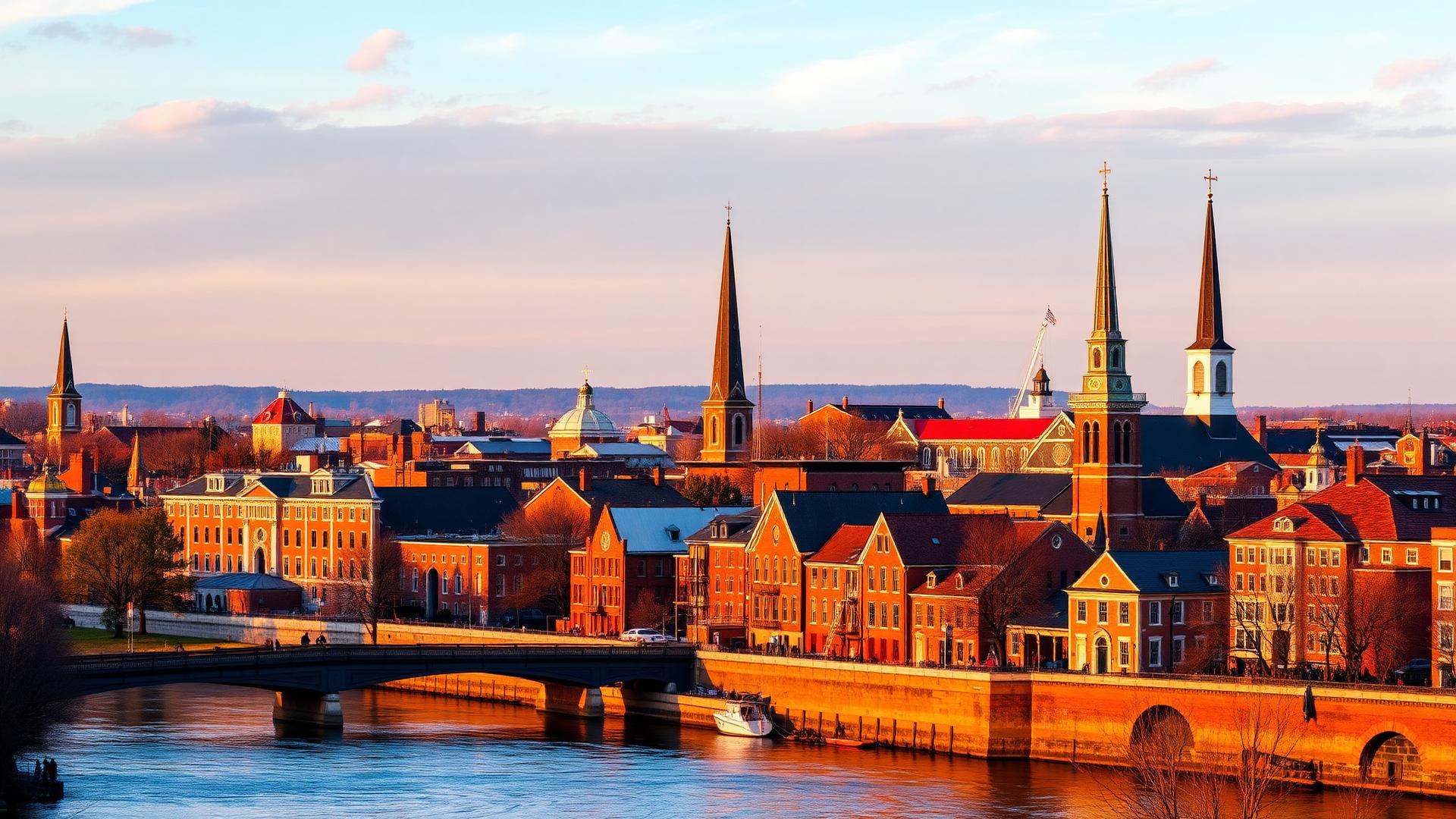
    Harpers Ferry, a town steeped in history at the confluence of the Potomac and Shenandoah rivers, stands as a testament to pivotal moments in American history.

    From our reporting

    Standing at Jefferson Rock, the panoramic view of the two rivers converging, cutting through the ancient mountains, feels almost sacred. There's a palpable weight to the air in Lower Town, particularly near John Brown's Fort – you can almost hear the echoes of history, the tension and the urgency that must have filled these streets. The damp, cool air rising from the rivers carries a distinct scent of wet stone and old earth, a silent reminder of the countless stories held within these historic walls.

    Key Takeaways

    • Harpers Ferry was home to one of the early United States' most important federal armories and arsenals, showcasing early American industrialization.
    • John Brown's 1859 raid on Harpers Ferry was a pivotal event that significantly escalated tensions between North and South, contributing to the outbreak of the Civil War.
    • The town was strategically vital during the Civil War, changing hands at least eight times and experiencing significant military engagements, including a major Union surrender to Stonewall Jackson.
    • Following the Civil War, Harpers Ferry became a center for African American education with the founding of Storer College.
    • Today, Harpers Ferry is preserved as a National Historical Park, offering insights into its industrial, abolitionist, and Civil War history, as well as natural beauty.

    Nestled in the picturesque Blue Ridge Mountains, at the dramatic confluence of the Potomac and Shenandoah Rivers, lies Harpers Ferry, West Virginia. More than just a scenic overlook, this small town has played an outsized role in the shaping of American identity, serving as a critical juncture for revolutionary ideas, industrial innovation, and the brutal realities of civil conflict. Its unique geographical position, where the borders of Maryland, Virginia (now West Virginia), and a history of intertwined destinies meet, has made it a stage for some of the nation's most defining moments, earning it a reputation as a place where three states and three revolutions converge.

    From Native American habitation to early European settlement, the strategic importance of Harpers Ferry was recognized long before its most famous episodes. Its waterways provided avenues for trade and transportation, and its natural defenses made it a valuable outpost. However, it was the late 18th and 19th centuries that truly etched Harpers Ferry into the annals of American history, witnessing transformations that resonated across the nascent nation and ultimately contributed to its greatest internal struggle.

    George Washington's Vision: The Industrial Revolution Takes Root

    The first 'revolution' to touch Harpers Ferry was industrial. George Washington, ever the visionary, recognized the strategic potential of the site for manufacturing and transportation. In 1794, influenced by Washington's advocacy, Congress authorized the establishment of a federal armory and arsenal at Harpers Ferry. This decision marked a pivotal moment, transforming the quiet riverside settlement into a hub of innovation and production. The armory, designed to produce firearms for the young nation's defense, quickly became one of the country's most important industrial complexes.

    For decades, the Harpers Ferry Armory was at the forefront of American manufacturing, producing muskets, rifles, and pistols that armed the U.S. military. The town grew around this industrial engine, attracting skilled laborers, artisans, and entrepreneurs. The roaring furnaces, clanging hammers, and whirring machinery of the armory symbolized America's burgeoning industrial might. It was a place where technology met national defense, showcasing the rapid advancements of the early American republic and establishing a precedent for federal industrial enterprises.

    John Brown's Raid: The Prelude to Civil War

    The second and perhaps most famous 'revolution' associated with Harpers Ferry was John Brown’s audacious raid in October 1859. Brown, a fervent abolitionist, believed that armed insurrection was the only way to end slavery in the United States. He chose Harpers Ferry as his target, intending to seize the federal armory's weapons, arm enslaved people, and spark a widespread slave rebellion throughout the South. On the night of October 16, 1859, Brown and his small band of 21 men launched their attack, successfully taking control of the armory and arsenal.

    The raid, though ultimately unsuccessful and quickly suppressed by U.S. Marines led by Colonel Robert E. Lee, sent shockwaves across the nation. In the North, many abolitionists viewed Brown as a martyr, a heroic figure willing to die for the cause of freedom. In the South, however, Brown was seen as a dangerous terrorist, and the raid confirmed their deepest fears of Northern aggression and the potential for slave uprisings. Harpers Ferry became a symbol of the irreconcilable differences between the North and South, further fueling the escalating tensions that would erupt into the Civil War just 18 months later. The events of those few days in October 1859 are widely considered a direct catalyst for the conflict.

    Harpers Ferry During the Civil War: A Strategic Seesaw

    The third 'revolution' that engulfed Harpers Ferry was the American Civil War itself. Due to its strategic location at the confluence of two major rivers, its connection to the Baltimore & Ohio Railroad, and the presence of the armory, Harpers Ferry became a critical military objective for both Union and Confederate forces. Control of the town shifted hands no fewer than eight times during the war, earning it the grim distinction of being one of the most contested places in the conflict.

    Early in the war, Confederate forces, under the command of Colonel Thomas J. Jackson (later 'Stonewall' Jackson), seized the armory in April 1861, salvaging valuable machinery before destroying the buildings to prevent their use by the Union. This initial action demonstrated the town's importance. Throughout the war, Union garrisons were frequently stationed there, guarding the vital railway lines and river crossings. However, its isolated position, surrounded by high bluffs, made it a vulnerable target. The most significant engagement occurred in September 1862, when General Jackson, during the Maryland Campaign, orchestrated the surrender of nearly 12,000 Union troops stationed at Harpers Ferry, an unprecedented loss for the Union. This victory secured Jackson's flank before the Battle of Antietam. The constant ebb and flow of armies, the destruction, and the human cost left an indelible mark on the town and its inhabitants.

    Reconstruction and African American Education

    In the aftermath of the Civil War, Harpers Ferry, though scarred, began to rebuild and reinvent itself. The armory was not reconstructed, but a new chapter for the town emerged with the establishment of Storer College. Founded in 1867 by the Freewill Baptists with the support of the Freedmen's Bureau, Storer College was one of the first institutions of higher education in the United States dedicated to the education of African Americans.

    Storer College provided opportunities for former enslaved people and their descendants to receive an education, training teachers, ministers, and leaders who would play crucial roles in the Reconstruction era and beyond. It was a beacon of hope and progress, particularly for Black Americans seeking to build new lives and contribute to a changing nation. The college's commitment to equality and education continued for nearly 90 years, closing its doors in 1955. Its legacy, however, remains a vital part of Harpers Ferry's history, symbolizing the struggle for civil rights and the power of education in the post-slavery South.

    Harpers Ferry Today: A National Historical Park

    Today, Harpers Ferry is preserved and interpreted as a National Historical Park, a living testament to its tumultuous past. The National Park Service meticulously maintains many of the historic buildings, allowing visitors to step back in time and experience the town as it appeared during its most significant periods. The park encompasses the Lower Town, where the armory once stood, and extends up to the surrounding heights, offering breathtaking views and opportunities for reflection.

    Visitors can explore the remnants of the armory, visit John Brown's Fort, and walk the streets where history unfolded. The various museums and exhibits within the park provide detailed accounts of the town's industrial past, John Brown's raid, the Civil War engagements, and the legacy of Storer College. The park also serves as a popular destination for outdoor enthusiasts, situated at the junction of the Appalachian Trail and numerous other hiking paths, further connecting its history with its natural beauty.

    Early Inhabitants and European Arrival

    Before European colonization, the confluence of the Potomac and Shenandoah Rivers at Harpers Ferry was a vibrant home to various indigenous groups for thousands of years. The area served as a crucial hunting ground and a strategic crossroads due to its abundant natural resources and waterways. Evidence suggests the presence of Algonquin-speaking tribes, including the Shawnee and Susquehannock, who utilized the fertile lands and fished the rich rivers. Their nuanced understanding of the local ecology and their established trade networks characterized their enduring presence in this significant geographical location.

    European exploration of the region began in the 17th century, with English colonists gradually expanding westward. The strategic importance of Harpers Ferry was recognized early on, not just for its fertile lands, but also for its potential as a transportation hub. Robert Harper, a millwright, officially established a ferry service across the Potomac in 1747, which ultimately gave the settlement its name. This marked a significant shift in the area's development, transitioning from indigenous stewardship to colonial enterprise, laying the groundwork for the industrial and military significance that would define Harpers Ferry for centuries to come.

    The Rise and Fall of Industry: From Armory to Tourism

    Following the Revolutionary War, Harpers Ferry became a pivotal site for early American industrialization. The establishment of the United States Armory and Arsenal in 1799 transformed the quiet village into a bustling manufacturing center. For over six decades, the armory was a primary producer of firearms for the U.S. military, employing skilled craftsmen and attracting a diverse population. This industrial boom fueled local commerce and infrastructure development, making Harpers Ferry a symbol of the young nation's burgeoning manufacturing capabilities. However, the Civil War brought an abrupt end to this industrial era, with the armory being repeatedly damaged and ultimately destroyed during the conflict.

    In the aftermath of the Civil War, Harpers Ferry struggled to regain its industrial prominence. The damage to its infrastructure and the changing landscape of manufacturing meant the armory would not be rebuilt. Instead, the town gradually transitioned towards a new identity, leveraging its historical significance and natural beauty. The late 19th and early 20th centuries saw the rise of tourism, with visitors drawn to its dramatic landscapes, its connection to John Brown, and its Civil War history. The establishment of Harpers Ferry as a National Historical Park in 1944 solidified its role as a premier destination for historical interpretation and outdoor recreation, preserving its complex past for future generations.

    Legacy and Enduring Significance

    Harpers Ferry's story is a microcosm of the American experience—a narrative of ambition, conflict, and resilience. It began as a testament to early industrial prowess, became a flashpoint for the nation's most profound moral crisis, and endured the ravages of civil war before emerging as a place of education and historical preservation. The confluence of the Potomac and Shenandoah rivers, which once powered its industries and defined its strategic importance, now serves as a serene backdrop to the powerful stories held within its streets and hills.

    The three 'revolutions' that converged at Harpers Ferry—industrial, abolitionist, and civil—did not merely pass through; they reshaped the very fabric of the town and left an indelible mark on the nation's character. By preserving this critical site, Harpers Ferry National Historical Park ensures that these pivotal moments are remembered, understood, and continue to inform our understanding of the complex and often turbulent journey of the United States.

    Frequently Asked Questions

    What was the significance of the federal armory at Harpers Ferry?+

    The federal armory at Harpers Ferry, established in 1794, was one of the United States' primary manufacturing centers for firearms. It was crucial for arming the nascent nation's military and represented a significant hub of early American industrialization.

    What was the main goal of John Brown's Raid?+

    John Brown's main goal in his 1859 raid on Harpers Ferry was to seize the weapons from the federal armory, arm enslaved people, and incite a widespread slave rebellion throughout the South to end slavery by force.

    How many times did Harpers Ferry change hands during the Civil War?+

    Due to its strategic location, Harpers Ferry changed hands between Union and Confederate forces at least eight times during the American Civil War, making it one of the most contested locations of the conflict.

    What was Storer College and its importance?+

    Storer College was an institution of higher education founded in Harpers Ferry in 1867. It was one of the first colleges in the United States dedicated to the education of African Americans, playing a vital role in Reconstruction and providing opportunities for former enslaved people and their descendants.

    Is Harpers Ferry a National Park?+

    Yes, Harpers Ferry is preserved as Harpers Ferry National Historical Park, managed by the National Park Service. The park protects and interprets the town's significant historical sites and natural landscape.

    Sources & Further Reading

    Spotted an error? See our corrections policy. Curious about our research? Read our editorial policy and sources.