All ArticlesArchitecture

    Galveston's Strand District: Victorian Splendor After the 1900 Storm

    W
    Whitebeavers Editorial Team
    July 29, 2026 · 12 min

    Reviewed against our editorial policy and sources.

    Galveston's Strand District: Victorian Splendor After the 1900 Storm

    Discover how Galveston's Strand District remarkably rebuilt its Victorian splendor after the devastating 1900 hurricane, preserving a unique architectural legacy.

    From our reporting

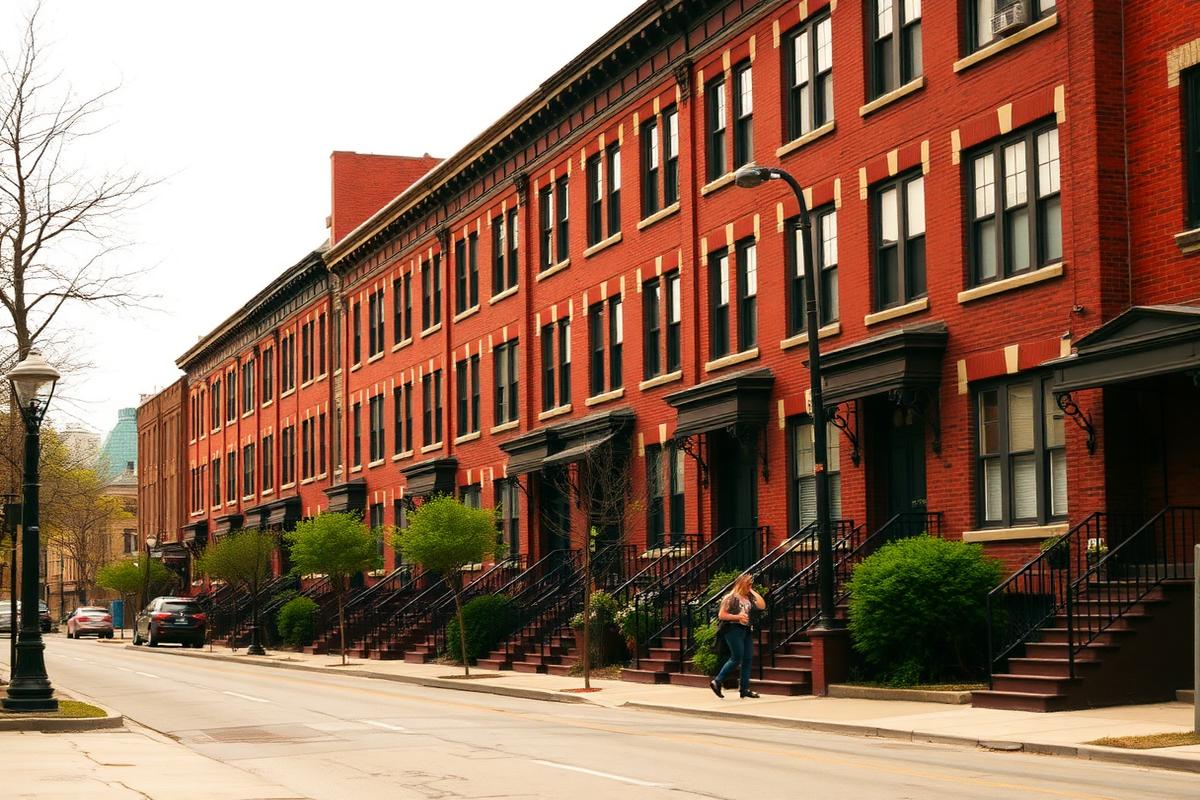
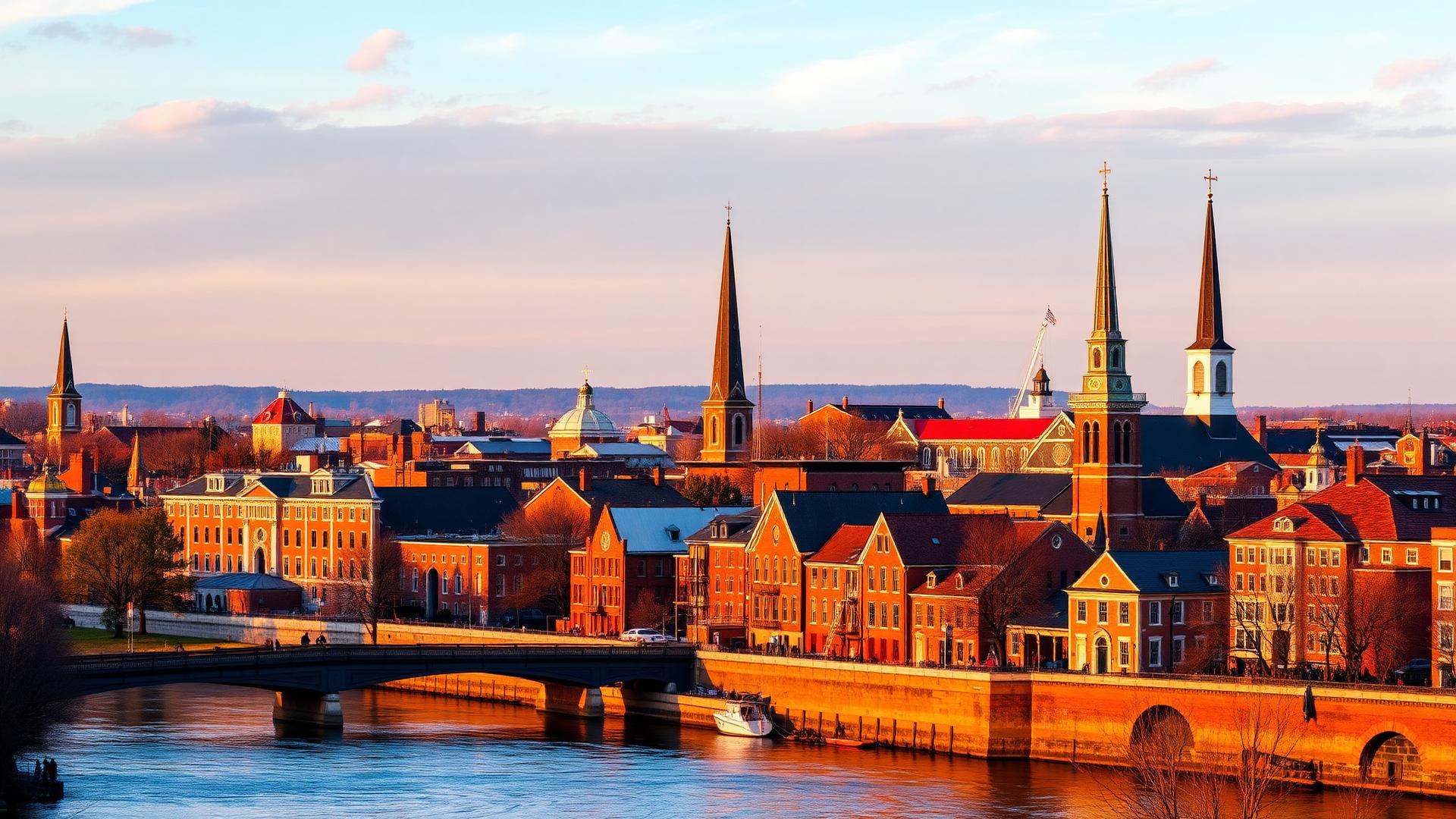
    The air on the Strand, even on a warm afternoon, carries a hint of salt and history, a palpable weight to the sturdy brick buildings. The intricate cast-iron detailing on the facades, though decades old, feels remarkably crisp under my fingertips, a testament to the craftsmanship and restoration efforts. I can almost hear the clatter of horse-drawn carriages and the buzz of merchants from a bygone era, the scent of fresh sea air mixing with imagined cotton bales.

    Key Takeaways

    • The 1900 Galveston hurricane, the deadliest U.S. natural disaster, profoundly impacted the city.
    • Despite widespread destruction, the Strand District's commercial buildings were largely rebuilt on existing foundations.
    • Reconstruction efforts after the 1900 storm showcased remarkable architectural resilience and commitment to the city's historic character.
    • The city undertook the monumental Grade Raising Project (1903-1911) to protect against future storm surges, indirectly preserving the rebuilt Strand.
    • The Strand District, a National Historic Landmark, now serves as a vibrant example of successful urban preservation and adaptive reuse.

    Galveston, Texas, a barrier island city on the Gulf Coast, boasts a history as rich and turbulent as the waters surrounding it. Once the largest city in Texas, a bustling port, and a beacon of Victorian grandeur, its fate was irrevocably altered on September 8, 1900. The Great Storm, as it came to be known, remains the deadliest natural disaster in U.S. history, claiming an estimated 6,000 to 12,000 lives and leaving the city in ruins. Yet, from the devastation, an extraordinary story of resilience and architectural preservation emerged, particularly within its commercial heart: the Strand District.

    Today, the Strand National Historic Landmark District is a vibrant testament to this indomitable spirit, a meticulously restored corridor of late 19th-century commercial buildings. It stands not only as a monument to the entrepreneurial vision that rebuilt Galveston but also as a living museum of Victorian-era American architecture, demonstrating how a city, faced with utter destruction, chose not to abandon its past but to meticulously reconstruct and elevate it.

    Galveston Before the Storm: A Southern Jewel

    Prior to 1900, Galveston was a cosmopolitan hub, often referred to as the "Ellis Island of the West" due to its significant immigration port. Its prosperity was built on cotton, shipping, and banking, attracting a diverse population and fostering a vibrant cultural scene. The city's downtown, particularly along Strand Street, was lined with impressive multi-story commercial blocks, often constructed of brick and adorned with intricate cast-iron detailing. These buildings housed banks, wholesale dry goods merchants, cotton factors, and a myriad of other businesses, reflecting the city's economic prowess.

    Architecturally, Galveston embraced the popular styles of the late 19th century, including Italianate, Queen Anne, and Richardsonian Romanesque. Many structures featured ground-floor storefronts with large display windows, upper floors for offices or residences, and decorative cornices. The city's wealth was evident in the quality of materials and craftsmanship, creating a cohesive and impressive urban landscape that drew comparisons to cities like New Orleans or Charleston. This established architectural character would prove crucial in guiding the rebuilding efforts.

    The Devastation of September 8, 1900

    The 1900 hurricane struck Galveston with unparalleled force. A Category 4 storm, it brought a devastating storm surge estimated at 15 feet, inundating the low-lying island. The city's elevation, just a few feet above sea level, offered little protection. While many residential structures, particularly those closer to the beach, were swept away entirely, the more substantial brick and stone commercial buildings of the Strand District often lost roofs, upper stories, and interiors, but their foundational walls frequently remained standing.

    The human toll was staggering, and the economic impact was immediate and profound. Businesses were ruined, infrastructure obliterated, and the very future of Galveston questioned. Many predicted the city would be abandoned, its role as a major port ceded to Houston. However, the determination of Galvestonians, coupled with significant external aid, quickly shifted the focus from despair to rebuilding.

    The Immediate Aftermath and Rebuilding Efforts

    In the wake of the storm, the immediate priority was recovery and the restoration of order. The city established a commission government, a pioneering form of municipal administration, to efficiently manage the rebuilding. Crucially, rather than abandoning the damaged structures of the Strand, many property owners and businesses saw an opportunity to reconstruct and modernize. The enduring brick shells provided a significant starting point, saving time and resources compared to entirely new construction.

    Rebuilding was swift and ambitious. Within a few years, much of the Strand District had been restored or reconstructed, often adhering to the original architectural footprints and styles. This commitment to historical continuity, even in the face of such profound destruction, underscored the deep civic pride and the recognition of the district's established character as integral to Galveston's identity and commercial viability.

    Architectural Resilience and Adaptation

    The rebuilding period saw a blend of preservation and practical adaptation. While many buildings were meticulously repaired to their pre-storm appearance, some were modified to incorporate newer technologies and stylistic elements of the early 20th century, subtly blending with the dominant Victorian aesthetic. This adaptive reuse ensured that the district remained functional and economically viable while retaining its historic fabric. For instance, new interior layouts or updated building systems were integrated within the sturdy, surviving brick shells.

    A significant engineering feat that profoundly impacted the city's long-term resilience and indirectly protected the rebuilt Strand was the grade raising project. From 1903 to 1911, the city undertook the monumental task of raising the elevation of large portions of the island, including thousands of buildings, by as much as 17 feet. This involved pumping sand from the Gulf underneath existing structures, effectively elevating entire blocks. This unparalleled effort provided crucial protection against future storm surges and demonstrated an extraordinary commitment to the city's future, safeguarding its historic architecture.

    The Strand's Decline and Rediscovery

    Despite the impressive post-storm recovery, the mid-20th century brought new challenges. Changes in transportation, the shift of port activities, and the rise of suburbanization led to a gradual decline in the Strand's commercial prominence. Many of its grand buildings fell into disrepair, with businesses moving out and vacancies increasing. The district, once a bustling commercial hub, became a largely overlooked collection of aging warehouses and empty storefronts.

    However, in the 1970s, a renewed interest in historic preservation began to emerge. Local preservationists, notably the Galveston Historical Foundation, recognized the irreplaceable architectural value of the Strand District. They initiated efforts to acquire, stabilize, and restore key properties, championing the district's designation as a National Historic Landmark in 1976. This recognition provided critical impetus and resources for its revitalization.

    Economic Revival: From Cotton to Tourism

    Before the 1900 storm, Galveston's economy was primarily driven by its bustling port, serving as a major hub for cotton export. The devastation significantly impacted this trade, but the city demonstrated remarkable foresight in diversifying its economic base during the rebuilding period. While port activities eventually recovered to a degree, the focus began to shift towards tourism and its unique historical assets. The restored Victorian architecture of the Strand, along with the island's natural beauty, gradually attracted visitors, establishing a new pillar of economic stability.

    The emphasis on heritage preservation, particularly evident in the meticulous restoration of The Strand, played a crucial role in this economic pivot. As early as the mid-20th century, local initiatives recognized the commercial value of the district's historical integrity. This foresight laid the groundwork for Galveston's current identity as a significant tourist destination, drawing individuals interested in history, architecture, and coastal leisure.

    The Human Element: Stories of Survival and Perseverance

    Beyond the architectural narratives, the story of Galveston's recovery is deeply intertwined with the extraordinary resilience of its inhabitants. Thousands endured unimaginable losses during the 1900 hurricane, yet the collective will to rebuild was profound. Accounts from survivors often detail acts of selfless courage, community support, and an unwavering determination to reclaim their homes and livelihoods. This human spirit was as vital to the city's resurgence as any engineering marvel or architectural restoration.

    The process of rebuilding involved not only physical labor but also a profound psychological recovery. Families and individuals, many having lost everything, worked tirelessly to reconstruct their lives and their city. This collective effort, driven by a deep attachment to Galveston, underscores the idea that a city's true strength lies in its people. Their perseverance continues to be a foundational element of Galveston's identity and its enduring legacy.

    Modern Day Strand: A Living Historic District

    Today, the Strand National Historic Landmark District is a vibrant example of successful urban preservation. It showcases a remarkable collection of late 19th-century commercial architecture, much of it either meticulously restored or reconstructed following the 1900 storm. The district now thrives as a cultural and commercial center, home to a diverse array of shops, restaurants, art galleries, and museums, attracting visitors and residents alike. The architecture itself tells a powerful story of resilience, innovation, and unwavering determination.

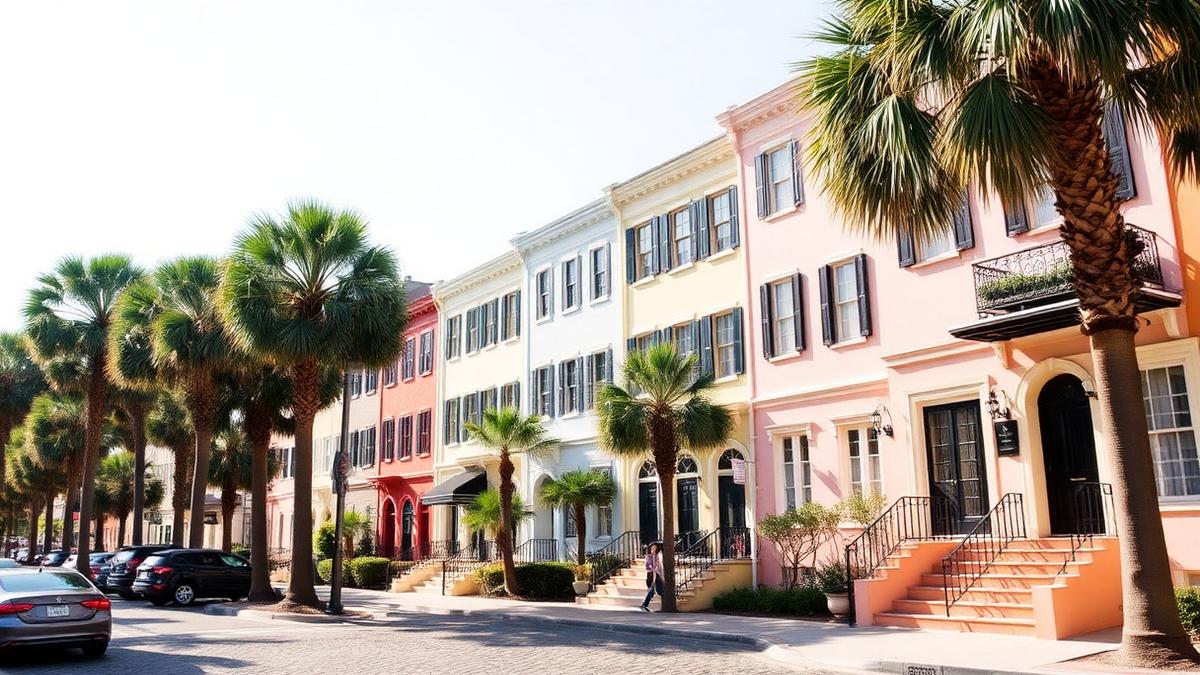
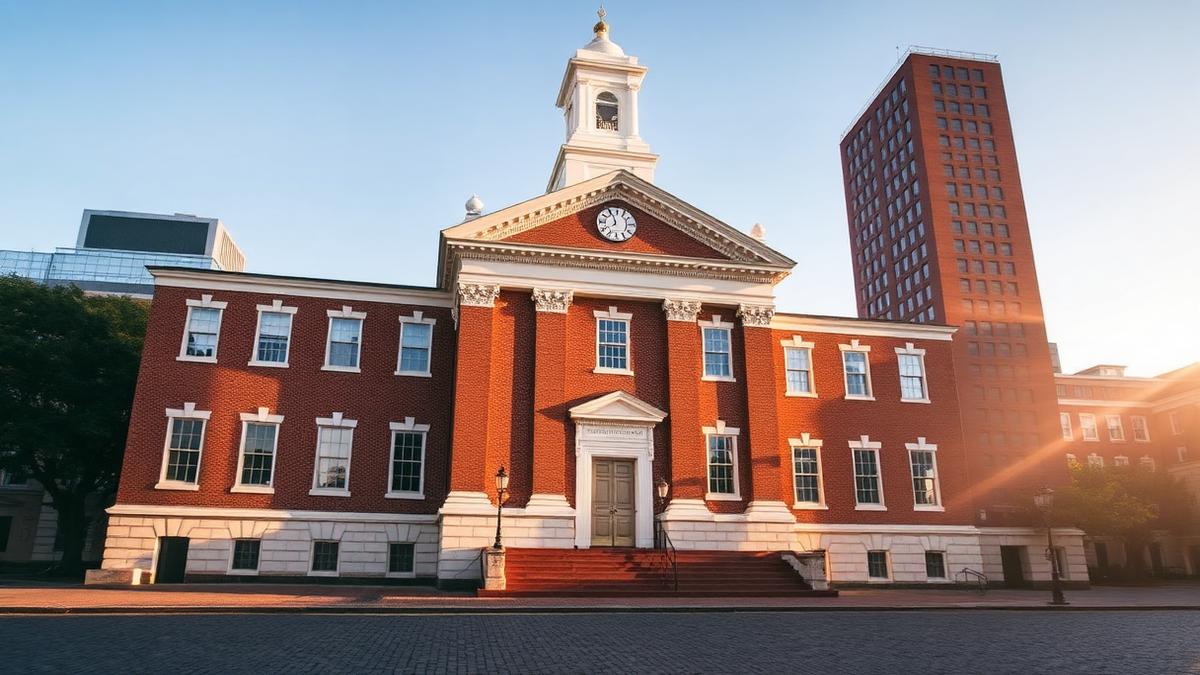
    Walking through the Strand, one can observe the intricate cast-iron balconies, the robust brickwork, and the detailed cornices that harken back to Galveston's golden age. The district stands as a testament to the idea that heritage can be a powerful engine for economic and cultural renewal, demonstrating how a city, scarred by catastrophe, can rebuild with an enduring respect for its past. Its continued vibrancy is a living memorial to the courage and vision of those who rebuilt Galveston against seemingly insurmountable odds.

    Frequently Asked Questions

    What was the estimated death toll of the 1900 Galveston hurricane?+

    The estimated death toll of the 1900 Galveston hurricane was between 6,000 and 12,000 people, making it the deadliest natural disaster in U.S. history.

    What was the grade raising project in Galveston?+

    The grade raising project was a massive engineering feat undertaken in Galveston between 1903 and 1911, which involved raising the elevation of much of the city, including many buildings, by as much as 17 feet by pumping sand underneath them, to protect against future storm surges.

    When was the Strand District designated a National Historic Landmark?+

    The Strand National Historic Landmark District was designated in 1976, recognizing its exceptional national significance in architecture and urban development.

    What architectural styles are prominent in Galveston's Strand District?+

    Prominent architectural styles in Galveston's Strand District include Italianate, Queen Anne, and Richardsonian Romanesque, reflecting the late 19th-century commercial building trends.

    How did Galveston's economy recover after the 1900 storm?+

    Galveston's economy recovered through ambitious rebuilding efforts, the establishment of a pioneering commission government, and the commitment of businesses and residents to restore its port and commercial activities, notably with the reconstruction of the Strand District.

    Sources & Further Reading

    Spotted an error? See our corrections policy. Curious about our research? Read our editorial policy and sources.