Charleston's Southern Cuisine: Beyond Shrimp and Grits
Reviewed against our editorial policy and sources.
Lowcountry cooking is one of America's great regional cuisines — here's where to taste it right.
From our reporting
Having grown up in Charleston, I can personally attest to the incredible culinary scene, and I'm eager to share some of my favorite local spots with you.
Key Takeaways
- Charleston's culinary scene extends far beyond cliché dishes, offering a rich tapestry of Gullah-Geechee, African, and European influences.
- Dine at establishments that honor traditional Lowcountry cooking methods and ingredients, supporting local purveyors and sustainable practices.
- Explore lesser-known eateries and markets to discover authentic flavors and experience the true depth of Charleston's food culture.
- Don't miss the chance to learn about the history behind the food, understanding its cultural significance and the stories it tells.
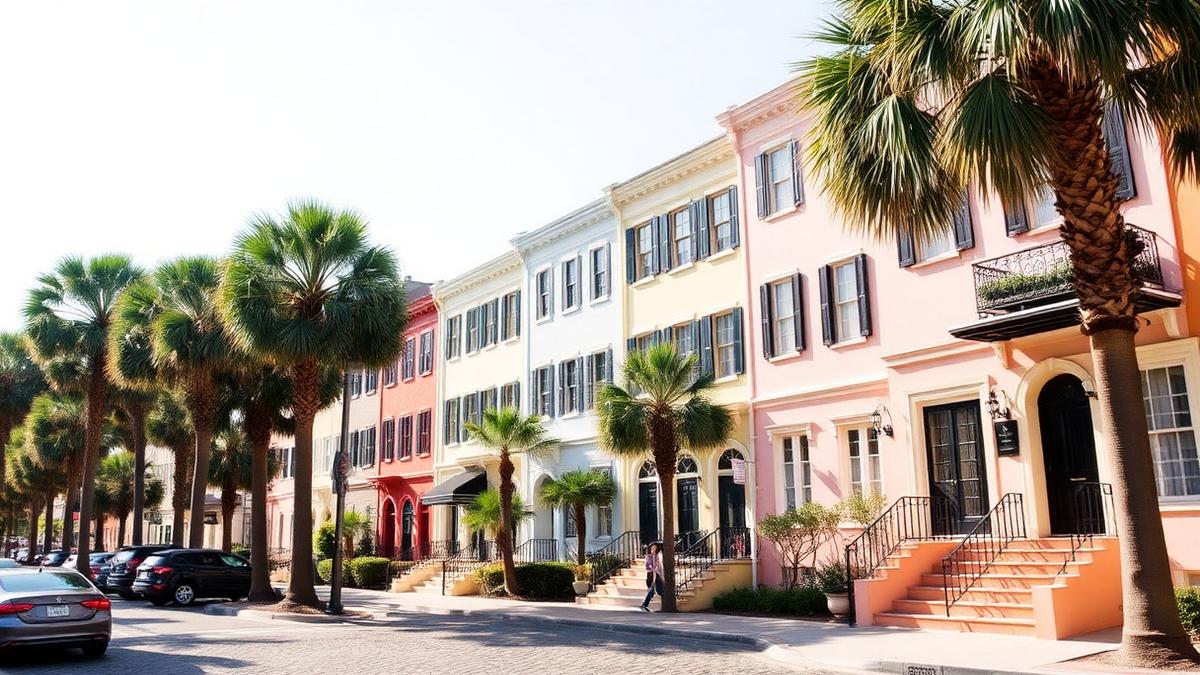
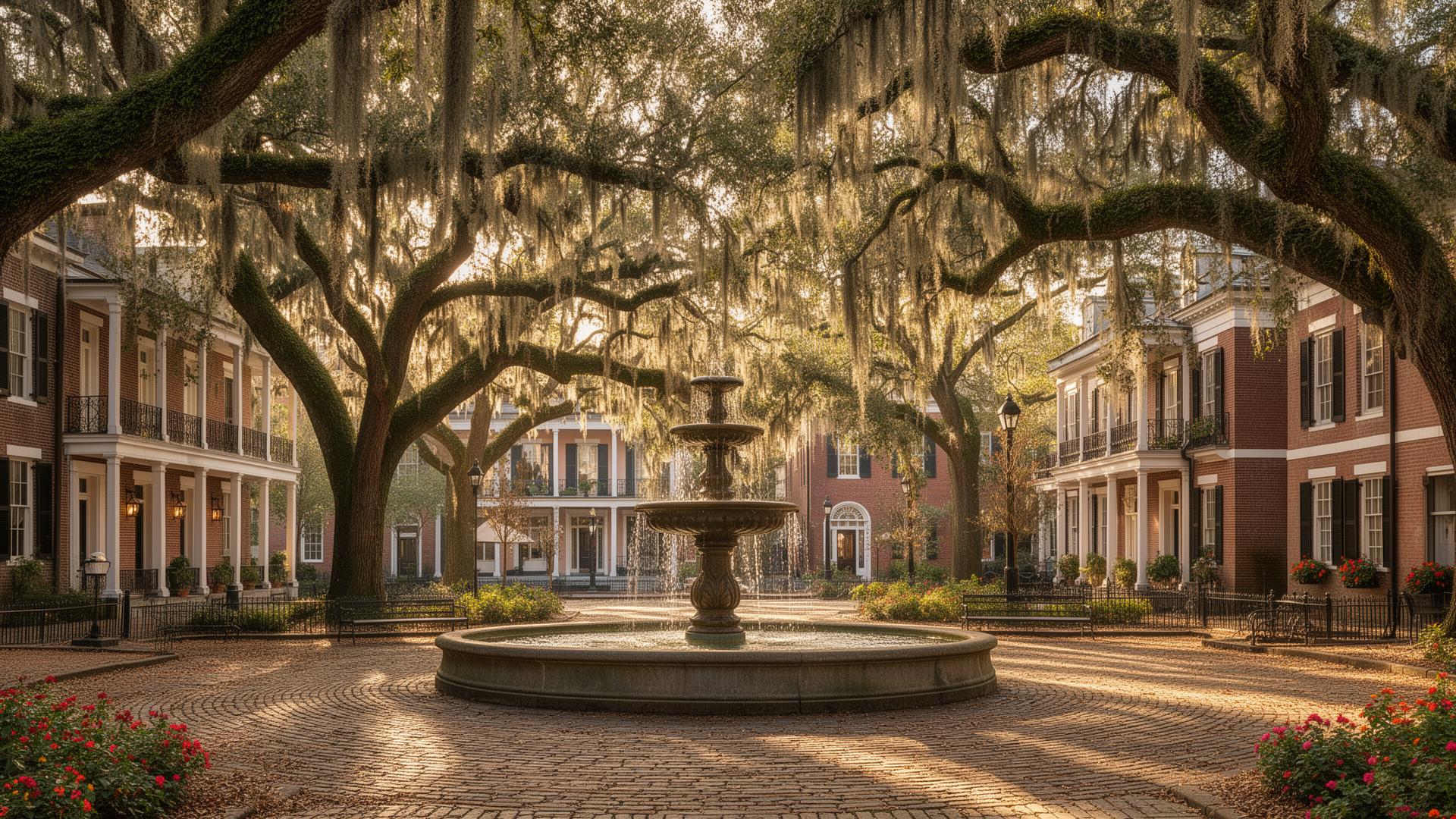
Imagine air thick with salt and the sweet scent of jasmine, cobblestone streets whispering tales of centuries past, and the faint, tantalizing aroma of something delicious simmering just out of sight. This is Charleston, a city where history isn't just preserved; it's savored, especially at the dining table. While its iconic shrimp and grits hold a cherished place, to truly understand the soul of this Lowcountry jewel, you must delve deeper into its profound culinary tapestry.
Lowcountry cooking is one of America's great regional cuisines — here's where to taste it right.
The Roots of Lowcountry Flavor: A Culinary Crucible
To appreciate Charleston's cuisine, one must first understand its origins, a remarkable fusion born from necessity, ingenuity, and a global exchange of goods and cultures. The region's fertile soil, abundant waterways, and access to international trade routes through the port of Charleston created a unique culinary crucible. West African influences, brought by enslaved peoples, are undeniably foundational, introducing ingredients like okra, benne (sesame), and black-eyed peas, and shaping techniques like slow braising and the art of seasoning.
European settlers, particularly the English and French Huguenots, contributed their own traditions, from sophisticated sauces and pastry techniques to the love of rich, dairy-based dishes. Indigenous American knowledge rounded out this intricate blend, teaching settlers how to utilize local flora and fauna. This historical layering has resulted in a cuisine that is both refined and earthy, elegant and deeply comforting, utilizing a bounty of fresh, local ingredients from land and sea.
The very geography of the Lowcountry – its tidal creeks, estuaries, and barrier islands – dictated the diet for centuries. Rice, specifically Carolina Gold, was king, impacting not just the economy but the patterns of life and the shape of countless dishes. Seafood, naturally, was paramount, with crabs, oysters, fish, and, of course, shrimp caught fresh daily. This intimate connection between the land, the water, and the diverse peoples who settled here forged a culinary identity unlike any other in the United States.
Beyond the Grits: Exploring Iconic Staples
While shrimp and grits rightly receives its accolades, it's just one chapter in Charleston's culinary story. Venture forth and discover other pillars of Lowcountry gastronomy. Take, for instance, She-Crab Soup, a rich, creamy bisque teeming with delicate blue crab meat and a touch of roe, often finished with a splash of sherry. Its origins are debated, but its prevalence and perfection in Charleston are undeniable. The soup's luxurious texture and distinct flavor profile epitomize the region's ability to elevate simple seafood into something extraordinary. Historically, it was a celebratory dish, often gracing the tables of grand plantation homes.
Then there's Hoppin' John, a seemingly humble dish of Carolina Gold rice and black-eyed peas, often flavored with ham hock or bacon. Far from plain, it's a dish steeped in tradition, especially for New Year's Day, symbolizing good luck and prosperity. But its presence year-round speaks to its role as a fundamental, nourishing staple. Another must-try is a true Lowcountry Boil (sometimes called Frogmore Stew or Beaufort Stew), a communal feast of shrimp, sausage, corn on the cob, and small potatoes, all boiled together with ample seasoning. It captures the essence of casual, flavorful Southern hospitality.
Don't overlook the simple elegance of fried green tomatoes, often served with a piquant remoulade, or the smoky, soulful depth of collard greens, slow-cooked with ham or bacon until meltingly tender. These dishes, along with others such as oysters Rockefeller and benne wafers, tell a story of resourcefulness, flavor development, and the enduring connection to local produce and traditional methods. Each bite is a piece of living history.
Where History Meets the Plate: Dining Experiences
Charleston offers a remarkable range of dining experiences, from historic institutions to innovative modern kitchens, each offering a distinct take on Lowcountry cuisine. For an authentic taste of tradition, make reservations at Husk, helmed by Chef John & Ben Norton. While it may have gained international acclaim, its core philosophy remains rooted in celebrating Southern ingredients. They often feature heritage grains, local produce, and ethically sourced meats, transforming them into dishes that are both comforting and unexpectedly refined. The menu changes daily based on what’s freshest, ensuring you experience the true seasonality of the region. Be sure to explore their bourbon selection; it’s unparalleled.
Another essential stop is Poogan's Porch, established in 1976 in a charming Victorian house. This iconic restaurant offers classic Lowcountry fare in a quintessential Southern setting. Their buttermilk fried chicken, shrimp & grits, and biscuits with cane syrup are benchmarks against which others are measured. The atmosphere, steeped in local lore (it's named after a beloved neighborhood dog), adds an extra layer of charm to an already delightful meal.
For a more contemporary take, consider FIG (Food Is Good). While not exclusively Lowcountry, Chef Mike Lata and Jason Stanhope masterfully apply a farm-to-table ethos to local ingredients, often with a subtle nod to regional flavors. Their focus on simple, impeccably sourced ingredients and expert technique elevates every dish. Reservations here are notoriously difficult to secure, a testament to their consistent excellence, so plan well in advance. Each of these establishments, in its own way, respects and reinvents the culinary heritage of the Lowcountry, providing unforgettable dining experiences that are both delicious and deeply meaningful.
Culinary Explorations: Market Finds and Local Gems
To truly immerse yourself in Charleston's food scene, you must venture beyond the white tablecloths. The historic Charleston City Market, though now primarily craft-focused, remains a vital hub to sense the historical commercial heartbeat of the city. For a more direct connection to local produce, visit the Charleston Farmers Market at Marion Square (seasonal, typically April to November). Here, you can meet the farmers, sample fresh produce, and discover artisanal products like local honey, stone-ground grits, and handcrafted preserves. This is where the ingredients that define Lowcountry cuisine come alive, connecting you directly to the source.
Explore smaller, local eateries and delis for a more casual, yet equally authentic, experience. Places like Bertha's Kitchen (a James Beard American Classics award winner) offer soul food and Lowcountry dishes in a no-frills setting, providing a genuine taste of home cooking. Their fried whiting, okra soup, and lima beans are legendary and attract locals and savvy visitors alike. This is where you encounter food crafted with generations of knowledge and love.
And don't forget the oyster roasts that are a cherished Lowcountry tradition, especially during cooler months (typically September to April). Look for local announcements or inquire at your accommodation about public or community roasts. There's nothing quite like gathering around steaming tables, shucking fresh local oysters, and savoring them with a dash of hot sauce and good company. It's a communal, unpretentious, and utterly delicious experience that connects you to the very heart of coastal living.
Sweet Endings: Desserts and Drinks
No Southern meal is complete without a sweet finish, and Charleston does not disappoint. Coconut cake is a regional favorite, often towering with layers of moist sponge cake, rich coconut cream, and shredded coconut. Peninsula Grill's Ultimate Coconut Cake has achieved legendary status, a truly decadent experience that is worth the splurge. Another classic is pecan pie, where the sweetness of the filling is perfectly balanced by the earthy crunch of pecans. Look for variations that incorporate local ingredients, perhaps a touch of bourbon.
Sweet tea, of course, is a non-negotiable beverage. It's more than just an iced tea; it's a cultural staple, often brewed strong and sweetened generously. You'll find it ubiquitous, from fine dining establishments to casual diners. For something more adult, explore the burgeoning craft cocktail scene that references local flavors, or seek out a good local brewery – Charleston's craft beer scene has blossomed, with many breweries incorporating local ingredients, some even offering tours and tastings.
Benne Wafers, thin and delicate cookies made with toasted sesame seeds, are another distinctive Lowcountry treat, tracing their roots back to West African culinary traditions. They offer a delightful nutty crunch and a subtle sweetness, making them a perfect, historically rich souvenir or a light dessert. These small, flavorful details reinforce the intricate tapestry of Charleston's culinary identity, where every bite and sip tells a story of historical exchange and enduring tradition.
A Culinary Journey: Tips for the Thoughtful Traveler
As you embark on your culinary exploration of Charleston, remember to make reservations, especially for popular dinner spots, well in advance. Many restaurants, particularly those with a focus on fresh, local ingredients, operate on a seasonal menu basis, so be flexible and open to new discoveries. Don't hesitate to ask your server about the provenance of ingredients. Charlestonians are proud of their local bounty and are often eager to share the stories behind their food.
Embrace the pace of Southern dining. Meals here are often meant to be savored, not rushed. Take your time, enjoy the conversation, and allow yourself to be immersed in the atmosphere. Beyond the specific dishes, pay attention to the hospitality; it's an integral part of the dining experience. A polite 'yes ma'am' or 'yes sir' goes a long way and is deeply appreciated.
Consider taking a walking food tour early in your visit. These tours often provide historical context, introduce you to hidden gems, and allow you to sample a variety of dishes and drinks, setting a wonderful foundation for further exploration. Many local guides are passionate food historians who can offer insights you might not find elsewhere. This hands-on approach will deepen your understanding and appreciation of Charleston's unique and delicious culinary landscape.
Finally, be adventurous! While the classics are essential, Charleston's chefs are constantly innovating while respecting tradition. Don't be afraid to try something you've never heard of before. Lowcountry cuisine is a living, evolving entity, and discovering its nuances is part of the joy of visiting this magnificent city. Let your palate lead you on an unforgettable journey through history and flavor.
Final Word
Charleston's culinary scene is a vibrant testament to its layered history, a delectable narrative told through flavors, textures, and aromas forged over centuries. It's more than just food; it’s an experience that engages all your senses, connecting you to the very soul of the South. So come, pull up a chair, and prepare to discover a world of taste that extends far beyond the familiar, inviting you to truly eat your way through history in this enchanting Lowcountry haven.
Frequently Asked Questions
What are the essential ingredients of Lowcountry cuisine?+
Lowcountry cuisine relies on fresh, local ingredients like Carolina Gold rice, shrimp, oysters, crab, grits, collard greens, and okra. These staples reflect the region's agricultural and coastal bounty, often prepared with Gullah-Geechee techniques.
Where can I find authentic Gullah-Geechee food in Charleston?+
For authentic Gullah-Geechee flavors, look for restaurants celebrating this heritage, often featuring dishes like seafood boils, red rice, and she-crab soup. The Gullah-Geechee Cultural Heritage Corridor website offers resources and dining suggestions.
What are some historical dishes to try in Charleston, beyond shrimp and grits?+
Beyond shrimp and grits, explore historical dishes such as okra soup, she-crab soup, perloo (or pilau), and hopping John. These dishes have deep roots in the Lowcountry's culinary traditions.
Are there any food tours focusing on Charleston's unique culinary history?+
Yes, several food tours in Charleston focus on its rich culinary history, often including stops at historical markets, restaurants, and Gullah-Geechee cultural sites. Check with the Charleston Visitor Center for recommended tour operators.
What is the best way to experience Charleston's local food markets?+
The best way to experience Charleston's local food markets is to visit early in the morning for the freshest produce, seafood, and artisanal goods. The Charleston City Market and Marion Square Farmers Market are popular choices.
Sources & Further Reading
Spotted an error? See our corrections policy. Curious about our research? Read our editorial policy and sources.