All ArticlesHistory

    The History Behind Boston's Freedom Trail

    W
    Whitebeavers Editorial Team
    Oct 02, 2025 · 7 min

    Reviewed against our editorial policy and sources.

    The History Behind Boston's Freedom Trail

    Walk the 2.5-mile path that sparked the American Revolution and changed the world forever.

    From our reporting

    I recently walked the Freedom Trail in 2024, experiencing the cobblestone streets and imagining the revolutionary fervor that once filled the air.

    Key Takeaways

    • The Freedom Trail is a 2.5-mile path through Boston, connecting 16 historically significant sites related to the American Revolution.
    • Key sites include the Massachusetts State House, Old North Church, Paul Revere House, and Bunker Hill Monument.
    • The trail is walkable and can be explored independently or with guided tours.
    • Many sites offer free admission, while others like the Paul Revere House have a small entrance fee.
    • The Freedom Trail Foundation provides maps, information, and guided tours to enhance the experience.

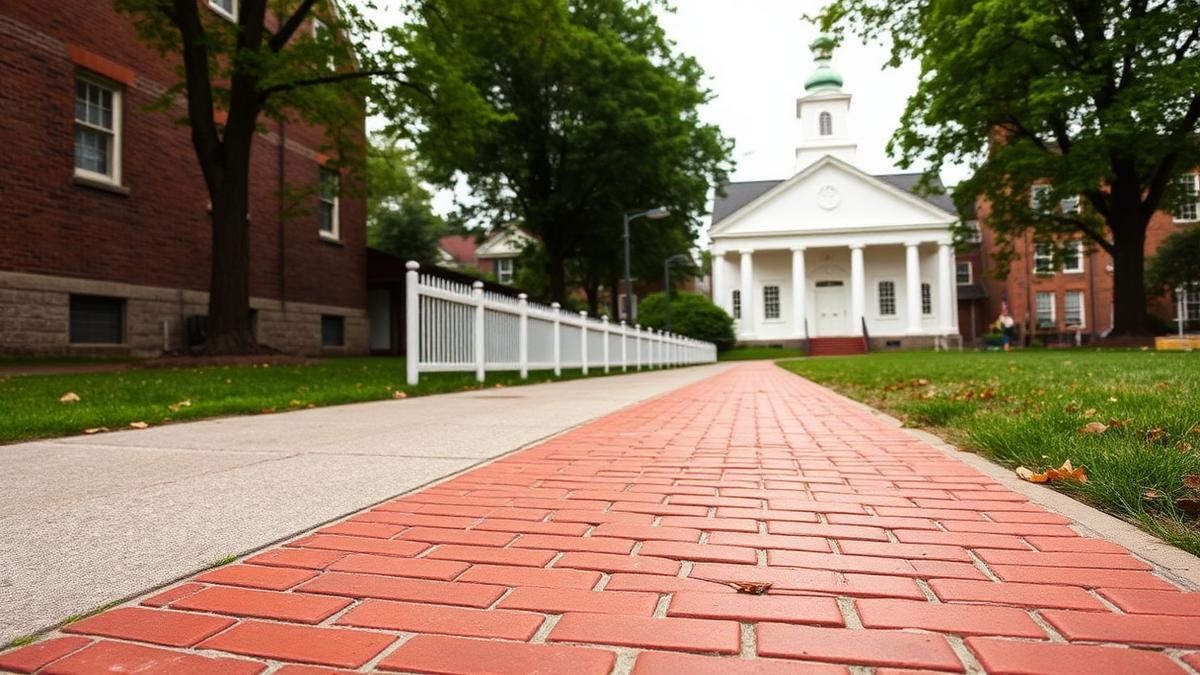
    Imagine stepping back in time, feeling the cobblestones beneath your feet that once bore witness to the birth of a nation. Picture the crisp autumn air carrying the whispers of rebellion, the echoes of impassioned speeches, and the determined footsteps of those who dared to dream of liberty. This is the immersive journey awaiting you on Boston's Freedom Trail, a 2.5-mile ribbon of red brick guiding you through the very crucible of American independence.

    As a discerning traveler with a penchant for profound historical experiences, you are invited to embark on an unparalleled exploration. This isn't merely a walk; it's a pilgrimage to the heart of American democracy, a chance to connect viscerally with the monumental events and extraordinary individuals who shaped the destiny of a continent. Each stop along this iconic path unfurls a chapter in the compelling narrative of courage, conviction, and revolution.

    Starting Your Journey: Boston Common and the State House

    Your adventure begins in the sprawling expanse of Boston Common, America's oldest park. Established in 1634, this verdant oasis has served countless purposes, from a pasture for livestock to a training ground for colonial militia. As you gaze across its well-maintained lawns, contemplate the throngs of citizens who gathered here, debating injustices, galvanizing sentiment, and ultimately, choosing to defy an empire.

    From the Common, your gaze will naturally be drawn to the magnificent Massachusetts State House, its iconic golden dome shimmering against the Boston sky. Though largely rebuilt in 1798 after the Revolution, this site represents the ongoing spirit of self-governance. It stands as a testament to the enduring legacy of men like Samuel Adams and James Otis, whose fiery rhetoric and intellectual prowess ignited the flames of liberty that would soon envelop the colonies.

    The Granary Burying Ground: A Hallowed Resting Place

    A short stroll brings you to the Granary Burying Ground, a poignant and humbling stop. Established in 1660, this historic cemetery is the final resting place for an extraordinary constellation of American heroes. Here, you'll find the graves of three signers of the Declaration of Independence: Samuel Adams, John Hancock, and Robert Treat Paine. Their commitment to freedom cost them dearly, and seeing their simple markers brings a tangible sense of their sacrifice.

    Beyond the signers, you'll discover the resting place of Paul Revere, whose midnight ride became an enduring symbol of colonial defiance. Look also for the graves of Crispus Attucks, the first casualty of the Boston Massacre, and the parents of Benjamin Franklin, honoring the roots of one of America’s most brilliant polymaths. The sheer concentration of pivotal figures in one small space is a powerful reminder of the interconnectedness of their struggle.

    Kings Chapel and Kings Chapel Burying Ground: Faith and Freedom

    Adjacent to the Granary is Kings Chapel, an exquisite example of Georgian architecture completed in 1754. Originally an Anglican church, its very existence was a symbol of British authority in a predominantly Puritan city. Imagine the tension as British officials and loyalists worshipped here, while just outside, the seeds of revolution were sprouting.

    The adjoining Kings Chapel Burying Ground, Boston's oldest cemetery, established in 1630, offers another glimpse into colonial life and death. While less crowded with revolutionary heroes than the Granary, it holds its own significance, housing the graves of Massachusetts' first governor, John Winthrop, and the notorious Mary Chilton, who is believed to be the first European woman to step ashore at Plymouth in 1620. Its quiet solemnity provides a moment for reflection on the deeper currents of history.

    The Old Corner Bookstore and Old South Meeting House: Hubs of Dissent

    Continue your journey to the Old Corner Bookstore, a charming brick building dating back to 1718. In the 19th century, it became a vibrant center for American literature, publishing works by Emerson, Thoreau, and Longfellow. However, its revolutionary significance lies in its earlier role; during the colonial era, this building and its surrounding area were bustling with printers and publishers, disseminating pamphlets and broadsides that fueled the intellectual fires of dissent. Imagine the heated discussions, the clandestine meetings, the powerful words being printed and distributed.

    Just steps away stands the Old South Meeting House, where history truly came alive. Constructed in 1729, this was no ordinary church; it was a potent symbol of civic engagement and a hotbed of revolutionary fervor. On December 16, 1773, over 5,000 colonists, too many to fit inside, spilled out onto the streets as impassioned speeches against British tea taxes rang out from within. This pivotal gathering directly preceded the Boston Tea Party, underscoring the vital role of grassroots organizing and public debate in sparking revolution.

    The Old State House: The Seat of Power and Protest

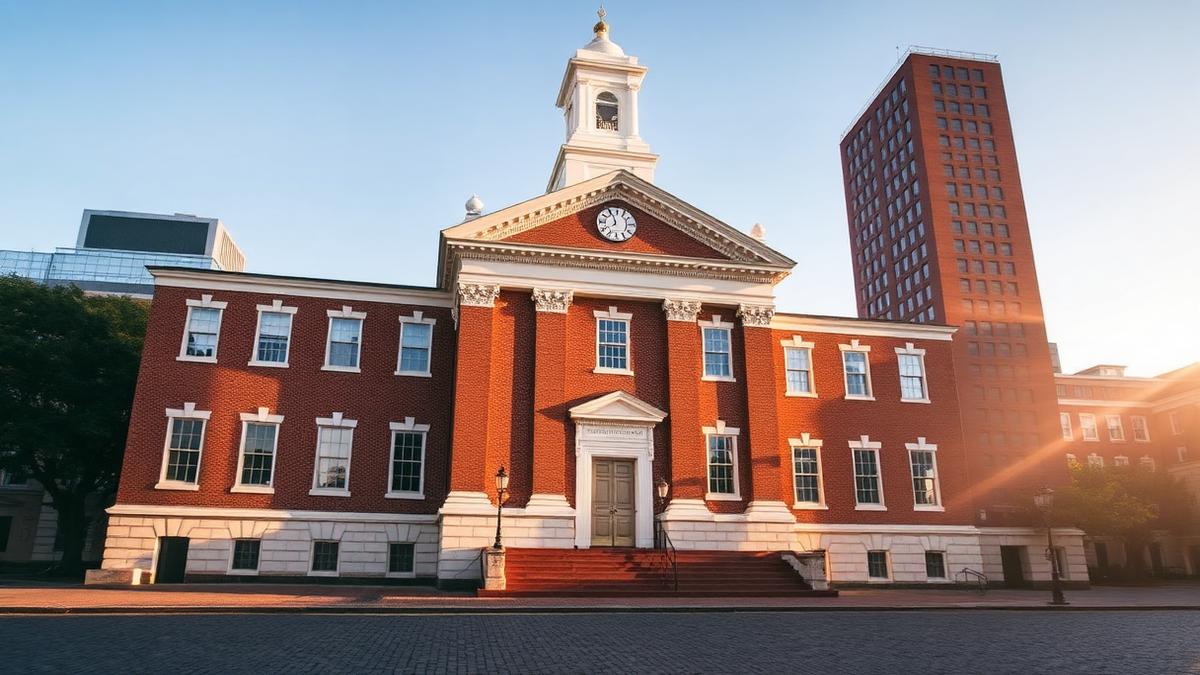
    Further along the trail, you'll encounter the Old State House, Boston's oldest public building, completed in 1713. This elegant brick structure served as the seat of British colonial government in Massachusetts. From its balcony, royal proclamations were read, and British governors attempted to assert their dwindling authority. Crucially, it was on March 5, 1770, directly in front of this building, that the infamous Boston Massacre occurred.

    Stand on the spot marked by a circular cobblestone memorial and envision the tension: angry colonists confronting British soldiers, words escalating into violence, five patriots falling dead. The memory of the Boston Massacre, expertly propagandized by figures like Paul Revere and Samuel Adams, became a rallying cry throughout the colonies, serving as a stark reminder of British oppression and galvanizing support for independence. The Old State House today houses a museum, allowing you to delve deeper into these crucial moments.

    Faneuil Hall: The Cradle of Liberty

    A short walk brings you to Faneuil Hall, often hailed as the "Cradle of Liberty." Built in 1742 by merchant Peter Faneuil, it served as a marketplace and a public meeting hall. But its true legacy lies in its unparalleled role as a forum for revolutionary rhetoric. Imagine the impassioned voices of Samuel Adams, James Otis, and other Sons of Liberty echoing through its halls, debating British policies, denouncing tyranny, and inspiring their fellow citizens to action.

    Even today, Faneuil Hall continues to be a place of public discourse, hosting town hall meetings and political assemblies. As you walk through its historic doors and ascend to the assembly room, you'll feel the palpable weight of history, the vibrant energy of a people finding their voice. Below, the bustling Faneuil Hall Marketplace, Quincy Market, offers a delightful contrast – a modern-day echo of the mercantile activity that has defined this area for centuries.

    Paul Revere House and the Old North Church: Symbols of Alert

    Crossing into the North End, Boston's oldest residential neighborhood, you'll arrive at the Paul Revere House, the oldest house in downtown Boston, dating to 1680. Stepping inside this remarkably preserved colonial home offers a rare glimpse into the daily life of a silversmith and patriot. It was from this very house that Revere departed on the night of April 18, 1775, embarking on his legendary ride to warn Lexington and Concord that "the British are coming!"

    Further uphill stands the iconic Old North Church, built in 1723, a beacon in the North End skyline. It was from its steeple that the famous signal lanterns – "one if by land, and two if by sea" – were hung on that same fateful night of April 18, 1775, indicating the British army's chosen route to Lexington and Concord. This simple act of foresight and courage ignited the Revolutionary War. Stand before the church and let the story of those two lanterns resonate through you, reminding you of the power of communication and timely warning in the face of impending conflict.

    USS Constitution and Bunker Hill: The Final Chapters

    Your Freedom Trail journey culminates in Charlestown, across the Charlestown Bridge. Here, you'll encounter the USS Constitution, "Old Ironsides," the oldest commissioned warship afloat in the world. Launched in 1797, this majestic frigate became a symbol of American naval power, particularly during the War of 1812. Boarding the ship, you can explore its decks, learn about its incredible history, and appreciate the craftsmanship that allowed it to withstand countless battles.

    Finally, ascend to the Bunker Hill Monument, a towering obelisk commemorating the Battle of Bunker Hill, fought on June 17, 1775. Though a tactical defeat for the colonial militia, the battle proved that the untrained American forces could stand their ground against the mighty British army. The monument offers panoramic views of Boston and the harbor, allowing you to survey the landscape that witnessed so much history. Stand here, reflecting on the profound journey you've made, tracing the very footsteps of liberty.

    A Journey Etched in Memory

    Walking the Freedom Trail is more than just sightseeing; it is an intimate conversation with America's past. It is an opportunity to touch the stones, see the spaces, and feel the spirit of a revolution that forever altered the course of human history. Each site offers a unique perspective, a different piece of the puzzle, building a rich tapestry of understanding.

    As you complete your journey, you'll carry with you not just photographs, but a deeper appreciation for the courage, sacrifice, and visionary ideals that birthed this nation. The cobblestones, the brick path, the historic buildings – they all whisper tales of extraordinary resolve. This immersive historical experience, offered by Whitebeavers, is an invitation for you to not just observe history, but to truly feel it, allowing the enduring legacy of freedom to resonate within your own heart.

    Frequently Asked Questions

    How long does it take to walk the Freedom Trail in Boston?+

    Walking the entire 2.5-mile Freedom Trail typically takes around 3-4 hours, depending on your pace and the time spent at each of the 16 historical sites. With guided tours, it may take longer.

    What is the starting point of the Freedom Trail?+

    The Freedom Trail officially begins at the Boston Common, the oldest park in the United States, located at 139 Tremont St, Boston, MA 02111. Look for the red brick path.

    Do you have to pay to walk the Freedom Trail?+

    Walking the Freedom Trail itself is free as it's a public path. However, some historical sites along the trail, such as the Paul Revere House, charge a small admission fee (around $6 for adults).

    Is the Freedom Trail suitable for children?+

    Yes, the Freedom Trail is generally suitable for children, with many interactive opportunities and historical re-enactments. Shorter sections or guided tours designed for families are recommended.

    Sources & Further Reading

    Spotted an error? See our corrections policy. Curious about our research? Read our editorial policy and sources.