All ArticlesTravel Tips

    The Best Time of Year to Visit America's Historic Cities

    W
    Whitebeavers Editorial Team
    Dec 27, 2025 · 10 min

    Reviewed against our editorial policy and sources.

    The Best Time of Year to Visit America's Historic Cities

    Weather, crowds, prices, and special events — a season-by-season breakdown for ten major destinations.

    From our reporting

    I recently braved the summer crowds myself to confirm that shoulder seasons truly offer the most pleasant experiences in America's historic cities.

    Key Takeaways

    • Spring (April-May) and Fall (September-October) generally offer the best balance of pleasant weather, fewer crowds, and moderate prices across most historic US cities.
    • Summer (June-August) brings peak crowds and higher prices due to school holidays, though it offers a vibrant atmosphere and numerous outdoor events.
    • Winter (November-March) can mean fewer tourists and lower costs, but also colder weather and limited operating hours for some attractions, especially in northern cities.
    • Consider specific events or festivals when planning, as these can significantly impact crowd levels and accommodation availability, even during off-peak seasons.
    • Flexibility with travel dates and booking in advance are key to securing better deals and avoiding disappointment, regardless of the chosen season.

    Imagine standing on cobblestone streets where revolutionaries once trod, or gazing up at architectural marvels that have witnessed centuries of change. America's historic cities beckon with stories etched into every brick and alleyway, offering a profound journey through the nation's past. But to truly unlock their magic, to walk in the footsteps of history without being swept away by crowds or battling Mother Nature, timing is everything.

    Choosing the perfect moment for your historical odyssey can transform a simple trip into an unforgettable immersion. From the crisp air of autumn in New England to the gentle warmth of a Southern spring, each season paints these iconic destinations in a unique light. We've meticulously charted the seasonal currents of ten essential American historic cities, guiding you to that sweet spot where weather, crowds, and special events converge to create your ideal exploration.

    Spring's Gentle Awakening: April to May

    Spring in America's historic cities is a symphony of rebirth, offering a delightful equilibrium before the summer surge. The air is mild and fresh, trees burst into bloom, and the energy of new beginnings permeates everything. This is arguably the most universally appealing time to explore, particularly for those sensitive to extreme temperatures, making it ideal for extensive walking tours and outdoor contemplation.

    In Washington D.C., the cherry blossoms around the Tidal Basin, usually peaking in late March to early April, offer a breathtaking, albeit popular, spectacle. Beyond this iconic floral display, spring provides the perfect climate to wander the National Mall, visit the Smithsonian museums, and explore Georgetown's historic streets without the swelter of summer. Colonial Williamsburg, Virginia, also shines in spring. The costumed interpreters are in full swing, the gardens of the Governor's Palace are vibrant, and the comfortable temperatures make it a joy to traverse the expansive historic area on foot or by carriage, truly stepping back into the 18th century.

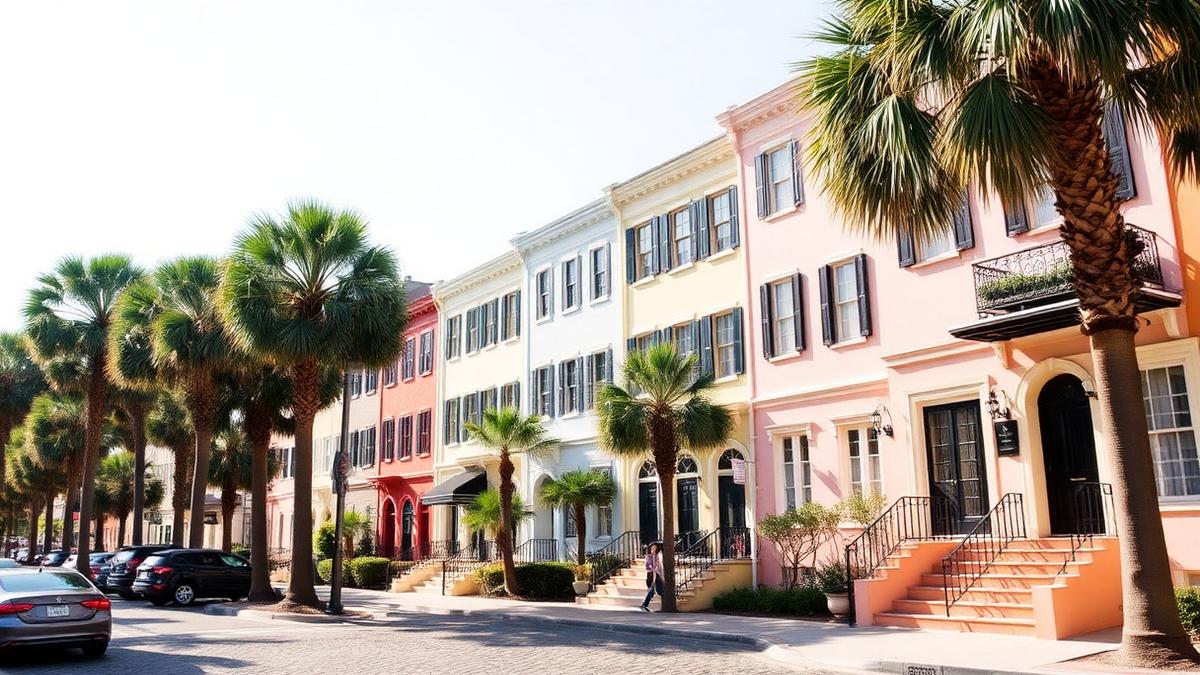
    Further north, Boston begins to thaw and shed its winter coat. The Freedom Trail is wonderfully walkable, and you'll find fewer crowds vying for space at Faneuil Hall, Paul Revere’s House, or the Old North Church than later in the year. Although evenings can still be cool, the days are bright and inviting, perfect for exploring the literary history of Beacon Hill or taking a harbor cruise. Charleston, South Carolina, is another prime spring destination. Its famed azaleas and camellias are in full, glorious bloom in its historic gardens and antebellum mansions. The Spoleto Festival USA, an acclaimed performing arts festival, often kicks off in late May, adding a cultural layer to the city's already rich historical tapestry.

    Summer's Vibrant Pulse: June to August

    Summer brings warmth, longer days, and a decidedly festive atmosphere to many historic cities, along with the undeniable influx of family travelers. While some destinations can be hot and humid, especially in the South, the season also offers a plethora of outdoor events, festivals, and activities that truly bring history to life under the sun. It's a time of vibrant energy, perfect for those who thrive amidst bustling activity and don't mind sharing the experience with more fellow travelers.

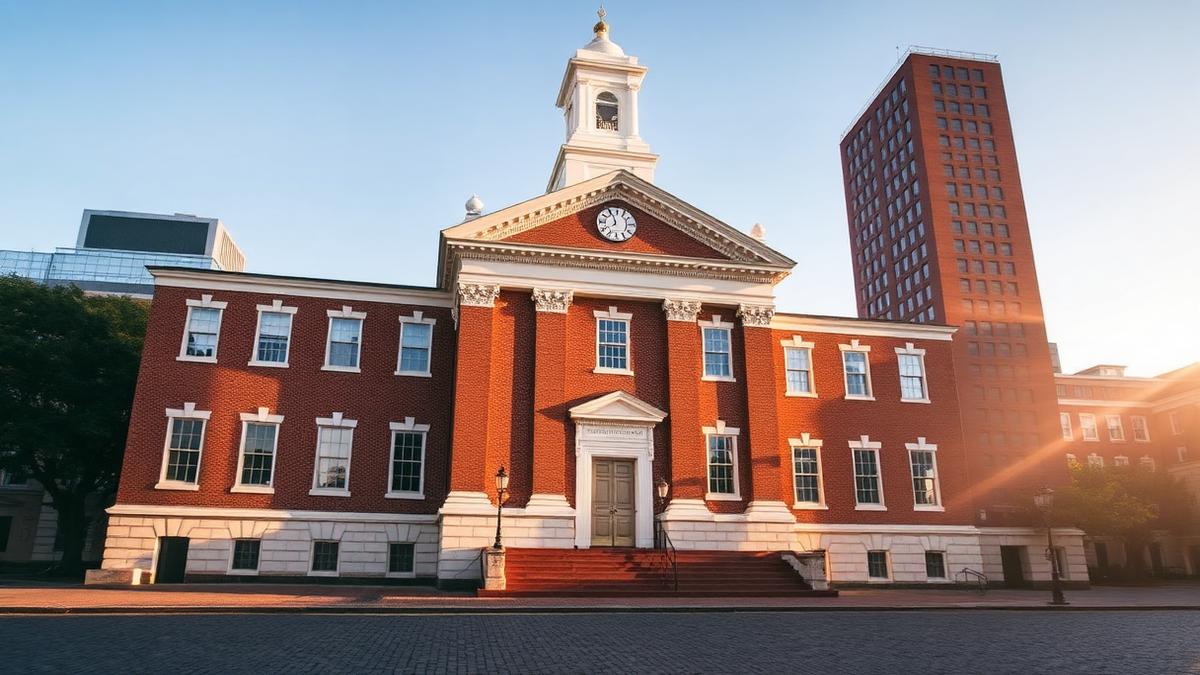
    Philadelphia, with its iconic Independence Hall and Liberty Bell, buzzes with patriotic pride during the summer, particularly around July 4th. The historic district is alive with street performers, special programming, and extended hours for many attractions. Embrace the historical significance, but be prepared for warmth and consider early morning visits to popular sites to beat the crowds and heat. New York City, particularly sites like Ellis Island and the Statue of Liberty, is also at its peak visitor numbers. While the heat in the concrete jungle can be intense, the sheer number of outdoor events, open-air markets, and rooftop views makes it an exhilarating time, offering a different kind of urban historical exploration.

    Upstate New York's Hudson Valley and Saratoga Springs offer a different summer experience. Saratoga's Victorian architecture and famed Saratoga Race Course come alive in July and August, offering a blend of Gilded Age charm and thoroughbred excitement. While not a "city" in the traditional sense, the area’s Revolutionary War battlefields (like Saratoga National Historical Park) and presidential homes (like FDR's Hyde Park) are beautifully accessible, with lush landscapes and comfortable conditions for outdoor exploration, providing a serene counterpoint to the bustling metropolises.

    For a coastal escape with historical depth, consider Portland, Maine. Its maritime history, lighthouses, and charming Old Port district are ideal for summer exploration. The mild coastal breezes offer a reprieve from inland heat, and the city thrives with fresh seafood, boat tours, and easy access to historical forts and islands along the rugged New England coastline.

    Autumn's Golden Glow: September to November

    Autumn is, for many, the quintessential season for exploring America's historic cities. The air turns crisp, the humidity recedes, and the landscape erupts in a stunning palette of reds, oranges, and golds, particularly in the Northeast. This period often strikes the perfect balance: pleasant weather conducive to walking, diminishing summer crowds, and a rich calendar of fall festivals and events. It’s a photographer’s dream and a history lover’s paradise.

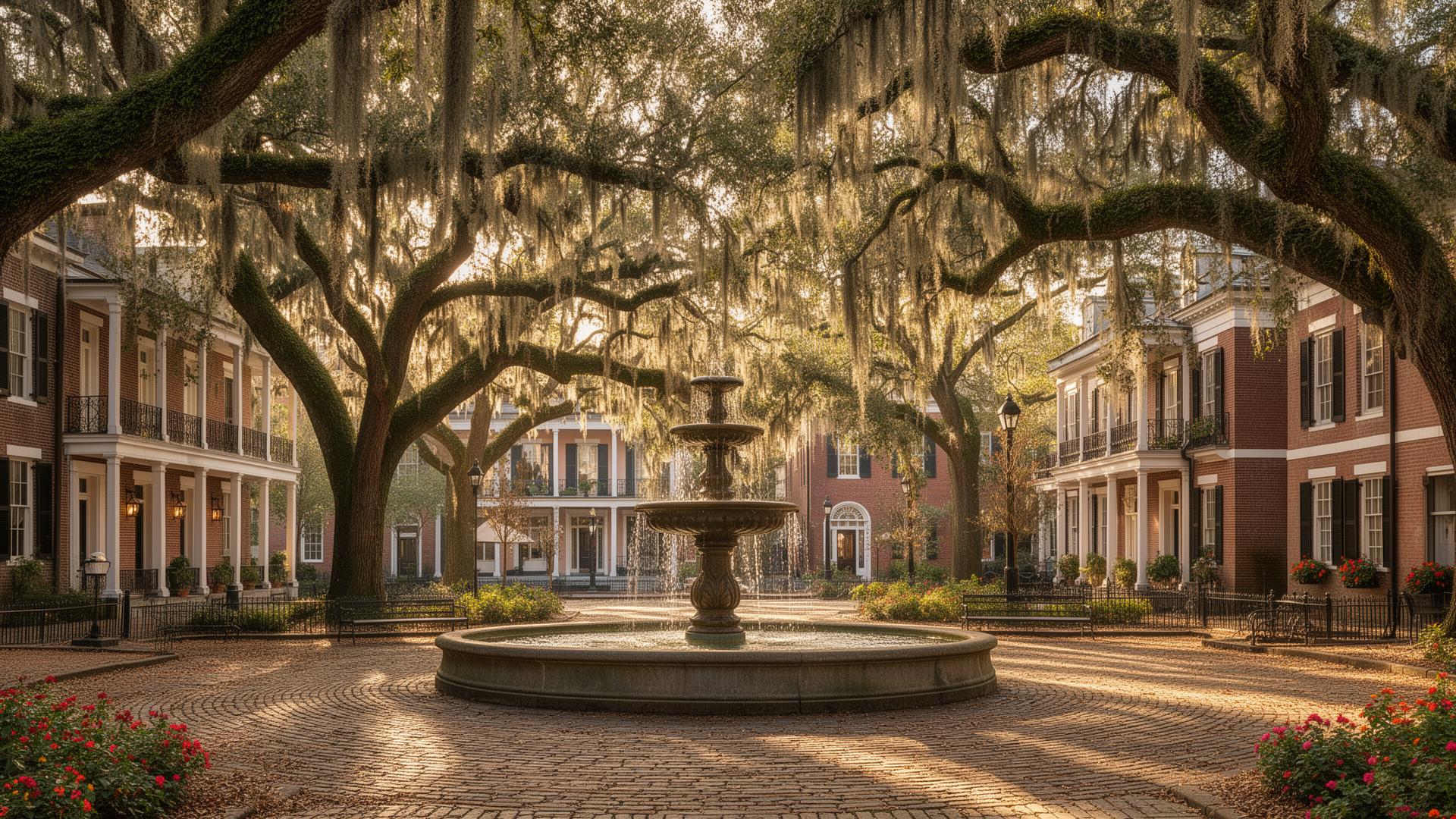
    New England, naturally, is incomparable. Boston in the fall is simply magical. Imagine strolling the leafy paths of the Boston Common or the meticulously preserved streets of Louisburg Square, surrounded by historic brownstones and vibrant foliage. The Freedom Trail takes on a new charm against this backdrop, and the opportunities for day trips to Salem, Massachusetts, with its infamous Witch Trials history, are abundant and seasonally appropriate. The crowds for foliage viewing can be significant, especially on weekends in October, but generally, popular sites are more manageable than in summer.

    Similarly, Philadelphia experiences a delightful autumn. The trees in Fairmount Park turn brilliant shades, and the atmosphere in historic Old City is less frenetic. Beyond the iconic historical sites, autumn is a wonderful time to explore the city’s many historic neighborhoods on foot, from Society Hill to Chestnut Hill, appreciating the architecture and vibrant local culture. Even Charleston, South Carolina, while not known for dramatic fall foliage, benefits from the comfortable temperatures and lower humidity, making its historic carriage rides and garden tours far more enjoyable than in the peak summer months.

    Winter's Quiet Charm: December to March

    Winter descends upon America's historic cities with a unique quietude, a time when the bustling summer crowds have dissipated and a sense of introspective calm often prevails. While sub-freezing temperatures and snow are a reality in many northern cities, this season offers an intimate, often cheaper, and undeniably atmospheric experience for the intrepid traveler. Picture gas lamps glowing on ancient streets dusted with snow, or the warmth of a historic tavern after a brisk walk.

    In New York City, the holiday season (December) is undeniably festive, with decorations, ice skating at Rockefeller Center, and window displays that are historic in their own right, although crowds remain high. However, late January and February offer profound quiet. Imagine the Statue of Liberty or Ellis Island in the crisp, cold air, with fewer visitors. Museums are wonderfully warm havens, and catching a Broadway show in the off-season can be easier and more affordable. Similarly, Philadelphia transforms into a cozy urban retreat. The historic sites might have reduced hours, but the chance to see Independence Hall framed by snow, or to duck into a cozy historic pub like City Tavern, is a unique pleasure. The Revolutionary War sites like Valley Forge are particularly evocative under a blanket of snow.

    Washington D.C. can also be particularly striking in winter, especially if there's a light snowfall. The monuments, stripped of their summer foliage and crowds, stand stark and majestic. While outdoor activities are limited by temperature, the city's unparalleled collection of free museums offers endless indoor exploration. The quiet contemplation available at Arlington National Cemetery or the Lincoln Memorial during a winter afternoon is a profound experience. Even in Charleston, South Carolina, winter brings mild temperatures, often in the high 50s and low 60s, making it a very pleasant escape from harsher northern winters. You'll find fewer tourists, excellent restaurant availability, and the opportunity to explore its historic streets and mansions at a leisurely pace, perhaps even enjoying a sunny, albeit cooler, boat tour.

    Beyond the Seasons: Special Events and Shoulder Months

    While breaking down travel by season provides a great general framework, some of the most rewarding experiences in America's historic cities happen during the "shoulder months" – late spring (May) and early fall (September/early October) – or are tied to specific events that transcend the calendar. These times often offer the best of both worlds: good weather and reduced crowds compared to peak season.

    Consider the allure of specific festivals. Philadelphia's Philly Wine Week in spring or its Old City Fest in the fall, which celebrates art and history, can add a vibrant contemporary layer to your historical exploration. Boston's Head of the Charles Regatta in October brings a lively energy to the Charles River, a historic fixture in its own right. In Colonial Williamsburg, special interpretive programs throughout the year, like military encampments or holiday celebrations, can offer a more immersive historical experience regardless of the weather. Always check the official tourism websites of your chosen city for a calendar of events.

    For a truly unique historical experience, attending events like reenactments or historical conventions can be incredibly rewarding. For example, specific anniversaries of battles in places like Saratoga Springs or Gettysburg attract passionate historians and living history groups, offering unparalleled insight. While these might not align perfectly with "optimal weather," the depth of the historical engagement can far outweigh any minor climatic inconvenience. Planning around such niche interests can elevate a good trip into an extraordinary one.

    Navigating Crowds and Costs

    The impact of crowds and costs on your travel experience cannot be overstated. Generally, peak seasons – summer, and often the cherry blossom period in Washington D.C. or fall foliage in New England – coincide with higher prices for flights and accommodation, and longer lines at major attractions. Conversely, the deepest parts of winter (excluding the holiday rush) and the very early spring can offer significant savings and a more serene atmosphere.

    To mitigate crowds, consider weekdays over weekends, and early mornings or late afternoons for popular sites. Many museums in cities like D.C. or New York are vast enough to absorb crowds, but specific iconic exhibits can still draw lines. Booking tickets in advance online is almost always recommended, regardless of the season, as it not only saves time but can sometimes offer a slight discount. For popular tours, especially those with limited capacity (like specialized historical walking tours or mansion tours in Charleston), pre-booking is essential.

    Flexibility is your friend when it comes to cost. If your travel dates are malleable, using flight and hotel comparison tools with flexible date options can reveal significant savings, especially in the shoulder seasons. Remember that "historic" often also means "walkable." While exploring on foot is free, budgeting for local public transport (subways, trolleys, buses) in cities like Boston, Philadelphia, or D.C. can be a cost-effective way to cover more ground and delve into different historic neighborhoods beyond the main tourist arteries.

    Final Word

    America’s historic cities are living textbooks, vibrant tapestries woven with threads of courage, innovation, and unwavering spirit. Each visit offers a chance to connect with the echoes of the past, to understand the foundational stories that shaped our nation. By carefully considering the rhythm of the seasons, the ebb and flow of crowds, and the unique allure of special events, you can craft a historical journey that transcends mere sightseeing.

    Whether you seek the tranquil bloom of spring, the bustling energy of summer, the golden embrace of autumn, or the quiet contemplation of winter, there's a perfect moment awaiting you in these venerable places. So, choose your season, pack your curiosity, and prepare to walk through history, creating your own chapter amidst the stories of old. The past is calling – are you ready to answer?

    Frequently Asked Questions

    When is the least crowded time to visit historic sites in Washington D.C.?+

    The least crowded times to visit Washington D.C. are typically January and February, excluding holiday weekends. Expect colder weather but fewer lines at museums and monuments, with most indoor attractions maintaining regular hours.

    What's the ideal month to experience New Orleans without extreme heat or large festival crowds?+

    March, April, and October are generally ideal months for visiting New Orleans. The weather is pleasant, and while there can be events, you avoid the intense humidity of summer and the massive crowds of Mardi Gras in February.

    Are there specific dates to avoid when planning a trip to colonial Williamsburg for fewer crowds?+

    Avoid major holiday weekends (Memorial Day, July 4th, Labor Day, Thanksgiving, Christmas) and the peak summer months of July and August for fewer crowds at Colonial Williamsburg. Mid-week visits in April, May, September, or October are best.

    When do accommodations in Boston, MA, offer the most affordable rates for a historic tour?+

    Typically, accommodation rates in Boston are most affordable from January through March, excluding President's Day weekend. While cold, you can find excellent deals on hotels and enjoy indoor historical sites with fewer visitors.

    What is the best time to visit Philadelphia for outdoor historical walking tours?+

    The best time for outdoor historical walking tours in Philadelphia is April-May and September-October. The weather is comfortably mild, ideal for exploring sites like Independence Hall and the Liberty Bell on foot.

    Sources & Further Reading

    Spotted an error? See our corrections policy. Curious about our research? Read our editorial policy and sources.