Baltimore's Fell's Point: Privateers, Row Houses, and the Star-Spangled Banner
Reviewed against our editorial policy and sources.
Explore Fell's Point, Baltimore: a historic waterfront community with a rich legacy from shipbuilding and privateering to its modern charm.
From our reporting
Walking the cobblestone streets of Fell's Point on a crisp autumn morning, I felt the cool breeze off the Patapsco River, carrying the faint scent of brine and old timber. The rhythmic clang of distant boat rigging mingled with the murmur of early morning chatter from a coffee shop, transporting me back to a time when privateers likely hurried along these very paths. The intricate details of the Federal-style brickwork and the worn steps of centuries-old taverns whispered stories of a vibrant, enduring past.
Key Takeaways
- Fell's Point was founded in 1763 by Edward Fell, building on his father William Fell's shipbuilding legacy.
- It was a major shipbuilding center, renowned for constructing the fast Baltimore Clipper ships.
- The district served as a crucial hub for privateers during the War of 1812.
- Fell's Point played a key role in the defense of Baltimore during the War of 1812, directly tied to the inspiration for "The Star-Spangled Banner."
- A successful grassroots preservation movement in the 1960s saved Fell's Point from destruction by an interstate highway.
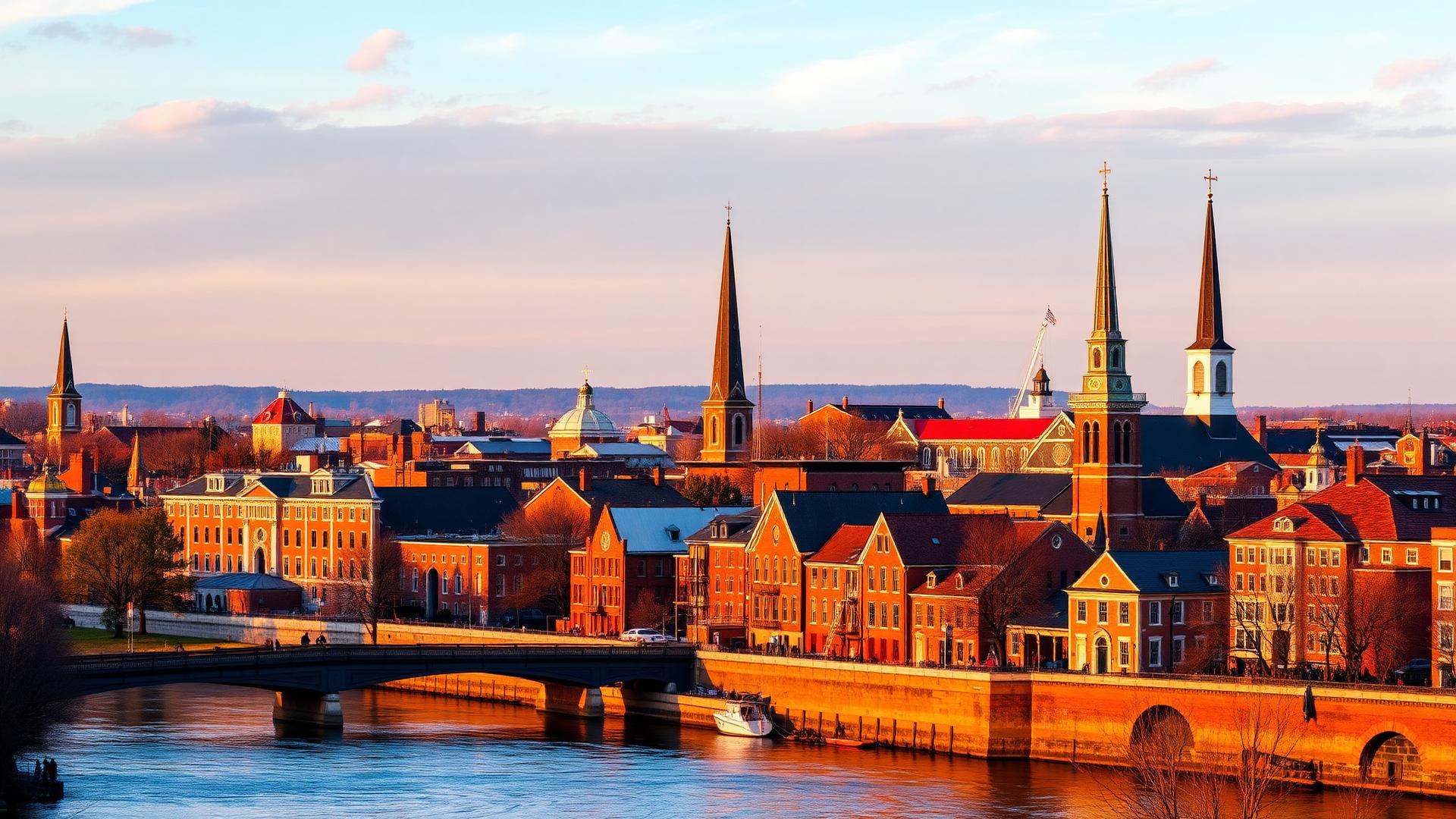
Nestled on the Patapsco River, just southeast of downtown Baltimore, Fell's Point stands as a living testament to America's maritime past. Its cobblestone streets, impeccably preserved 18th and 19th-century row houses, and bustling waterfront tell a story of colonial enterprise, naval daring, and the tenacious spirit of a port city. For over two centuries, this district has played a pivotal role in the nation's history, from its foundational shipbuilding days to its crucial contributions during times of war and its ongoing cultural vibrancy.
Today, Fell's Point is more than just a picturesque historic district; it is a vibrant community where the echoes of its past resonate in every brick and every tide. Its unique character, shaped by immigrants, sailors, and merchants, offers a tangible connection to the forces that built Baltimore and, indeed, the United States. To walk through Fell's Point is to step back in time, to experience the raw, authentic charm of a place where history isn't just displayed, but actively lived.
The Founding and Early Maritime Prowess
Fell's Point owes its name and its initial development to William Fell, an English shipbuilder who arrived in the area in 1726 and established a shipyard. His son, Edward Fell, formally laid out the town in 1763, creating a grid of streets that still largely defines the neighborhood today. The deep waters of the harbor, coupled with abundant timber from the surrounding forests, made Fell's Point an ideal location for shipbuilding, quickly establishing it as a preeminent maritime center in the colonies. Vessels constructed here were renowned for their speed and maneuverability, qualities that would prove invaluable in the coming decades.
By the late 18th century, Fell's Point was a thriving port, a hub of commerce and industry. Its wharves were crowded with ships from around the world, and its streets bustled with merchants, sailors, and craftsmen. The burgeoning shipbuilding industry attracted a diverse population, including free African Americans, Irish, and German immigrants, all contributing to the district's dynamic and cosmopolitan atmosphere. This early period of prosperity laid the groundwork for Fell's Point's significant role in the young nation's formation and defense.
The Era of the Baltimore Clippers and Privateers
The early 19th century brought Fell's Point to international prominence as the birthplace of the legendary Baltimore Clipper. These swift, two-masted schooners, characterized by their sharp bows and raked masts, were designed for speed, making them exceptionally effective as merchant vessels, blockade runners, and, most famously, as privateers during the War of 1812. The expertise of Fell's Point shipbuilders, who continuously refined their designs, gave the American navy a distinct advantage on the seas.
During the War of 1812, with the U.S. Navy still in its infancy, privateers commissioned by the government played a critical role in disrupting British shipping. Many of these privateers hailed from Fell's Point, sailing out from its harbor to capture enemy vessels and inflict substantial economic damage on Great Britain. Their daring exploits and the incredible speed of their ships earned them both admiration and infamy, cementing Fell's Point's reputation as a hotbed of naval enterprise and a vital asset in the defense of American sovereignty. The district's taverns and boarding houses were often filled with these adventurous mariners, adding to the area's vibrant, sometimes rough-and-tumble, character.
The Battle of Baltimore and the Star-Spangled Banner
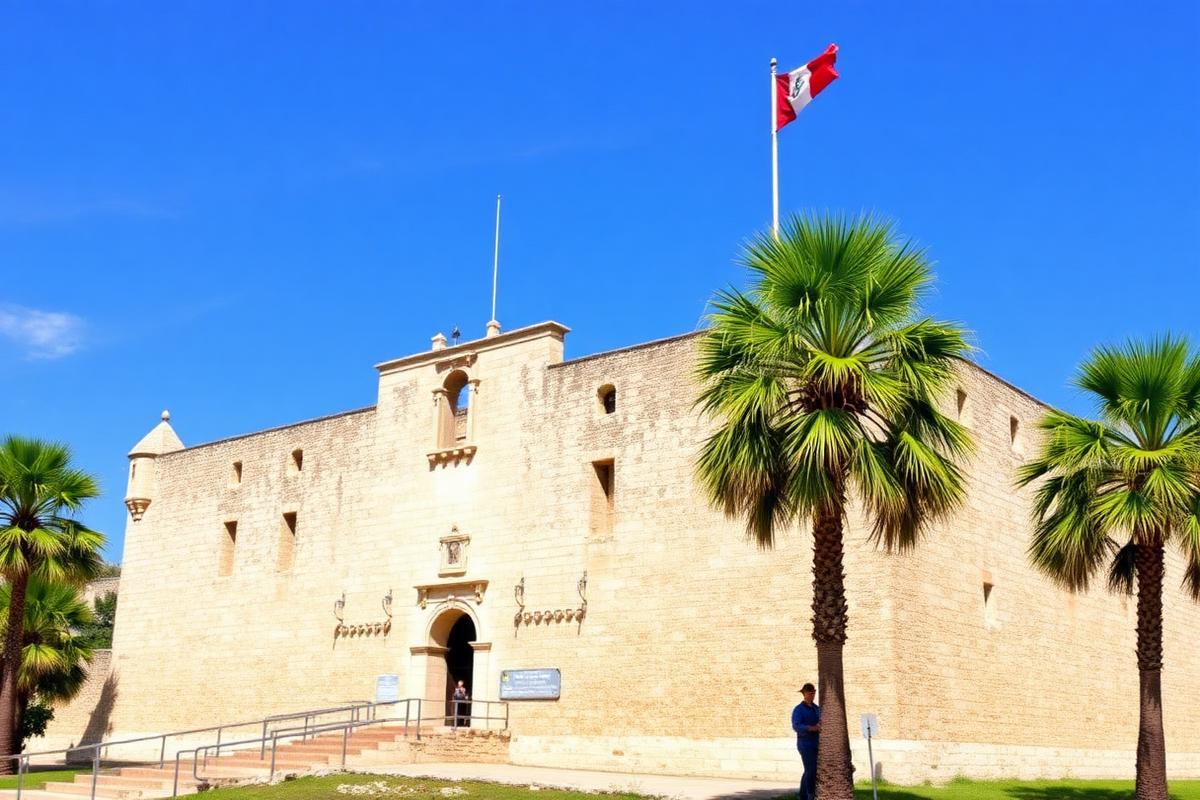
Fell's Point played a direct and crucial role in the defense of Baltimore during the War of 1812. In September 1814, British forces, having burned Washington D.C., turned their attention to Baltimore. The district's strategic location near Fort McHenry, which guarded the entrance to the city's harbor, made it a focal point of the defense. Local residents, including many from Fell's Point, actively participated in building fortifications and preparing for the inevitable British attack.
It was during the intense bombardment of Fort McHenry, witnessed by Francis Scott Key from a truce ship in the Patapsco River, that the inspiration for "The Star-Spangled Banner" was born. While Key watched the battle unfold, the fate of Baltimore, and indeed the young nation, hung in the balance. The successful defense of Fort McHenry, a victory that saved Baltimore from British occupation, was a testament to the resilience and determination of its citizens, many of whom lived and worked in Fell's Point. The flag that proudly waved over Fort McHenry after the battle, inspiring Key's poem, was a symbol of their collective triumph and forever linked Fell's Point to America's national anthem.
Immigration, Industry, and the Turn of the Century
Throughout the 19th and early 20th centuries, Fell's Point continued to be a primary gateway for immigrants arriving in Baltimore. Waves of Irish, German, Polish, and later Greek and Italian immigrants settled in the district, drawn by the availability of work on the docks, in the shipyards, and in the burgeoning industries that sprang up along the waterfront. These diverse communities contributed to the district's rich cultural tapestry, establishing churches, social clubs, and businesses that reflected their heritage.
While shipbuilding eventually declined in the face of larger, steel-hulled vessels, Fell's Point remained an active port, adapting to new forms of maritime commerce. Canneries, factories, and warehouses lined the waterfront, providing employment and sustaining the community. The close-knit nature of the neighborhood, characterized by its distinctive row houses and a strong sense of community, helped preserve its unique identity even as Baltimore evolved into a major industrial city.
Decline, Preservation, and Revitalization
By the mid-20th century, Fell's Point faced significant challenges. Economic shifts, the decline of traditional maritime industries, and the rise of suburbanization led to a period of neglect and urban decay. The proposed construction of an interstate highway, I-95, directly through the heart of Fell's Point in the 1960s threatened to destroy much of its historic fabric. This existential threat, however, galvanized local residents and preservationists. Led by groups like the Society for the Preservation of Federal Hill and Fell's Point (now Preservation Maryland), a fierce battle was waged to save the district.
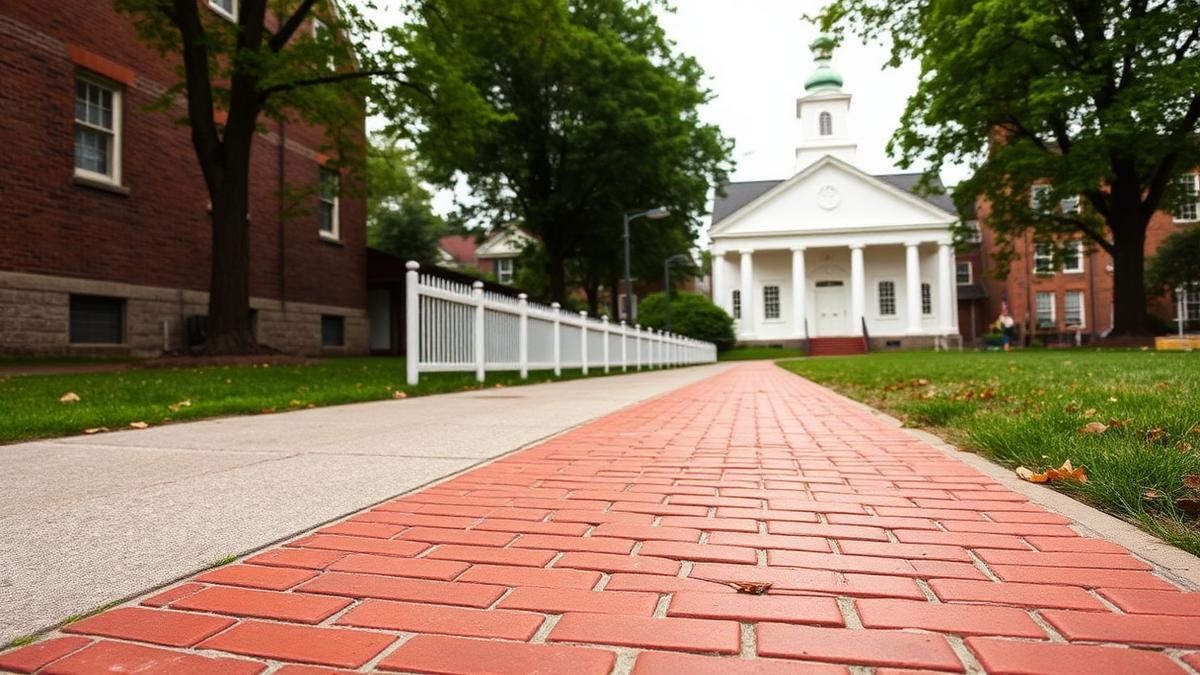
Through sustained advocacy and legal action, the community successfully fought off the highway proposal, ultimately securing Fell's Point's designation on the National Register of Historic Places in 1969. This victory marked a turning point, ushering in an era of revitalization. Historic properties were restored, new businesses emerged, and the district slowly transformed into the vibrant, historically rich neighborhood it is today, a testament to the power of community-led preservation efforts. The cobblestones that once witnessed the march of sailors and the clatter of carts now echo with the footsteps of residents and visitors appreciating its storied past.
Architectural Heritage: Federal, Georgian, and Beyond
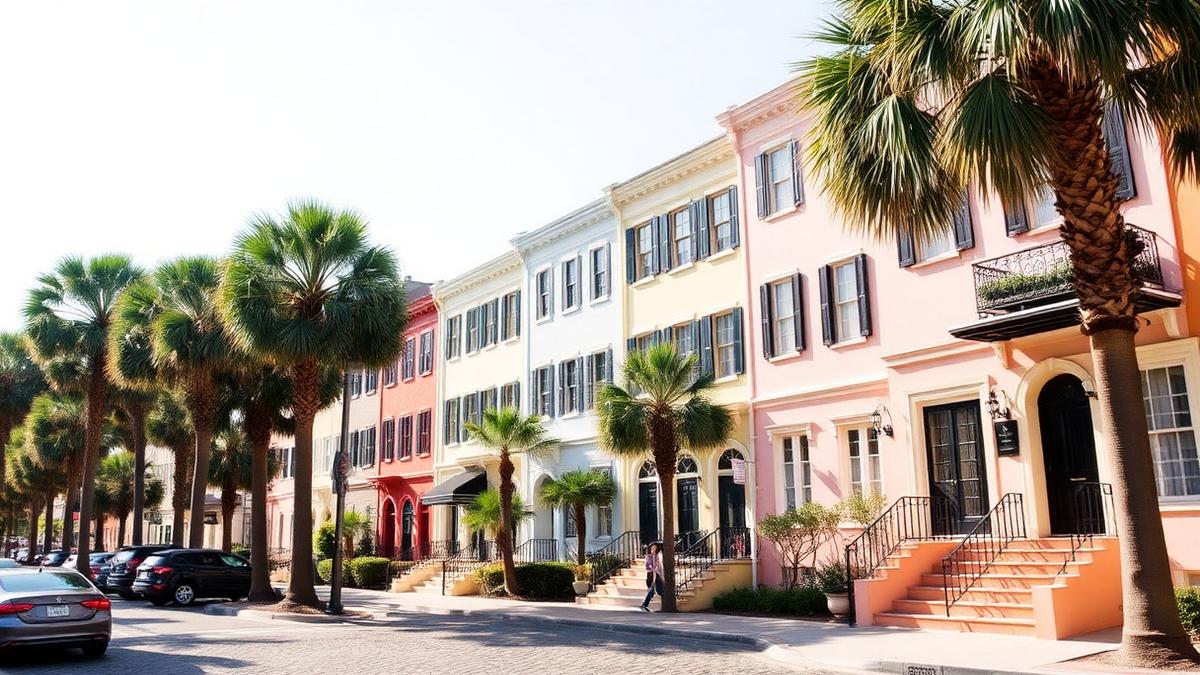
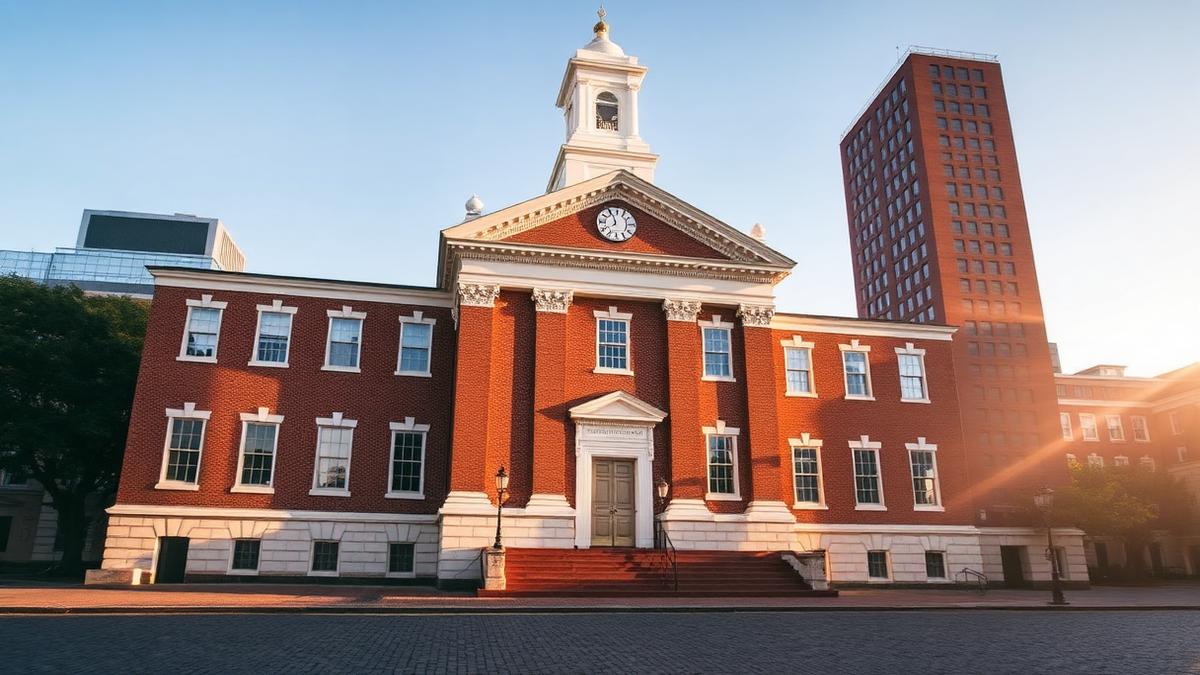
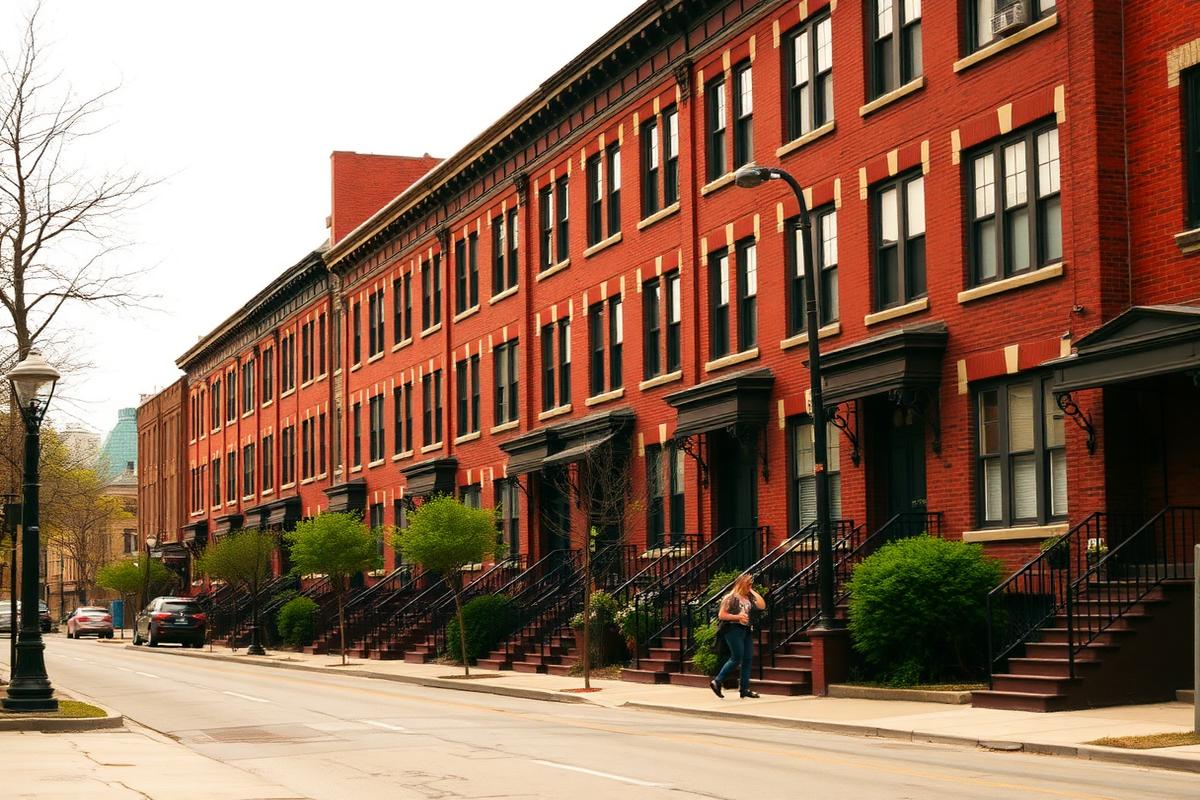
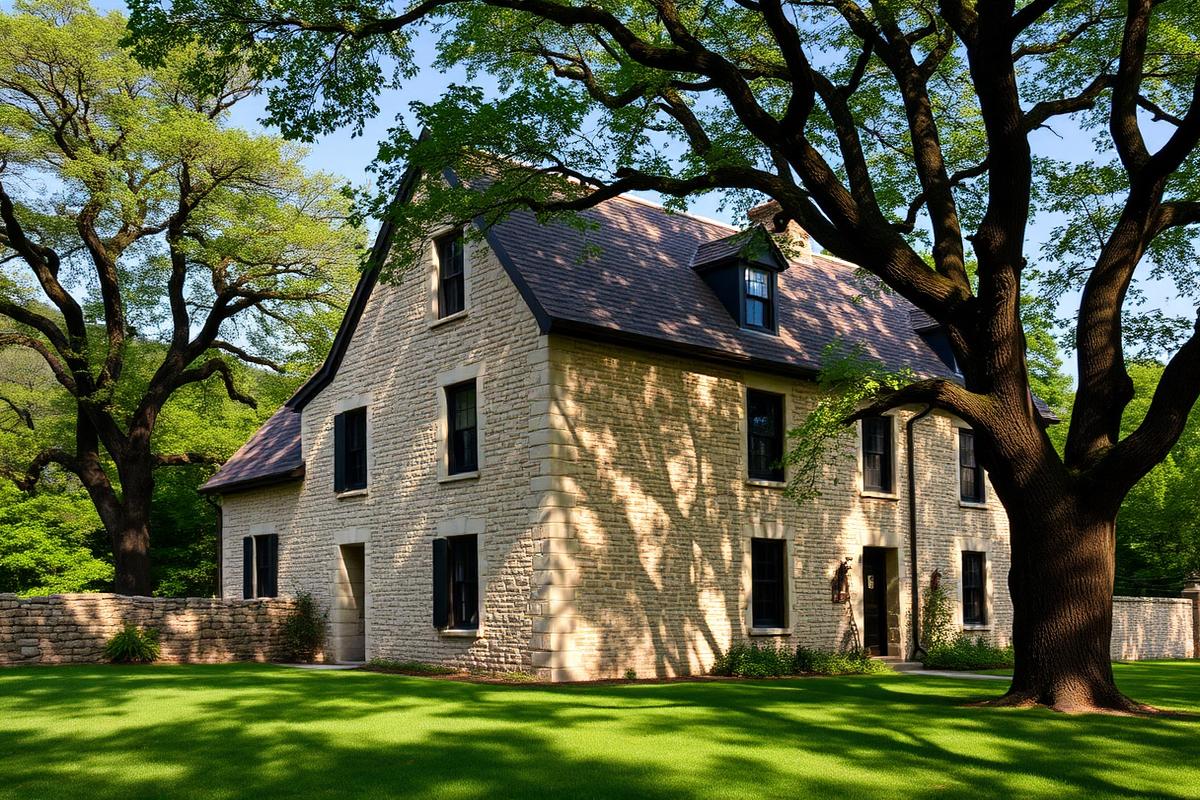
Fell's Point is renowned for its remarkably preserved architectural landscape, offering a tangible journey through centuries of American urban design. The neighborhood boasts one of the largest concentrations of original Federal and Georgian style row houses in the United States. These structures, characterized by their symmetrical facades, brick construction, and detailed cornices, tell a story of the area's prosperity during the 18th and 19th centuries. Beyond these dominant styles, examples of Greek Revival, Italianate, and Victorian architecture can also be found, reflecting subsequent periods of development and changing tastes. This architectural diversity is a key component of Fell's Point's designation as a National Register Historic District.
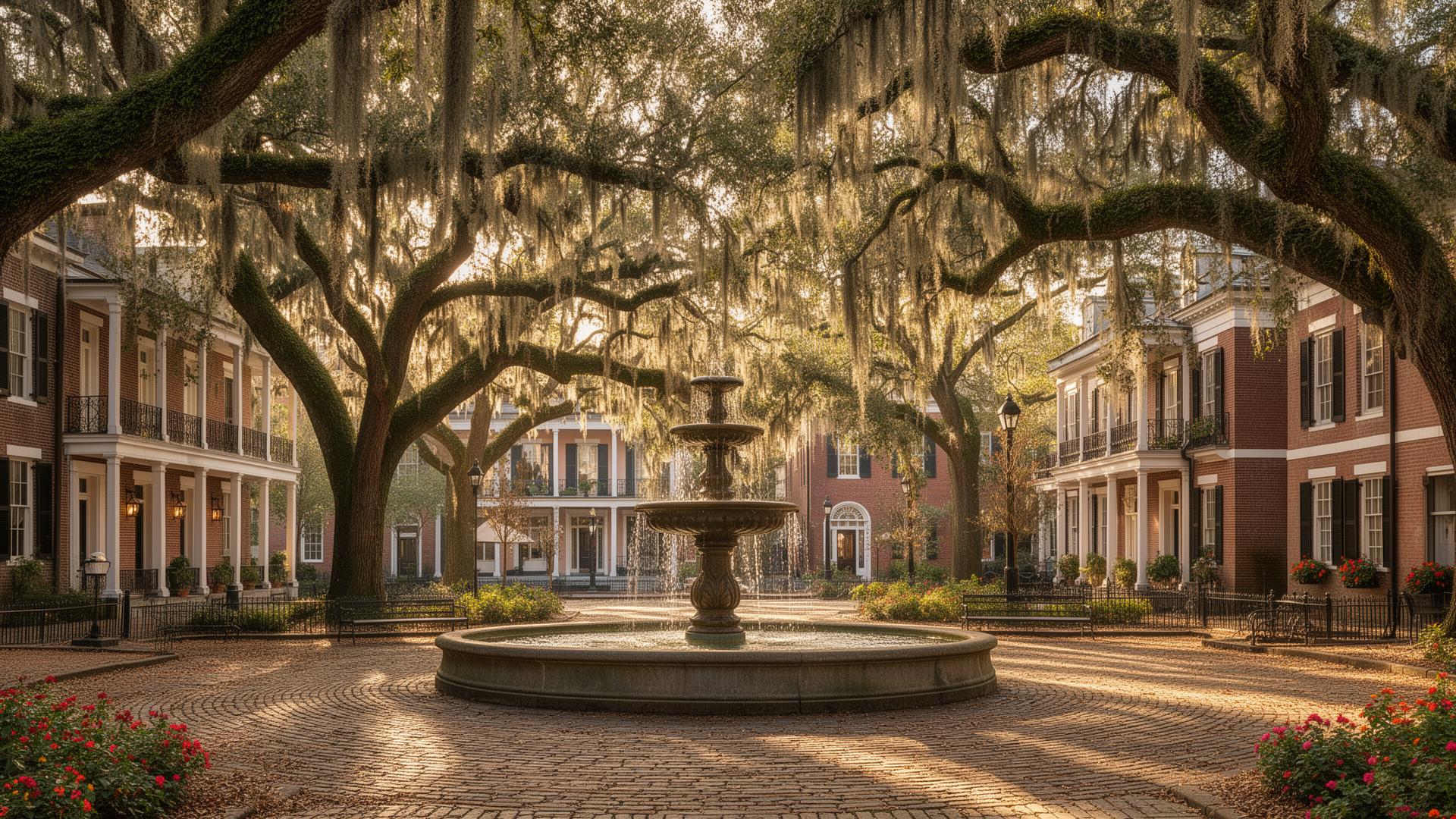
The narrow, cobblestone streets winding through these historic buildings further contribute to the area's unique charm. Many of the homes feature original details such as transom windows, wrought-iron railings, and classic doorways, offering a continuous visual narrative of the lives lived within their walls. This commitment to preserving the built environment has ensured that Fell's Point remains an authentic and evocative historical destination.
Cultural Tapestry: Traditions and Local Legends
Beyond its historical structures, Fell's Point is rich with a vibrant cultural tapestry woven from centuries of diverse populations and maritime life. The neighborhood's identity is deeply intertwined with the stories of sailors, immigrants from across Europe, and local families who have called this waterfront community home for generations. This confluence of cultures fostered a distinctive local character, influencing everything from local cuisine to community traditions and dialect. The area's many taverns, some dating back to the 18th century, have served as enduring social hubs, where stories and legends have been passed down through time.
Local folklore abounds in Fell's Point, with tales of ghost sightings in historic buildings, legends of notorious privateers, and stories of the everyday lives of its working-class residents. These narratives, often blending historical fact with embellishment, contribute to the neighborhood's unique mystique and enduring appeal. The annual traditions and community events that persist today often draw upon this rich cultural heritage, celebrating the enduring spirit of Fell's Point.
Fell's Point Today: A Living Historical Treasure
Today, Fell's Point is one of Baltimore's most beloved and distinctive neighborhoods. Its meticulously preserved 18th and 19th-century architecture, including Federal-style homes and commercial buildings, provides an unparalleled glimpse into early American urban life. The district is home to over 300 buildings listed on the National Register of Historic Places, making it a truly unique collection of historic structures. The waterfront, still active with water taxis and pleasure craft, continues to define its character.
Beyond its architectural heritage, Fell's Point thrives as a cultural and social hub. Its numerous restaurants, taverns – some operating continuously for over two centuries – and boutiques attract both locals and tourists. Maritime traditions are celebrated through events and the lingering presence of seafaring culture. The blend of its rich history, preserved architecture, and lively contemporary atmosphere ensures that Fell's Point remains a vital and dynamic part of Baltimore, continuing to tell its story for generations to come.
Frequently Asked Questions
What is Fell's Point known for historically?+
Fell's Point is historically known for its significant role in shipbuilding, particularly the development of the Baltimore Clipper, and its contributions to American privateering during the War of 1812. It's also famous for its connection to the Battle of Baltimore and the inspiration for "The Star-Spangled Banner".
When was Fell's Point founded?+
Fell's Point was formally laid out and established as a town in 1763 by Edward Fell, though his father, William Fell, had already established a shipyard there in 1726.
How did Fell's Point get its name?+
The neighborhood gets its name from William Fell, an English shipbuilder who settled in the area in 1726, and his son Edward Fell, who subsequently platted the town.
Why is Fell's Point considered historically significant to the War of 1812?+
Fell's Point was a vital base for American privateers who disrupted British shipping during the War of 1812. It was also strategically important during the Battle of Baltimore in September 1814, when British forces attacked Fort McHenry at the entrance to the harbor, inspiring Francis Scott Key to write "The Star-Spangled Banner."
What major threat did Fell's Point face in the 20th century?+
In the 1960s, Fell's Point was threatened by a proposal to construct Interstate 95 directly through the neighborhood. A vigorous preservation movement by local residents successfully prevented the highway's construction, leading to its designation on the National Register of Historic Places.
Sources & Further Reading
Spotted an error? See our corrections policy. Curious about our research? Read our editorial policy and sources.