All ArticlesItineraries

    A Long Weekend on Virginia's Historic Triangle

    W
    Whitebeavers Editorial Team
    July 27, 2026 · 15 min

    Reviewed against our editorial policy and sources.

    A Long Weekend on Virginia's Historic Triangle

    Explore the foundational history of the United States with a long weekend itinerary through Virginia's Historic Triangle.

    From our reporting

    Walking through the reconstructed streets of Colonial Williamsburg on a crisp autumn morning, the faint scent of woodsmoke mingled with the distant ringing of a blacksmith's hammer, instantly transports you. The earthy smell of the Jamestown archeological site, turning up fragments of pottery and glass, makes the lives of the early colonists feel incredibly real and immediate. Standing on the Yorktown battlefield, the wind whipping off the York River, the sheer scale of the decisive siege becomes palpable, almost as if you can hear the distant cannon fire.

    Key Takeaways

    • Jamestown was the first permanent English settlement in North America, established in 1607, and provides insight into early colonial life and interactions with Indigenous peoples.
    • Colonial Williamsburg served as Virginia's capital from 1699-1780, becoming a hub for revolutionary thought and preserving a comprehensive picture of 18th-century society.
    • Yorktown was the site of the decisive 1781 battle where American and French forces secured victory in the American Revolution.
    • The Historic Triangle offers a chronological narrative from early colonization to national independence.
    • Archaeology and living history presentations at all three sites provide immersive and multi-faceted perspectives on American history, including diverse perspectives.

    Virginia’s Historic Triangle, a geographic and historical nexus nestled along the James and York Rivers, offers an unparalleled journey into the formative years of the United States. Comprising Jamestown, Williamsburg, and Yorktown, this region served as the crucible for English colonization, the birthplace of American democracy, and the decisive battleground for independence. A long weekend spent traversing these hallowed grounds provides not just a tour, but an immersive experience into the pivotal events and enduring legacies that continue to shape the nation.

    From the first permanent English settlement to the final victory of the American Revolution, the Historic Triangle presents a chronological narrative of struggle, resilience, and transformation. Visitors can walk in the footsteps of early colonists, revolutionary leaders, and the diverse peoples whose lives intersected at these critical junctures. This itinerary is designed to guide you through the essential sites, offering a deep dive into the history, archaeology, and preservation efforts that bring these monumental stories to life.

    Day 1: Jamestown – The Beginnings of English America

    Our journey begins at Jamestown, the site of the first permanent English settlement in North America, established on May 14, 1607. The early years at Jamestown were fraught with hardship, marked by disease, famine, and strained relations with the Powhatan Confederacy. Yet, it was here that the foundations of what would become the United States were laid, including the introduction of tobacco as a cash crop, which profoundly shaped the colony's economic and social development. The archaeological discoveries at Historic Jamestowne continue to unearth new insights into the lives of the early settlers and the interactions between European and Indigenous cultures.

    A visit to Historic Jamestowne, managed by Preservation Virginia and the National Park Service, allows for exploration of the original 1607 fort site. The Archaearium museum displays thousands of artifacts recovered from ongoing archaeological digs, offering tangible connections to the past. Nearby, Jamestown Settlement, a living history museum, provides a complementary experience with recreated Powhatan Indian villages, three full-sized replica ships (the Susan Constant, Godspeed, and Discovery), and a re-created 1610s colonial fort. These sites together paint a comprehensive picture of the complex challenges and nascent triumphs of America's first English colonists.

    Day 2 Morning: Colonial Williamsburg – A Revolutionary Capital

    Day two shifts our focus to Colonial Williamsburg, the capital of the Virginia Colony from 1699 to 1780. During its tenure as the capital, Williamsburg became a thriving center of political, cultural, and intellectual life, playing a crucial role in the American independence movement. Patriots such as Patrick Henry, Thomas Jefferson, and George Washington frequented its taverns and walked its streets, debating the very principles of liberty and self-governance that would define the new nation. The preserved and reconstructed buildings offer an authentic glimpse into 18th-century life.

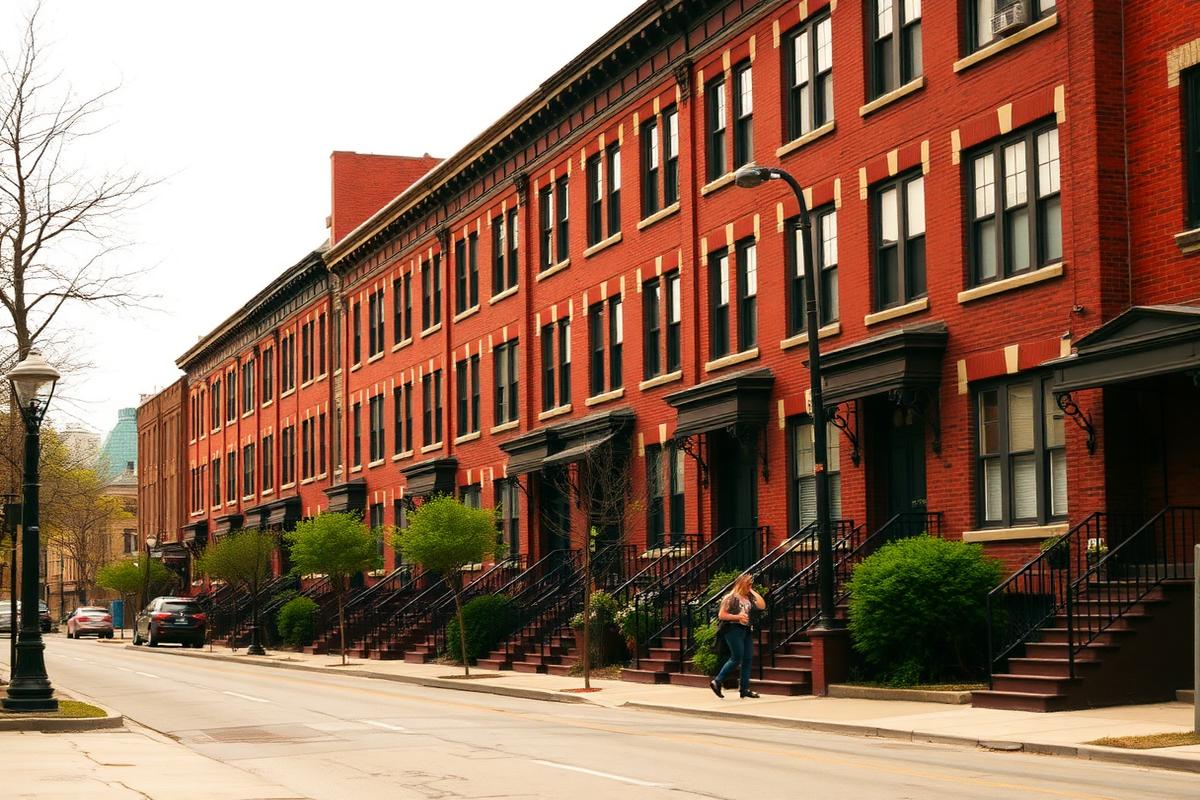
    Colonial Williamsburg Foundation has meticulously restored and reconstructed hundreds of buildings, creating an immersive historical environment. Visitors can explore the Governor's Palace, the Capitol building where revolutionary ideas were first articulated, and numerous trade shops where skilled artisans practice 18th-century crafts. The thoroughfares and public spaces evoke the bustling atmosphere of a colonial capital, inviting contemplation of the era's momentous events and the daily lives of its inhabitants.

    Day 2 Afternoon: Exploring Williamsburg's Lesser-Known Stories

    Beyond the grand narratives of statesmen and rebellion, Colonial Williamsburg also illuminates the diverse social fabric of 18th-century America. The stories of enslaved and free African Americans, women, and various tradespeople are integral to understanding the full scope of colonial society. The foundation has made significant strides in presenting these often-overlooked perspectives, highlighting their contributions and struggles within the colonial framework.

    Experiences such as 'Revolutionary City' presentations and visits to sites like the Bray School, which educated free and enslaved African American children, provide deeper context. The emphasis on interpreting the lives of all residents, not just the elite, offers a more complete and nuanced understanding of the forces at play in a society grappling with profound contradictions between its ideals of liberty and the realities of slavery and social hierarchy. The preserved public spaces and homes allow for a vivid understanding of the varied lives lived within the city's boundaries.

    Day 3 Morning: Yorktown – The End of a Revolution

    The final destination on our historical journey is Yorktown, the site of the decisive battle of the American Revolution. In October 1781, the combined American and French forces, under the command of General George Washington and Comte de Rochambeau, besieged the British army led by General Lord Cornwallis. The subsequent surrender of Cornwallis on October 19, 1781, effectively ended the major fighting of the war and secured American independence. This victory, achieved through remarkable strategic coordination, is a testament to the perseverance of the Continental Army and its allies.

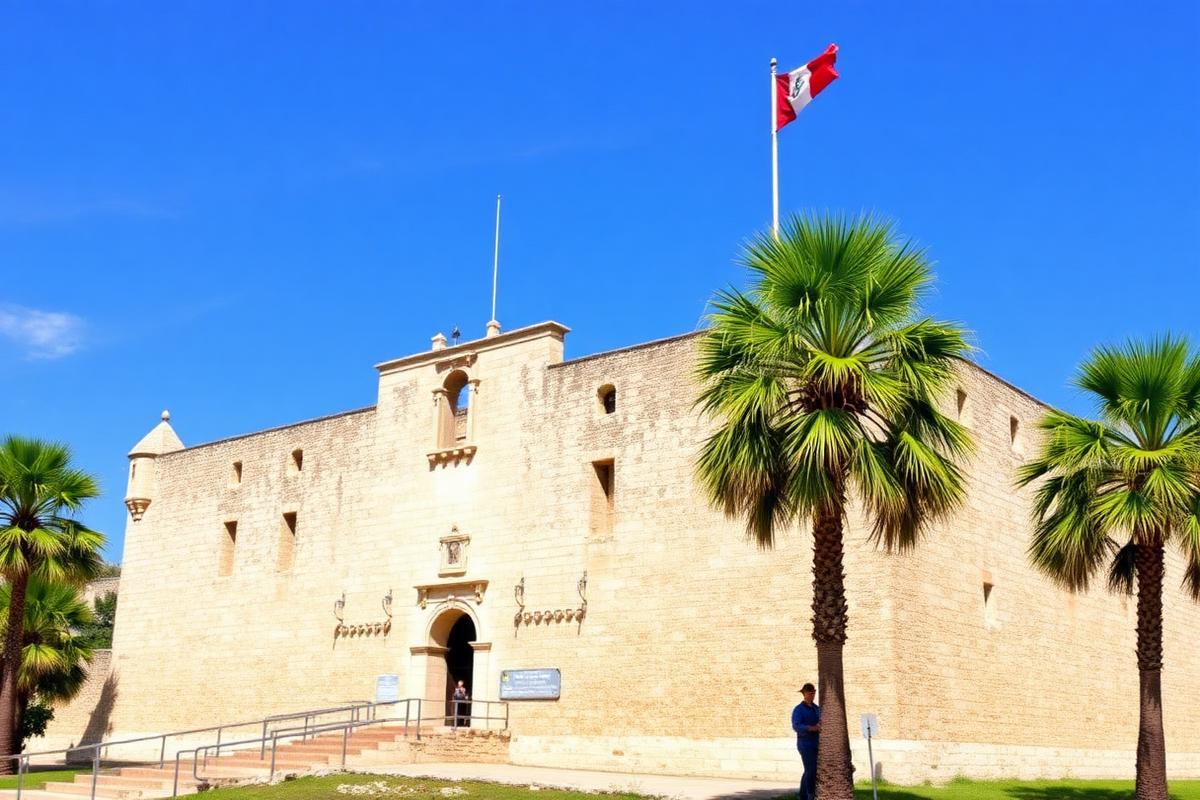
    Yorktown Battlefield, part of Colonial National Historical Park, preserves the battleground where these pivotal events unfolded. Visitors can drive the battlefield tour roads, observing the American and French siege lines, the British earthworks, and the surrender field. The Yorktown Victory Center, now part of the American Revolution Museum at Yorktown, complements the battlefield experience with extensive indoor galleries, outdoor living history exhibits, and a re-created Continental Army encampment and 1780s farm, offering a broader understanding of the war and its aftermath.

    Day 3 Afternoon: Reflecting on Yorktown's Legacy

    The impact of the Battle of Yorktown extended far beyond the immediate surrender. It signaled a new era for the fledgling United States, cementing its place as an independent nation and inspiring democratic movements globally. The legacy of this victory is not just in military triumph but in the establishment of a republic founded on revolutionary ideals. The preservation efforts at Yorktown ensure that this critical moment in American history remains accessible and comprehensible for future generations.

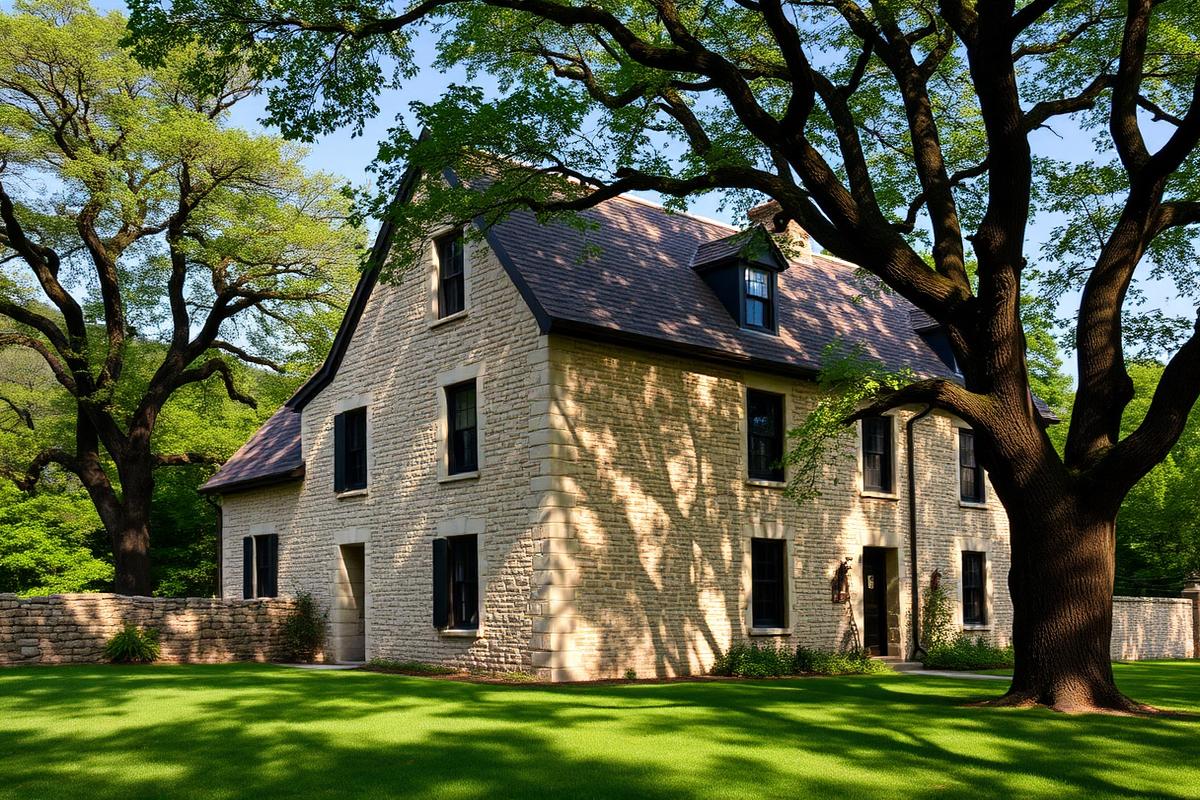
    Exploring the historic town of Yorktown itself, with its colonial buildings and waterfront, provides further insight into the period. The Moore House, where the Articles of Capitulation were drafted, and the Nelson House, home of a signer of the Declaration of Independence, are examples of structures that witnessed the dramatic conclusion of the war. These sites allow visitors to connect with the personal stories and political machinations that shaped the nation’s birth.

    Planning Your Historic Triangle Visit: Tips and Logistics

    To make the most of your trip to Virginia's Historic Triangle, consider purchasing a multi-day pass, which often provides access to all three main attractions and can offer savings. Jamestown Settlement and Yorktown Victory Center are administered by the Jamestown-Yorktown Foundation, while Colonial Williamsburg is a separate entity. Each site offers unique experiences, from living history museums with costumed interpreters to archaeological sites and meticulously preserved buildings.

    Transportation between the sites is relatively straightforward. While a car offers the most flexibility, some shuttle services are available, particularly connecting Colonial Williamsburg with Jamestown and Yorktown. Be sure to check operating hours for each attraction, as they can vary seasonally. Early mornings are often best for experiencing the sites with fewer crowds and for capturing photographs in the soft light.

    Beyond the Battlefield: The Natural Beauty of the Region

    While the primary draw of the Historic Triangle is its profound historical significance, the region also boasts considerable natural beauty worth exploring. The Colonial Parkway, a scenic byway connecting Jamestown, Williamsburg, and Yorktown, offers stunning views of the James and York Rivers and passes through diverse ecosystems. This 23-mile road is designed to be free of commercial intrusion, providing a tranquil journey through marshlands, forests, and waterways.

    Visitors can also enjoy walking and biking trails at various points along the Parkway and within the parks surrounding the historic sites. These offer opportunities for birdwatching and observing local wildlife in their natural habitats, providing a peaceful contrast to the often intense historical narratives.

    Beyond the Triangle: A Continuum of History

    While Jamestown, Williamsburg, and Yorktown form the core of Virginia's Historic Triangle, the region's historical significance extends further. The rivers that connect these sites, particularly the James River, were vital arteries for commerce, exploration, and conflict throughout colonial and early American history. The land itself holds stories of Indigenous communities, European settlers, and the complex interplay of cultures that defined early America.

    The enduring appeal of the Historic Triangle lies in its ability to present a cohesive yet multifaceted narrative of American beginnings. It is a place where archaeological discovery, meticulous historical research, and immersive interpretation converge to offer a profound educational and reflective experience. A long weekend here is more than a trip; it is an active engagement with the foundational moments of a nation.

    Frequently Asked Questions

    What significant event occurred at Jamestown in 1619?+

    In 1619, two pivotal events occurred at Jamestown: the first representative legislative assembly in English North America convened, and the first documented Africans arrived in English Virginia, marking the beginning of involuntary servitude in the colony.

    Which historical figure was known for his 'Give me liberty or give me death!' speech in Williamsburg?+

    Patrick Henry delivered his famous 'Give me liberty or give me death!' speech at St. John's Church in Richmond, Virginia, not directly in Williamsburg. However, he was a prominent figure in Williamsburg's political scene and frequently debated revolutionary ideas in the House of Burgesses located there.

    What role did the French play in the Battle of Yorktown?+

    The French played a crucial role in the Battle of Yorktown. The French army, under Comte de Rochambeau, joined American forces, and the French navy, under Admiral de Grasse, established a naval blockade, preventing British reinforcement and escape, which was essential for the American victory.

    Are the sites in the Historic Triangle managed by the same organization?+

    No, the sites in the Historic Triangle are managed by a combination of organizations. Historic Jamestowne is a partnership between Preservation Virginia and the National Park Service. Jamestown Settlement and the American Revolution Museum at Yorktown are operated by the Jamestown-Yorktown Foundation (a state agency). Colonial Williamsburg is managed by the Colonial Williamsburg Foundation (a private, non-profit educational institution). Yorktown Battlefield is part of the Colonial National Historical Park, managed by the National Park Service.

    Sources & Further Reading

    Spotted an error? See our corrections policy. Curious about our research? Read our editorial policy and sources.