10 Things You Must Do in Charleston
Reviewed against our editorial policy and sources.
Discover unmissable experiences in the heart of Southern charm — from cobblestone streets to plantation tours.
From our reporting
I recently savored Charleston’s lowcountry boil and found the city’s historic charm as vibrant as ever, especially along Rainbow Row in 2024.
Key Takeaways
- Explore Charleston's rich history through its iconic architecture and historic sites.
- Savor the unique flavors of Lowcountry cuisine, from shrimp and grits to she-crab soup.
- Discover beautiful natural landscapes and waterfront views unique to the South Carolina coast.
- Experience the city's vibrant arts scene, charming boutiques, and bustling markets.
- Understand the complex history of Charleston, including its role in the Civil War and the Gullah Geechee culture.
Imagine cobblestone streets whispering tales of eras gone by, the scent of jasmine mingling with salty sea air, and the gentle clip-clop of horse-drawn carriages echoing through stately avenues lined with antebellum mansions. This is Charleston, South Carolina, a city that doesn't just invite you to visit, but encourages you to step back in time and immerse yourself in its rich, complex tapestry of history and Southern charm. For the discerning traveler seeking more than just a destination, Charleston offers an experience – a journey into the soul of the Lowcountry, where every corner turned reveals another layer of its captivating past.
From the echoes of Revolutionary War heroes and Civil War struggles to the vibrant pulse of its culinary evolution, Charleston stands as a testament to resilience, beauty, and an enduring grace. As you wander its historic districts, explore its grand plantations, and savor its distinctive flavors, you'll find yourself not merely observing, but participating in a living history. Prepare to be enchanted, educated, and utterly captivated by these essential experiences we've curated, ensuring your visit to the Holy City is as rich and rewarding as its storied legacy.
Wander the Historic French Quarter and Battery
Your Charleston adventure truly begins with a leisurely stroll through its most iconic districts: the French Quarter and the Battery. While often lumped together, each possesses a distinct character. The French Quarter, with its narrow, lamp-lit alleys and pastel-hued buildings, feels like a European city segment transplanted to the South. Here, you'll discover the striking St. Philip's Church, its steeple piercing the skyline, and the Dock Street Theatre, America's first purpose-built theater, dating back to 1736. Imagine the grand performances and social gatherings that once took place within its elegant walls. Duck into art galleries showcasing local talent or browse the charming boutiques that line centuries-old streets.
As you emerge from the labyrinthine charm of the French Quarter, the expansive grandeur of the Battery awaits. This iconic promenade, stretching along the city’s southernmost tip, offers breathtaking views of Charleston Harbor and Fort Sumter, where the first shots of the Civil War were fired in April 1861. Lined with magnificent antebellum mansions, their piazzas facing the cooling breezes off the water, the Battery provides a visceral sense of Charleston's aristocratic past. Take a moment to sit on one of the benches, feel the sea spray, and absorb the panorama of history unfolding before your eyes, a place where generations have gathered to witness the comings and goings from this pivotal port city.
These areas are best explored on foot, allowing you to appreciate the intricate details of the ironwork, the vivid colors of the "Charleston single" houses, and the quiet dignity of the city's architectural heritage. Consider a guided walking tour to gain deeper insights into the stories behind the façades, learning about the prominent families, pivotal events, and enduring legacies that shaped this remarkable urban landscape. The experience is not just about seeing, but about feeling the palpable sense of history that permeates every brick and boulevard.
Immerse Yourself in Colonial History at Boone Hall Plantation
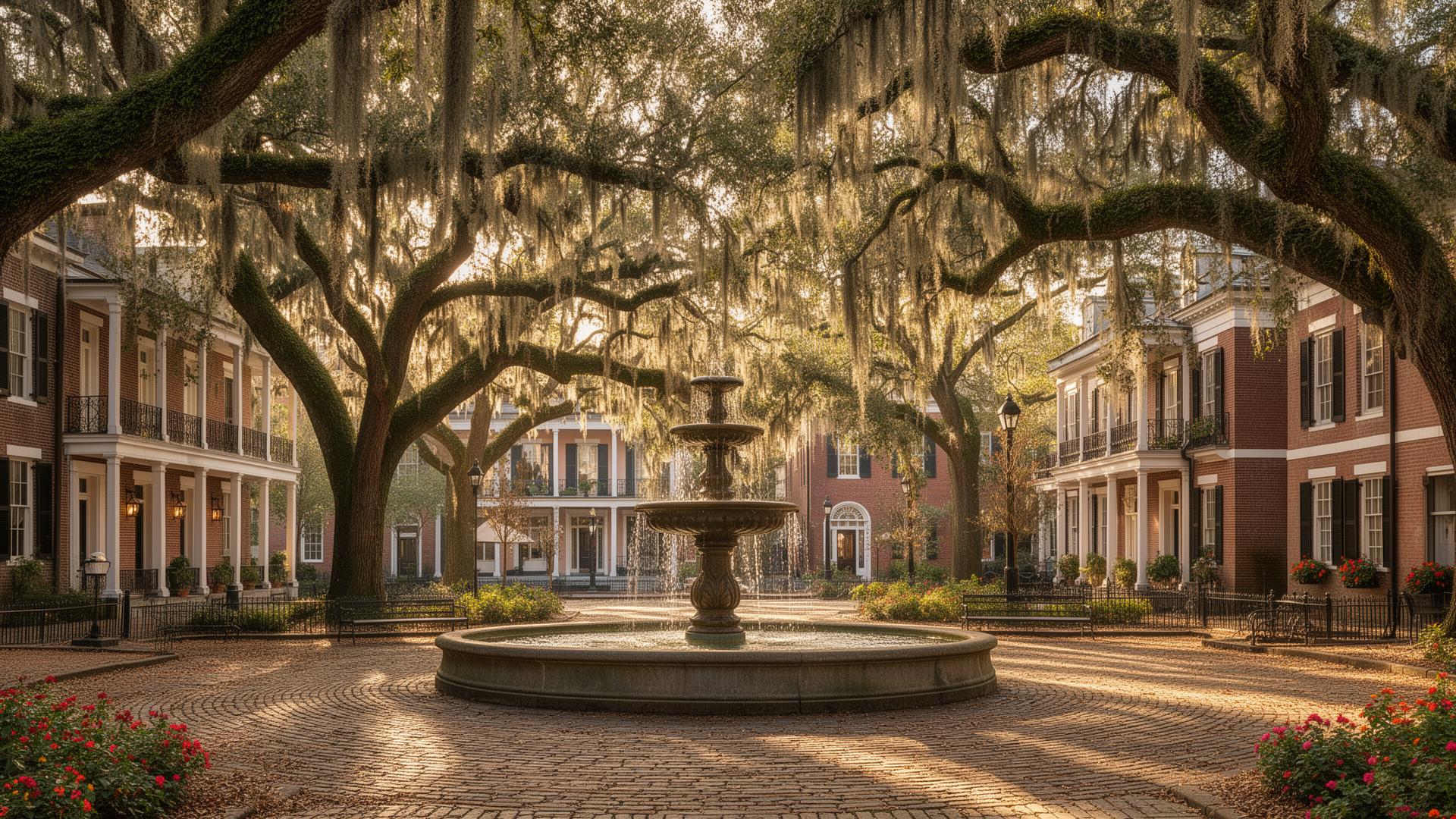
No visit to Charleston would be complete without witnessing the grandeur and complexities of a Lowcountry plantation, and Boone Hall Plantation stands as one of the most magnificent and historically significant examples. Established in 1681 by Major John Boone, it is one of America's oldest working plantations, still cultivating crops such as pecans and strawberries. What truly sets Boone Hall apart is its Avenue of Oaks, a breathtaking half-mile path flanked by 270-year-old live oak trees, their branches dripping with Spanish moss, which creates an unforgettable entryway to the main house.
While the current mansion dates to 1935, built on the foundations of earlier structures, the preserved Slave Street offers a poignant and critical window into the lives of the enslaved people who formed the backbone of the plantation's economy. Restored original slave cabins, dating from 1790 to 1810, house exhibits and presentations that vividly recount the daily lives, struggles, and enduring Gullah culture of the African Americans who toiled here. This vital interpretive experience ensures that the difficult, yet essential, chapters of American history are not forgotten, but thoughtfully examined. You will also have the opportunity to explore the historical gardens, dating to the late 17th century, and learn about the intricate agricultural practices that sustained such estates over centuries. The narrative at Boone Hall is carefully balanced, celebrating its natural beauty and historical splendor while confronting the uncomfortable truths of its past.
Be sure to allow at least three to four hours for your visit to fully appreciate all that Boone Hall offers. Engage with the Gullah culture presentation, take the tractor tour of the property, and spend time reflecting in the quiet solemnity of Slave Street. It is an experience that is both beautiful and profoundly educational, providing a nuanced perspective on the intricate social and economic structures that defined the South for generations. Remember, the history of these plantations is multi-faceted, and engaging with all aspects – the grandeur, the harsh realities, and the lingering cultural impact – is essential for a complete understanding.
Savor the Flavors of Lowcountry Cuisine
Charleston's culinary scene is as celebrated as its history, offering a vibrant fusion of traditional Southern comfort and innovative, contemporary techniques. Lowcountry cuisine, deeply rooted in African, Caribbean, and European influences, emphasizes fresh, local ingredients, particularly seafood from the surrounding marshes and ocean. Prepare your palate for dishes like shrimp and grits, she-crab soup, oyster roasts, and Frogmore Stew (a flavorful mix of shrimp, sausage, corn, and potatoes). Dining here is not just about eating; it's a cultural experience, a journey through centuries of culinary evolution.
For a truly memorable breakfast or brunch, consider Callie's Hot Little Biscuit, renowned for its delectable, fluffy biscuits, or Hominy Grill, a quintessential Lowcountry diner that has served up classic dishes since 1996 (though check for current operating status, as beloved institutions can sometimes change). For dinner, upscale options like Husk, led by Chef John Currence, redefine Southern cuisine with intensely local ingredients, changing its menu daily to reflect what's freshest from regional farms and purveyors. Slightly more casual, but equally authentic, restaurants like FIG and The Ordinary offer exceptional seafood and creative takes on traditional flavors, cementing Charleston's reputation as a foodie paradise.
Don't shy away from exploring the city's burgeoning craft cocktail scene either, where mixologists often incorporate local botanicals and unique ingredients inspired by regional traditions. From fine dining establishments to casual cafes and lively seafood shacks, Charleston offers a gastronomic journey that is as diverse as its history. A reservation is often recommended, especially for popular dinner spots, as Charleston's culinary reputation draws enthusiastic gourmands from around the globe.
Explore the Charm of Rainbow Row
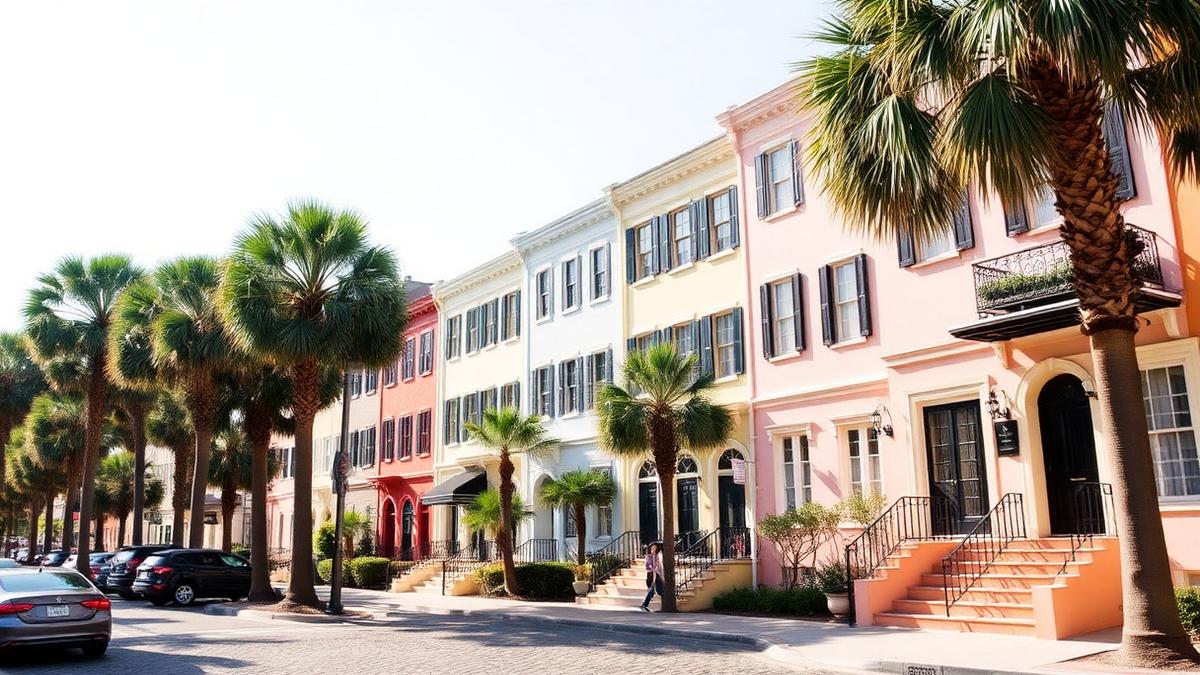
No photographic journey through Charleston is complete without a visit to Rainbow Row, one of the city's most picturesque and photographed landmarks. Located on East Bay Street, this iconic stretch consists of thirteen brightly colored Georgian-style houses, spanning from 79 to 107 East Bay Street. Their vibrant pastel hues – pinks, blues, yellows, and greens – create a striking contrast against the often-azure sky and the deep green of the surrounding foliage, a true visual feast. The row's current appearance dates from the 1930s and 1940s, when a group of women, including Dorothy Porcher Legge, worked to restore a dilapidated section of the waterfront after the economic downturn. Their efforts to paint the houses in lively colors helped revive the area and set a charming precedent that continues to this day.
Historically, the buildings along Rainbow Row were mercantile stores at street level and residences upstairs, directly facing the bustling wharves of Charleston Harbor. The vibrant colors are said to be a practical choice by some, helping drunken sailors find their way home, or perhaps simply a stylish nod to Caribbean traditions. Regardless of origin, the effect is undeniably cheerful and historically significant, representing a pivotal time in Charleston's preservation movement. Today, these beautiful homes are private residences, so while you can't step inside, the exterior view alone is worth the trip, offering endless opportunities for stunning photographs and a palpable sense of the city's enduring charm.
Plan your visit for early morning or late afternoon to capture the best light and avoid the midday crowds. A gentle stroll past Rainbow Row offers a picturesque glimpse into Charleston's past and present, embodying its commitment to preserving its architectural heritage while embracing a distinct aesthetic flair. It's a reminder that history isn't always monochrome; sometimes, it's painted in the most delightful shades.
Uncover Stories at Magnolia Plantation and Gardens
While Boone Hall offers a powerful look into plantation life, Magnolia Plantation and Gardens provides a complementary and equally essential experience, renowned for its exquisite gardens and its unique approach to interpreting its history. Established in 1676 by the Drayton family, Magnolia is the oldest public garden in America and the oldest continually inhabited family estate in South Carolina. Unlike many other plantations that feature symmetrical, formal gardens, Magnolia boasts a romantic, informal style, designed to mimic nature. Its vibrant azaleas and camellias, among other flora, create a kaleidoscope of color, especially in spring, making it a perennial favorite for horticulturists and casual visitors alike. Audubon himself reportedly drew inspiration from the natural beauty found within these grounds.
Beyond its horticultural splendor, Magnolia Plantation also offers a candid and unflinching look at the lives of enslaved people through its "From Slavery to Freedom" tour. This tour, conducted in original cabins, educates visitors about the Gullah community's contributions and resilience, tracing their journey from the era of enslavement through emancipation and into the 20th century. What truly distinguishes Magnolia is its concerted effort to directly involve descendants of the enslaved community in sharing their ancestral stories, offering a deeply personal and authentic perspective that is both illuminating and moving. This commitment to a diverse historical narrative makes it a powerful educational experience.
The Drayton family's enduring presence and their willingness to share the complexities of their family's past, along with the beauty of their land, create an exceptionally rich experience. You can also explore the main house, take a nature train ride through the wetlands, or enjoy a boat tour of the Ashley River, where you might spot alligators and various bird species. Allow ample time – at least half a day – to fully explore the extensive grounds and participate in the various tours. Magnolia offers a profound blend of natural beauty and historical introspection, perfect for those who seek to understand the multifaceted heritage of the Lowcountry.
Step Onto the Decks of the USS Yorktown at Patriots Point
For those with an appreciation for military history and American ingenuity, a visit to Patriots Point Naval & Maritime Museum is an absolute must. Docked in Charleston Harbor in Mount Pleasant, just a short drive from downtown, this impressive museum is home to the legendary USS Yorktown (CV-10), an Essex-class aircraft carrier that earned 11 battle stars in World War II and later served in the Vietnam War. Stepping aboard is like stepping back in time, allowing you to walk the flight deck where planes once launched and landed, explore the vast hanger bay, and navigate the intricate corridors of the ship that served as a floating city for thousands of sailors. The sheer scale of the vessel is awe-inspiring, and the exhibits meticulously detail the lives of those who served on board and the pivotal moments of its operational history.
Beyond the USS Yorktown, Patriots Point also features the USS Laffey (DD-724), a decorated World War II destroyer known as "The Ship That Would Not Die" for its incredible survival during a kamikaze attack off Okinawa. You can descend into its engine rooms and explore its formidable armaments, gaining a vivid understanding of naval warfare. Additionally, the museum houses a Cold War Submarine Memorial, featuring the USS Clamagore (SS-343), a GUPPY III submarine, allowing visitors to experience the claustrophobic yet ingenious environment of underwater Cold War espionage, which ceased operations in 1975. This allows for a comprehensive look at American naval power from the 1940s through the late 20th century.
Plan for at least three to four hours to fully explore all three vessels and the various exhibits, including the Vietnam Experience, an immersive display that transports visitors to a brown water river base. Patriots Point is not just a collection of ships; it's a living museum, offering a powerful testament to American courage, sacrifice, and technological prowess. It provides a unique perspective on military history that complements the land-based narratives of Charleston's past, reminding us of the strategic importance of this coastal city throughout various conflicts.
Final Word
Charleston is a city that lingers in the heart long after you've departed its charming avenues. Its blend of historic grandeur, poignant narratives, natural beauty, and vibrant culture creates an experience that is both deeply educational and profoundly enjoyable. From the solemn echoes of its storied past to the delightful flavors of its modern culinary scene, every facet of the Holy City invites thoughtful exploration.
As you prepare to leave, carrying with you memories of cobblestone streets, majestic live oaks, and the warm hospitality of the Lowcountry, you'll understand why Charleston holds such an esteemed place in the American imagination. It’s more than just a destination; it's a journey into the soul of the South, a place that continually reshapes our understanding of resilience, beauty, and the enduring power of history. May your visit be filled with discovery, enchantment, and the kind of unforgettable moments only Charleston can provide.
Frequently Asked Questions
What are the must-see historical sites in Charleston for a first-time visitor?+
First-time visitors should prioritize Fort Sumter National Monument, the Historic Charleston City Market, and a stroll through the Battery and Rainbow Row to experience the city's unique history and architecture.
Where can I find authentic Lowcountry cuisine in Charleston?+
For authentic Lowcountry cuisine, consider restaurants in the historic district. Many offer classic dishes like shrimp and grits, she-crab soup, and local seafood catches, reflecting the region's culinary heritage.
What are the best outdoor activities or natural attractions around Charleston?+
Outdoor enthusiasts can enjoy visiting Folly Beach, kayaking through salt marshes, or exploring the gardens at magnificient former plantations like Boone Hall Plantation. The city offers numerous parks and waterfront views.
Are there guided tours available to learn about Charleston's history?+
Yes, Charleston offers a variety of guided tours including walking tours of the historic district, carriage tours, and harbor tours to Fort Sumter. These tours provide in-depth historical context and local insights.
What is the best way to experience Gullah Geechee culture in Charleston?+
To experience Gullah Geechee culture, seek out guided tours focused on Gullah history, visit specific cultural centers, or explore sites on nearby Wadmalaw Island. Support local Gullah artisans and storytellers.
Sources & Further Reading
Spotted an error? See our corrections policy. Curious about our research? Read our editorial policy and sources.